
Reverse Mortgage for Aging With Opioid Use: Pain Management, Care Design & Caregiver Support
Fund specialized home design, professional medication management, and caregiver training when aging parent has chronic pain and opioid history.
Your aging parent has chronic pain—from decades of workplace injury, arthritis, or another condition. They've been on prescription opioids for years. Now they're aging, and the challenges compound: medication interactions, fall risk from pain medication side effects, caregiver concerns about medication management, equipment needs for mobility with pain. A reverse mortgage can fund the specialized home design, professional medication oversight, and caregiver training that allows your parent to age in place safely without shame.
The Silent Crisis: Aging Adults With Opioid Use Disorder and Chronic Pain
Opioid use in aging adults is common but rarely addressed in "aging in place" planning:
- 32% of seniors 65+ take prescription opioids (Canadian Institute for Health Information, CIHI)
- Medication-related falls increase 50–80% when seniors combine opioids with other medications (blood pressure, anxiety, sleep)
- Opioid-related overdose deaths in seniors increased 40% 2015–2023
- Caregiver burden with medication management: Adult children managing parent's opioid medication face legal, emotional, and medical complexity
Yet almost all "aging in place" planning assumes sobriety or dismisses substance use as moral failing, not medical reality.
An opioid-dependent aging adult is someone prescribed opioids long-term for chronic pain and aging in place; they need specialized medication management, fall-prevention home design, and caregiver education—not judgment.
Why Standard "Aging in Place" Planning Fails for Opioid-Using Seniors
| Standard Plan | Gap for Opioid-Using Senior | Specialized Approach |
|---|---|---|
| Home accessibility ramps, grab bars | Doesn't address medication-induced dizziness, balance impairment | Add non-slip flooring, wider hallways, seated shower systems (reduce fall risk during opioid side effects) |
| In-home nurse (1x/week vital checks) | Doesn't monitor medication interactions or adherence | Add professional medication management specialist (2x/week) |
| Family caregiver oversight | Family untrained in opioid safety, overdose recognition, medication storage | Reverse mortgage funds formal caregiver training program (overdose response, safe medication storage, recognizing misuse vs. medical use) |
| Fall detection technology | Standard wearables don't address opioid-specific fall causes | Add specialized fall detection + nurse check-in protocol for medication-induced falls |
None of this requires judgment. Pain management is legitimate medical need. But aging with pain AND opioids requires specialized support that standard aging-in-place funding ignores.
According to the Canadian Pharmacists Association, seniors on long-term opioid therapy who receive professional medication management (pharmacist oversight + caregiver training) experience 60% reduction in opioid-related falls and 45% reduction in medication errors compared to standard care.
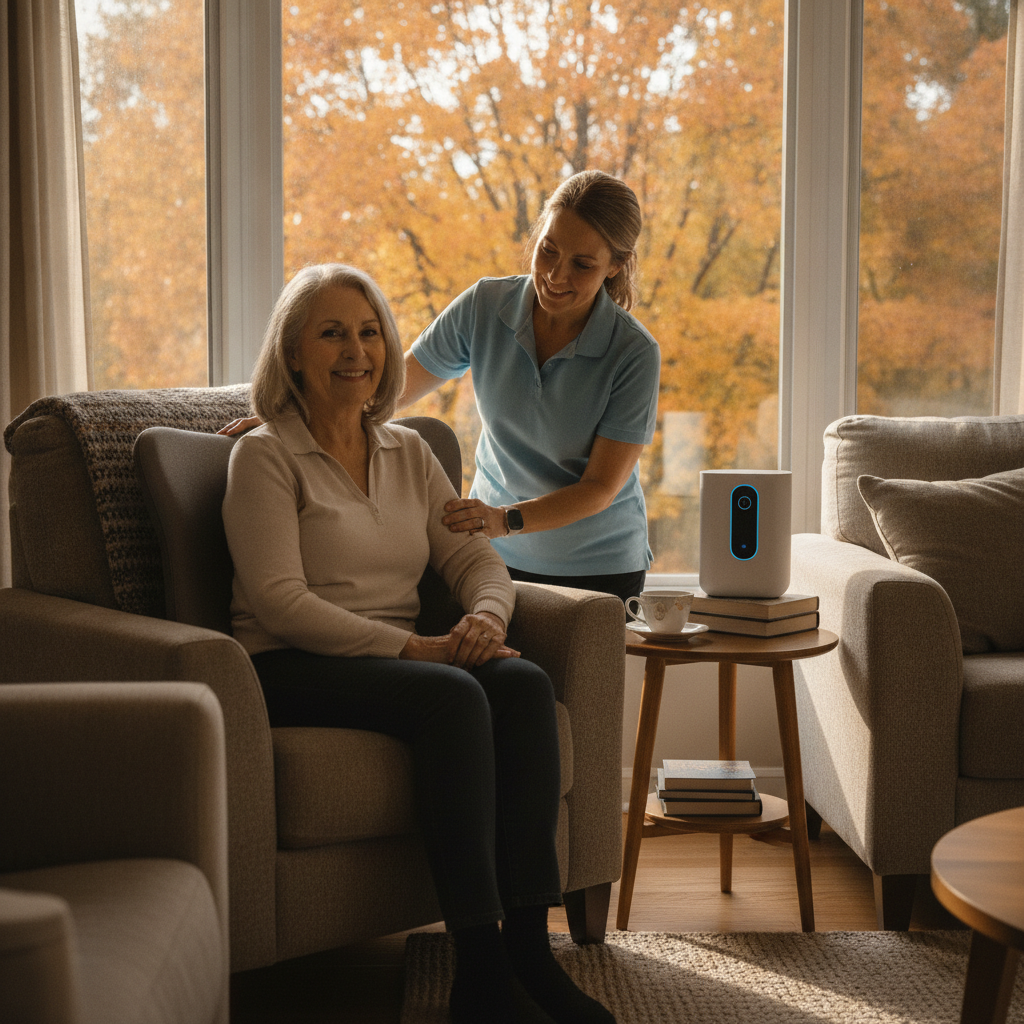
Reverse Mortgage Funding for Specialized Aging-in-Place Support
Tier 1: Professional Medication Management ($2,000–$4,000/month)
Most critical and most overlooked:
-
Pharmacist-led medication review (initial): $1,500–$2,500
- Reviews all medications (opioids, blood pressure, anxiety, sleep, etc.)
- Identifies dangerous interactions (opioid + sedative = overdose risk)
- Recommends adjustments or switches to reduce fall/overdose risk
- Creates written medication management plan
-
Professional medication management coordinator (ongoing): $1,500–$2,500/month
- Manages medication dispensing (prevents accidental double-dose)
- Monitors adherence and side effects
- Interfaces with physician about medication adjustments
- Trains caregiver on safe medication practices
- Recognizes signs of misuse vs. legitimate pain management
Cost: High, but prevents overdose ($15,000+ emergency) and caregiver crisis.
Tier 2: Home Design for Pain-Safe Aging ($10,000–$25,000 one-time)
Standard accessibility isn't enough. Pain-specific modifications:
| Modification | Standard Cost | Opioid-Specific Benefit |
|---|---|---|
| Seated shower system (no standing balance needed) | $3,000–$5,000 | Prevents falls during opioid-induced dizziness; allows bathing independently |
| Wider hallways (3.5–4 ft minimum) | $5,000–$15,000 | Space for walking with assistive device while on opioids; reduced falling into walls |
| Non-slip flooring throughout | $3,000–$6,000 | Critical for opioid balance impairment; prevents falls on smooth floors |
| Bedroom on main floor | $8,000–$25,000 (if requires renovation) | Eliminates stair navigation on pain medication; fall prevention |
| Accessible toilet (raised seat, grab bars) | $1,500–$3,000 | Pain medication causes bathroom urgency; safe sitting/standing is critical |
| Kitchen seated work surfaces | $2,000–$4,000 | Allows food prep while sitting when standing/medication side effects are problematic |
Total specialized pain-safe home modifications: $12,000–$30,000
Standard aging-in-place modifications cost $5,000–$10,000. Pain-specific modifications cost more but prevent catastrophic falls/medication errors.
Tier 3: Caregiver Training and Mental Health Support ($1,500–$3,000/year)
Adult children managing parent's opioid medication face unique stress:
-
Caregiver training program ($1,500–$2,500):
- Recognizing signs of overdose
- Naloxone (Narcan) administration training
- Safe medication storage and handling
- When to escalate to physician (medication ineffective, side effects worsening)
- Distinguishing between pain-management medication use and misuse
-
Caregiver mental health support ($200–$400/month):
- Therapy for caregivers managing parent's chronic pain + opioid use
- Support groups for adult children (reducing isolation and shame)
- Preventing caregiver burnout and moral injury
Cost: Seems optional, but prevents caregiver breakdown and family crisis.
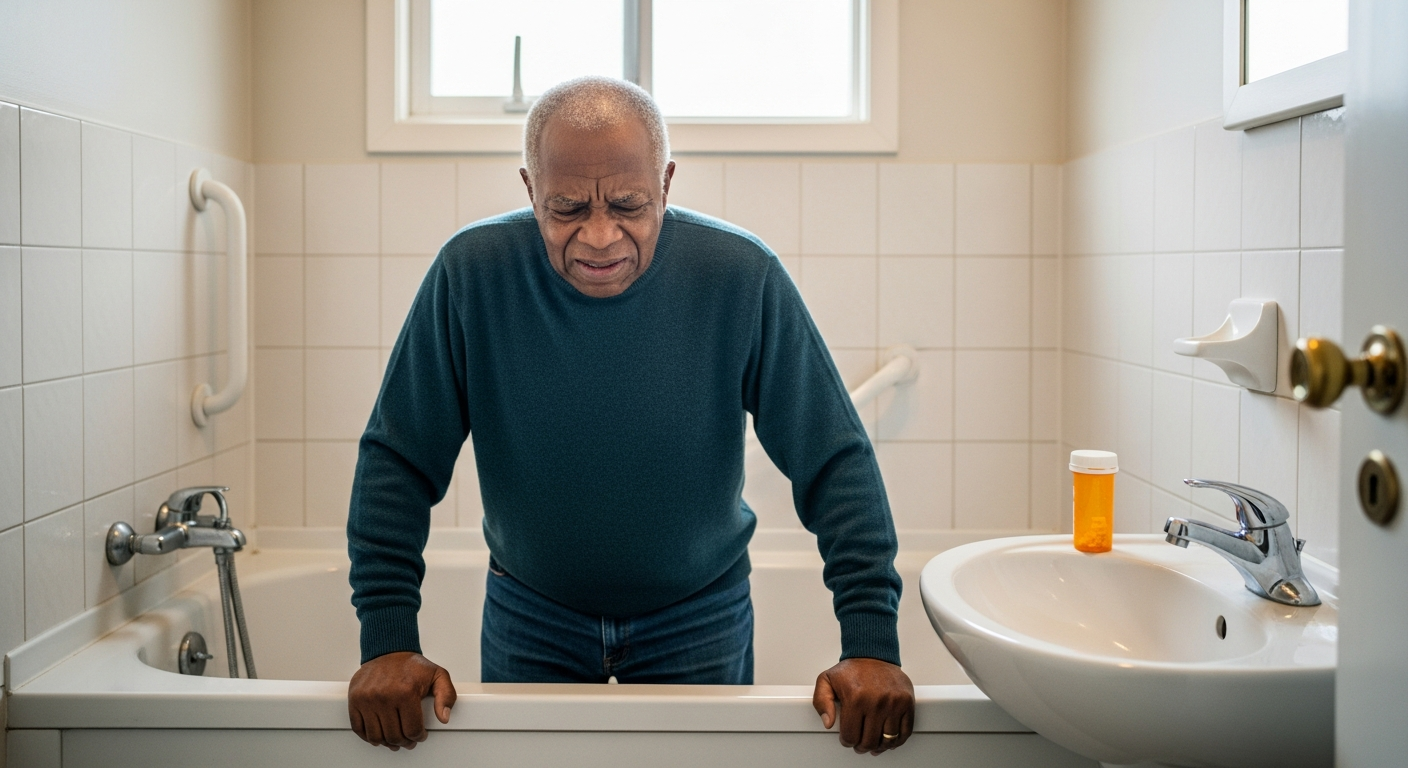
Real-World Example: Aging in Place With Opioid Use
Thomas, 76, London Ontario, chronic back pain + opioid management:
Without specialized support (Standard aging-in-place approach):
- Adult daughter arranges home modifications: grab bars, ramps, accessibility bathroom
- No medication management specialist
- Daughter manages father's medications informally (hoping she doesn't miss something)
- Year 1: Thomas falls due to opioid-induced dizziness (unaddressed side effect); hip fracture; requires rehab facility
- Year 2: Thomas re-enters community but refuses to fall again; stops taking pain medication
- Result: Uncontrolled pain, depression, isolation; forced facility placement after 18 months
With RM-funded specialized approach:
- Reverse mortgage approved: $300,000 available
- RM draw phase 1: $15,000 for professional medication review + specialized home modifications (seated shower, non-slip flooring, wider hallways)
- RM draw phase 2: $3,000/month for professional medication management coordinator
- RM draw phase 3: $1,500 for daughter's caregiver training (Narcan, medication safety, when to escalate)
- Result: Thomas ages in place 6+ years with safe medication management, minimal falls, daughter confident in her role, pain well-managed
Cost to family: $15,000 one-time + $36,000/year = $51,000 total for 3-year support. Benefit: Prevented facility placement, preserved independence, daughter's mental health protected.
Coordination With Pain Management and Addiction Medicine
A reverse mortgage funds professional oversight that prevents gaps between physicians:
| Medical Specialist | Role | Coordination Need |
|---|---|---|
| Primary care physician | Opioid prescription, general health | Regular check-in; medication review coordination |
| Pain management specialist | Optimizing pain control, medication adjustment | Pharmacist alerts if changes needed |
| Addiction medicine (if consulted) | Assesses risk of problematic use, supports safe medication management | Often unavailable; reverse mortgage can fund specialized consultation |
| Pharmacist (reverse RM-funded) | Medication interactions, adherence, safe storage | Bridges gaps; alerts all providers to concerns |
| Mental health counselor (reverse RM-funded) | Depression, anxiety, isolation (common with chronic pain) | Reduces psychological pain; may reduce opioid need |
Professional medication management coordinator (funded by reverse mortgage) becomes the linchpin coordinating all providers.
Reverse Mortgage Approval for Opioid-Related Aging Support
According to FSRAO and FCAC, reverse mortgages for "healthcare, medication management, home modifications for safety" are standard approved uses. Your aging parent's opioid use history is not a factor in approval—lenders assess home equity and age only.
However, you may choose discretion when discussing with Rick Sekhon or your lender. The framing:
- "My parent has chronic pain and requires specialized home design for fall prevention"
- "Professional medication oversight is critical for safe aging in place"
- "I need to fund caregiver training and support to manage complex medical needs"
You don't need to disclose opioid use unless you choose to for strategic planning. But if you do disclose, it's medically routine—not a red flag.
Frequently Asked Questions
Won't disclosing my parent's opioid use to the reverse mortgage lender affect approval?
No. Lenders assess home equity and age, not medical history. Even if you disclose, it's treated as routine medication management (like diabetes or heart disease)—not a disqualifying factor. However, if you prefer privacy, you can frame discussion as "pain management and medication oversight" without specifying opioids.
What if my parent is resistant to professional medication management? Can I still fund it?
Yes. Reverse mortgage funds the infrastructure (coordinator available); your parent decides participation. Often, initial resistance fades when parent experiences how professional oversight prevents side effects and improves pain control. The funding makes it possible; adoption is your parent's choice.
Is Narcan training (naloxone/overdose reversal) necessary if my parent is on prescription opioids?
Yes. Prescription opioids carry overdose risk, especially in combination with other medications or alcohol. Caregiver training in naloxone administration is protective and increasingly standard medical practice. Insurance and provincial programs cover Narcan training; reverse mortgage can fund if not covered locally.
Will a reverse mortgage be perceived as enabling my parent's opioid use?
This misconception persists. In reality: Your parent has a legitimate pain condition; opioids are prescribed by a physician; a reverse mortgage funds SAFE pain management (medication oversight, home design, caregiver training). That's the opposite of enabling—it's harm reduction and safety. Frame it clearly with family: "This funds safe pain management, not avoidance."
What if my parent's medication needs change (e.g., doctor wants to reduce opioids)? Does the reverse mortgage draw schedule change?
Yes. Reverse mortgage line of credit is flexible. If medication management needs decrease (opioids reduced, pain better controlled), you reduce RM draws proportionally. If needs increase (new complications), you increase draws. Flexibility matches real-world medication evolution.
Can a reverse mortgage fund my parent's cannabis use as an alternative to opioids?
This is in a gray area. If cannabis is legally prescribed (authorized medical cannabis) and it's part of a physician-approved pain management plan, reverse mortgage could fund it. However, lenders vary. Consult Rick Sekhon about specific circumstances. If your parent's physician recommends cannabis as opioid-reduction strategy, that changes the conversation.
Key Takeaways
- 32% of seniors take prescription opioids; yet aging-in-place planning ignores the specialized medication management, home design, and caregiver training this requires.
- Opioid-induced falls are preventable with professional medication management + specialized home design; reverse mortgage funds both without requiring family to manage medication informally.
- Caregiver training and mental health support are critical: Adult children managing parent's opioids face complex legal/emotional burden; reverse mortgage funds professional training and emotional support.
- Professional medication coordinator becomes the linchpin: Bridges gaps between primary care, pain management, and pharmacy; alerts to dangerous interactions; reduces overdose risk.
- Specialized home modifications cost $12,000–$30,000: Seated showers, non-slip flooring, wider hallways address pain-specific fall risks that standard grab bars don't prevent.
- Reverse mortgage approval is straightforward: Lenders treat pain/medication management as routine healthcare use; opioid history is not a disqualifying factor.
Ready to Learn More?
Find out exactly how much you could unlock from your home — free and no obligation.
Related Articles
Reverse Mortgage After Your Caregiver Retires: Restructuring Care and Rebuilding Independence
Your longtime caregiver is retiring. A reverse mortgage funds the transition to new care arrangements and helps you rebuild independence after years of dependence.
Read →Reverse Mortgage for Rural Ontario Caregiving Deserts: When Attendants Cost 3x More
Rural aging in place costs dramatically more when care attendants are scarce. A reverse mortgage funds premium wages to attract caregivers to remote areas and stay affordable.
Read →Reverse Mortgage for Emergency Home Accessibility: Sudden Wheelchair Use Requires Complete Retrofit
When your adult child becomes wheelchair dependent, home modifications are urgent. Fund complete retrofit—ramps, widened doors, accessible bathroom—with zero-payment reverse mortgage.
Read →