
Reverse Mortgage for Aging Parent's Bereavement Support After Spouse Death in Ontario
Fund professional grief counseling, caregiver support, and life restructuring when your aging parent loses their long-term spouse. Cover costs while they grieve and rebuild.
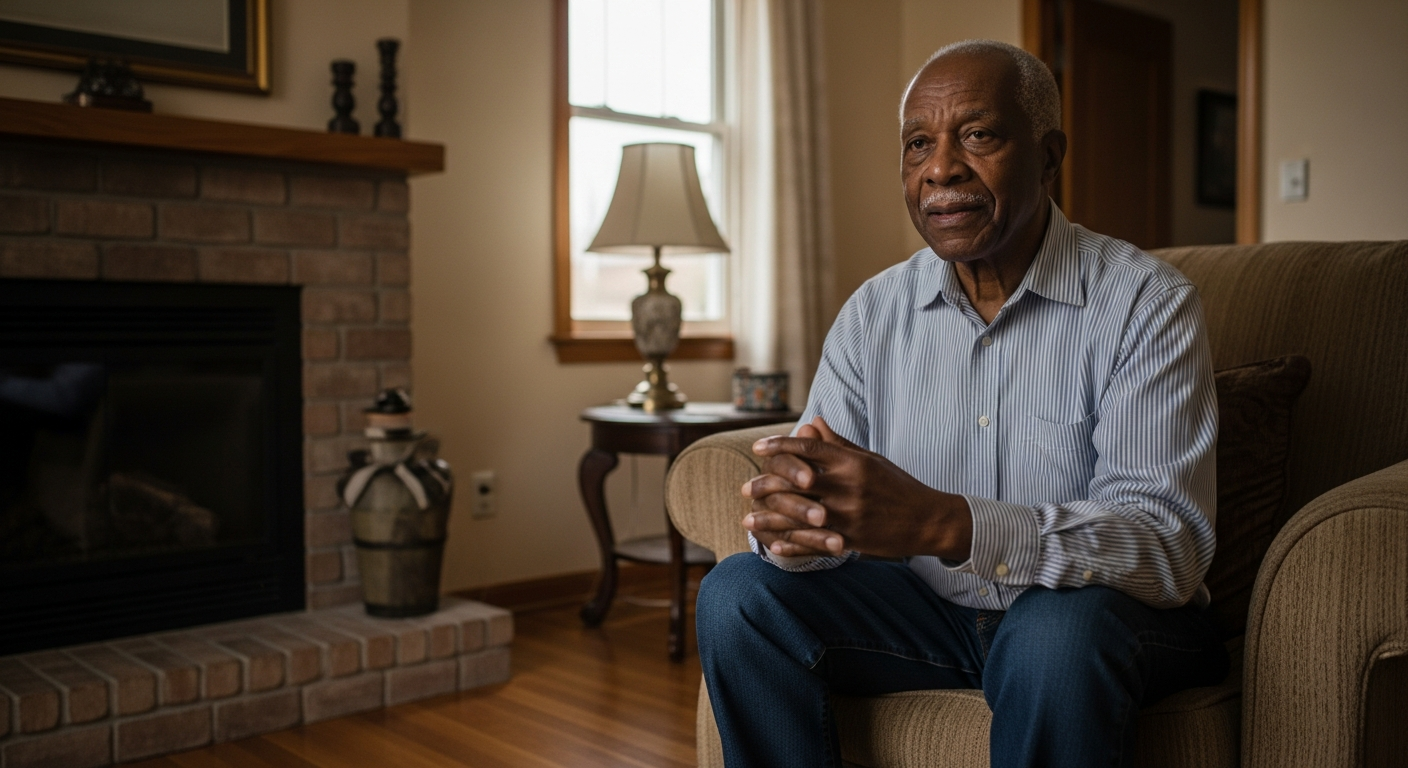
Your aging parent's spouse of 50+ years just died. Suddenly, they're navigating funeral costs, empty-home grief, and a life completely restructured. They're not ready for assisted living, but they can't manage their house alone emotionally or practically. A reverse mortgage can fund the professional support, grief counseling, and temporary help your parent needs to survive the first year and rebuild—without forcing a rushed housing decision during the worst year of their life.
The Hidden Crisis of Widowhood After 50+ Years of Marriage
Most financial planning focuses on funeral costs (which are real but manageable). What families miss: the year after a spouse's death is a financial and emotional crisis that costs far more than the funeral.
Your aging parent faces:
- Grief counseling and mental health support ($150–300/session, often 20–40 sessions in year 1)
- Loss of spouse's income (pension, CPP, OAS often drop for survivor)
- Household management breakdown (the deceased spouse handled finances, cooking, home maintenance, bills)
- Loneliness and isolation (grief deepens without structure and support)
- Cognitive decline risk (isolation and grief accelerate cognitive aging)
- Identity loss (after 50 years, your parent's identity was married; rebuilding takes work)
- Practical household crises (furnace breaks; nobody maintained the house while spouse was dying)
The cost of ignoring this crisis? Your parent's health accelerates downward. Depression deepens. Isolation increases dementia risk. Within 2–3 years, they're forced into institutional care—not because they needed it immediately, but because grief-driven isolation and neglect made them unsafe.

The Financial Timeline of Spouse Loss
Pre-Death (Medical Crisis)
- Spouse's final illness costs: medical, care, travel
- Your parent's income lost as they become informal caregiver
- Financial drain: Savings depleted during final 6–12 months
Death Week
- Funeral costs: $5,000–10,000
- Probate/legal: $1,500–3,000
- Family travel for out-of-town relatives: $2,000–5,000
- Subtotal: $8,500–18,000
Months 1–3: Initial Shock
- Grief counseling: $3,000–6,000 (20–40 sessions at $150–300)
- Household help (cleaning, cooking, yard work): $2,000–5,000
- CPP/OAS/insurance administration: $0–2,000 in legal fees
- Home maintenance crises: $1,000–5,000 (furnace, roof issues)
- Emotional toll: Sleep disorders, medication adjustments
Months 4–12: Processing and Rebuilding
- Ongoing counseling: $3,000–6,000
- Caregiver/support services: $3,000–8,000
- Social/activity programs (combating isolation): $1,000–2,000
- Medication adjustments/doctor visits: $1,000–2,000
- Possible professional financial advisor (account consolidation): $1,500–2,500
Year 1 Total: $20,000–50,000+
The reality families face: Depleted savings from spouse's illness, funeral costs, ongoing grief support, and household breakdown often exceed what your parent can absorb from remaining pension/CPP income.
Why Grief Requires Professional Support (Not Just Family)
You want to help. But grief counseling from a licensed therapist, not family, matters because:
- Professional therapists avoid family entanglement: Your parent can express anger, despair, and dark thoughts to a therapist without worrying about burdening you or siblings
- Grief has phases: Professionals help your parent navigate shock → denial → anger → depression → acceptance. Family members don't know how to handle the "anger at the deceased" phase
- Isolation is deadly: A therapist appointment twice weekly gives structure and human connection during the most isolating year
- Complicated grief is common: After 50 years, some parents develop "complicated grief" (unable to process). Therapists specialize in this; family can't
- Medication management: Grief often triggers or worsens depression, anxiety, sleep disorders. A grief-informed psychiatrist coordinates care; family can't
According to research on spousal bereavement, seniors who received professional grief counseling in the first year had 30–40% better health outcomes in year 2–3 compared to those who relied solely on family support.
Reverse Mortgage Strategies for Bereavement Support
Strategy 1: Lump Sum for Year-One Intensive Support
Access a lump sum ($30,000–50,000) covering:
- Professional grief counseling (2x/week for 12 months): $12,000–16,000
- Household help (cleaning, yard work, home repair coordination): $8,000–12,000
- Caregiver/companionship 2–3x/week: $6,000–10,000
- Grief support group facilitation and social activities: $2,000–4,000
- Home maintenance crisis reserves: $2,000–5,000
Timeline: Funds accessed immediately after spouse's death; drawn down over 12 months as grief support services are needed.
Strategy 2: Line of Credit for Flexible, Ongoing Support
If your parent's grief trajectory is uncertain, a reverse mortgage line of credit ($100,000–200,000) lets you:
- Draw funds as grief counseling intensity increases/decreases
- Fund unexpected crises (furnace breaks, major health event)
- Adjust support services based on recovery pace
- Maintain flexibility if grief complications emerge
Best for: Parents with uncertain grief timelines, those showing complicated grief patterns, or parents who might need additional support beyond year 1.
Strategy 3: Hybrid (Lump Sum for Known Costs + LOC for Unknowns)
- Lump sum: $30,000 for funeral, first 6 months of grief counseling, immediate household help
- Line of credit: $100,000+ for months 7–12 support, home maintenance crises, complications
This balances certainty (you know funeral + early support costs) with flexibility (grief unfolds unpredictably).
Professional Support Services Your Parent Needs
1. Grief Counseling and Therapy
Cost: $150–300/session; typically 20–40 sessions in year 1
- Individual therapy with therapist specializing in spousal bereavement
- Psychiatrist for medication management (antidepressants, sleep aids, anxiety support)
- Grief support groups (often free, but transportation/facilitation costs)
Why essential: Grief is not something family fixes. A therapist helps your parent move through phases rather than getting stuck in depression.
2. Household Help and Care Coordination
Cost: $2,000–8,000 for year 1
| Service | Cost | Benefit |
|---|---|---|
| House cleaning 2x/month | $100–150/visit = $2,400–3,600/year | Prevents filth/safety hazards; reduces overwhelm |
| Grocery delivery + meal prep | $200–300/week = $10,000–15,600/year | Nutrition; eliminates decision fatigue |
| Yard work and snow | $200–400/month seasonal = $2,000–4,000/year | Safety; prevents injury/entrapment |
| Handyman for home crises | $75–150/hour + parts = varies | Prevents deferred maintenance crises |
| Companion care (social) | $20–30/hour, 2x/week = $2,000–3,000/year | Combats isolation; provides structure |
Key: Hire professionals, not family. Your parent feels cared for, not burdened, by hired help.
3. Medication Management and Health Monitoring
Cost: $1,000–2,000 for year 1
- Grief-informed psychiatry (medication adjustments): 4–8 visits
- Sleep medication, antidepressants, anti-anxiety: $30–100/month
- Blood pressure/health monitoring: part of regular GP visits
Why: Grief triggers medical crises. Proactive medication prevents hospitalization.
4. Social Structure and Activity
Cost: $1,000–3,000 for year 1
- Senior center memberships: $50–200/month
- Grief support group coordination: transportation, facilitation
- Classes or workshops (art, music, wellness): $20–50/class
- Travel or activities that rebuild identity: $500–2,000
Why: Isolation accelerates grief. Structure and community help your parent rebuild life identity.
Income and Benefit Changes After Spouse Death
Understand what your parent loses when their spouse dies—this informs how much RM support they'll need:
| Benefit/Income | Status Before Spouse Death | Status After Spouse Death | Monthly Loss |
|---|---|---|---|
| Spouse's CPP benefit | Spouse receives | Survivor CPP begins (50–60% of spouse's) | Varies; often $500–1,500 loss |
| Spouse's OAS | Spouse receives | Survivor benefit (none; goes away) | Usually $200–400 loss |
| Spouse's workplace pension | Spouse receives | Survivor pension (often 50–60%) | Varies widely |
| OAS Clawback (if income increases) | Two pensions at clawback threshold | One pension; may trigger clawback on survivor | Can be $100–300 additional loss |
| Total monthly income loss | $800–2,200+/month |
This is critical: Your parent's monthly household income often drops by $1,000–2,000/month after spouse death. Over 12 months, that's $12,000–24,000 in lost household income.
A reverse mortgage covers this income gap while your parent's CPP/OAS/pensions are sorted out.
Preventing Complicated Grief and Health Decline
Research shows specific interventions prevent complicated grief:
| Intervention | Cost | Effectiveness |
|---|---|---|
| Professional grief counseling (2x/week) | $12,000–16,000/year | 70% prevent complicated grief |
| Regular social contact + activities | $2,000–4,000/year | 60% prevent isolation spiral |
| Proactive medication management | $1,000–2,000/year | 50% prevent depression/anxiety escalation |
| Structured routine (classes, groups, appointments) | $1,000–2,000/year | 55% prevent cognitive decline |
| Combined approach | $16,000–24,000/year | 80%+ prevent major health decline |
The math: Invest $20,000 in year-1 bereavement support vs. forced institutional placement in year 3 ($60,000–80,000/year). Prevention is exponentially cheaper.
According to the Journal of the American Geriatrics Society, seniors who received comprehensive bereavement support in year 1 after spousal death had 40% fewer health crises in years 2–3 compared to unsupported bereaved seniors.
Working With Professionals: Building a Bereavement Support Team
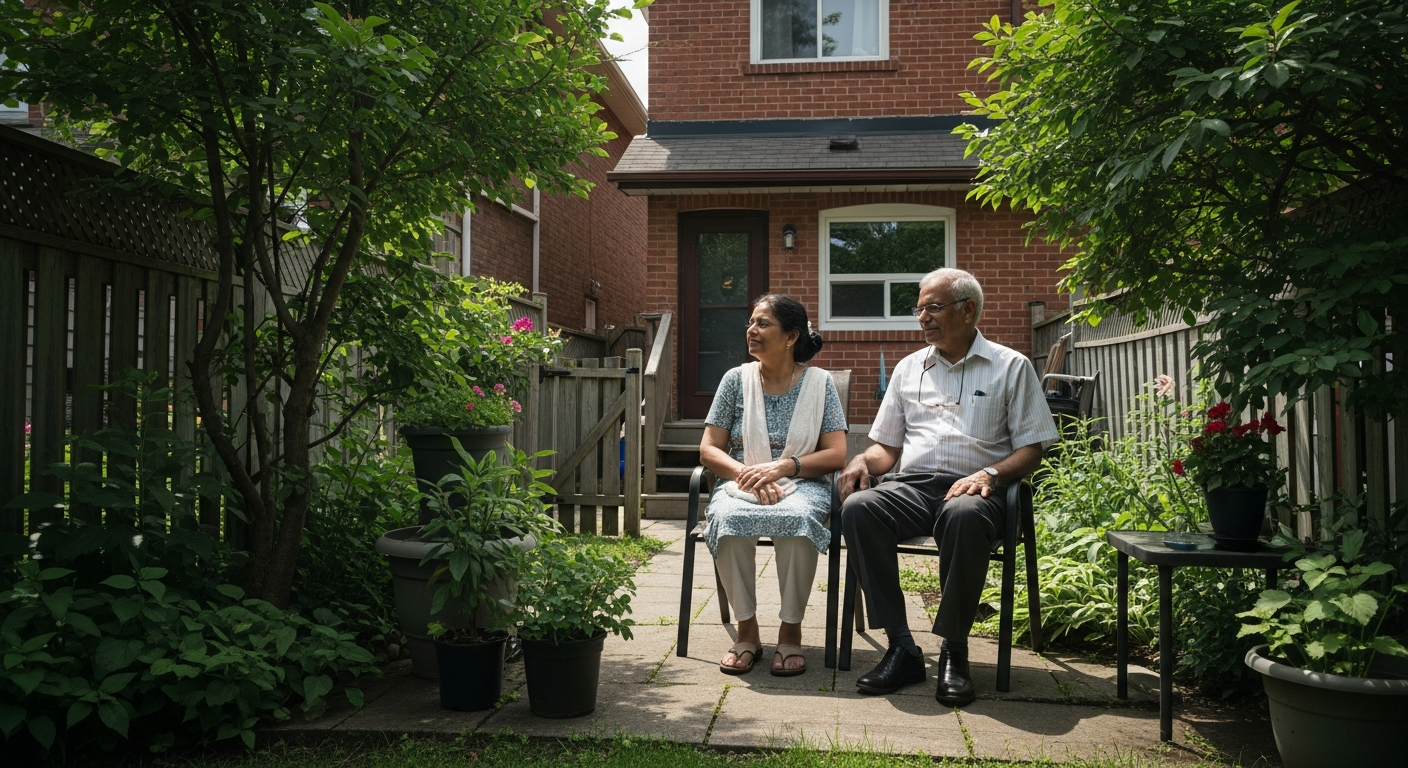
A reverse mortgage funds the team your parent needs:
- Grief counselor/therapist: 2x/week, ongoing throughout year 1
- Psychiatrist: Medication management (if needed), monthly check-ins
- House cleaner/organizer: 2x/month or weekly, depending on decline
- Caregiver/companion: 2–3x/week social/practical support
- Financial advisor: Consolidating accounts, optimizing CPP/OAS timing
- Geriatrician: Overall health and aging assessment
These professionals coordinate around your parent's needs. A geriatric care manager ($200–400/month) can coordinate the team, ensuring your parent's care is integrated—not siloed.
Home Safety During Grief: Why Home Maintenance Matters
Grieving parents often neglect home maintenance—not from laziness, but from paralysis and cognitive overload.
Common crises in year 1:
- Furnace breaks; parent hasn't serviced it in years
- Roof leaks discovered; parent can't manage contractor relationships
- Plumbing backs up; parent freezes at decision-making
- Yard becomes overgrown; parent feels shame
- House fills with clutter; parent lacks energy to organize
A reverse mortgage lets you hire professionals to manage these before they become crises. Budget $2,000–5,000 for preemptive home maintenance in year 1.
The Dignity Factor: Why Professional Support Matters
Many adult children want to move their grieving parent in with them or into assisted living immediately. But this removes autonomy during the year they need autonomy most.
Professional bereavement support lets your parent:
- Stay in their home (familiar, still contains spouse's memory)
- Maintain independence while getting support
- Rebuild identity in a structured but autonomous way
- Make decisions about future housing from a healthier place (not from crisis)
Many parents who received professional bereavement support in year 1 decided within 12–18 months to downsize or move to assisted living—because they chose it from a place of rebuilding, not desperation.
Key Takeaways
- Year 1 after spousal death costs $20,000–50,000+, not just funeral expenses.
- Professional grief counseling is essential, not optional; it prevents complicated grief and health collapse.
- Income gap ($1,000–2,000/month) follows spouse death, requiring temporary financial bridge.
- Reverse mortgage funds comprehensive bereavement support: counseling, household help, caregiver companionship, medication management.
- Prevention is exponentially cheaper: $20,000 in year-1 support vs. $60,000+/year institutional care in years 2–3.
- Home maintenance crises spike during grief; proactive maintenance prevents safety hazards.
- Professional support enables autonomous decision-making: Your parent stays in their home, rebuilds identity, then decides about housing future from a healthier place.
Frequently Asked Questions
What if my aging parent refuses grief counseling?
Start with something less stigmatizing: grief support groups (community-based, peer-led), or a geriatrician who addresses health changes. Sometimes accepting any professional support opens the door to therapy later. Reframe it: "The doctor recommends this," not "You need therapy."
Can my aging parent's pension/CPP be adjusted immediately after their spouse dies?
CPP survivor benefits take 2–3 months to process. OAS benefits take 3–6 months. During this gap, a reverse mortgage covers lost household income. After processing, your parent's income stabilizes, reducing RM drawdown needs.
How long should I plan for bereavement support to last?
Most grief research suggests intensive support for 6–12 months. Some parents need 18–24 months. A line of credit is better than lump sum if duration is uncertain, since you can adjust drawdown as your parent stabilizes.
What if my aging parent wants to downsize right after their spouse dies?
Discourage rushing this major decision for 12 months. A reverse mortgage lets your parent stay in their home during grief, then move from a healthier place within 12–18 months when they're ready to rebuild. Homes sold in grief haste often go for below-market prices.
Is grief counseling covered by Ontario health insurance?
Some individual therapists aren't covered; psychiatrists (medication management) are. Check your parent's coverage. A reverse mortgage covers the gap for uncovered counseling, which is often more specialized (bereavement counseling) than general therapy.
Can I coordinate this with other family support?
Absolutely. Professional help complements family support. You visit emotionally while professionals handle structure and crisis management. This prevents family burnout and lets your parent have separate spaces for grief (therapist, support group) and family connection (you).
Ready to plan comprehensive bereavement support for your aging parent without forcing a housing crisis? Contact Rick Sekhon Reverse Mortgages to discuss accessing funds for grief counseling, household support, and health management during your parent's most vulnerable year. We'll help you build the support infrastructure that enables healing.
Ready to Learn More?
Find out exactly how much you could unlock from your home — free and no obligation.
Related Articles
Reverse Mortgage for Creating Multigenerational Grief Support Spaces in Your Home
Fund home modifications that create healing spaces for multigenerational bereavement. Living legacy investment in family emotional wellness and grief recovery.
Read →Reverse Mortgage for Aging Parent's Digital Health Records and Cybersecurity Setup
Protect your aging parent's digital identity, medical records, and finances. Fund professional setup of cybersecurity, password management, and health data access.
Read →Reverse Mortgage for Your Adult Child's Mental Health Recovery: Funding Therapy and Counseling
Learn how to use a reverse mortgage to fund your adult child's mental health recovery, therapy costs, and counseling services in Ontario.
Read →