
Reverse Mortgage for Adult Child Recovering From Long-Term Substance Abuse: Housing Stability and Family
Reverse mortgage to support adult child's long-term recovery from substance abuse. Housing stability, family reconciliation, and rebuilding trust. Ontario.
Your adult child is in recovery, stable on their treatment plan, but housing instability is threatening their progress—and you know that one crisis could trigger relapse. Long-term substance abuse recovery isn't a single moment of decision; it's a fragile rebuilding process that can collapse if your child loses housing, feels unsupported, or faces the shame of returning to a shelter system. Many families who've supported recovery find that secure housing and family presence are as critical to long-term success as the treatment itself.
A reverse mortgage allows you to provide the housing security and family structure your child needs during this vulnerable window—without depleting retirement savings or creating financial pressure that damages your relationship.
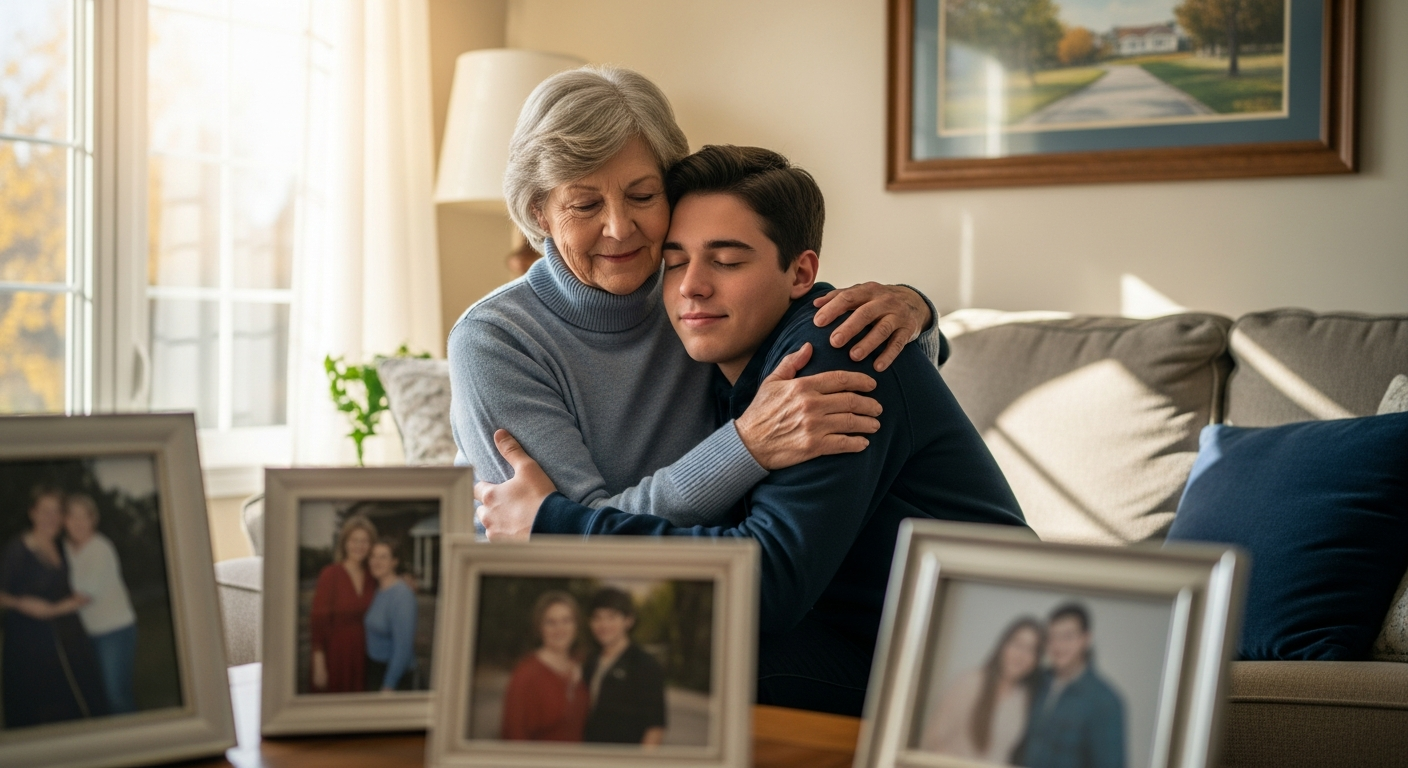
The Critical Role of Housing in Long-Term Recovery
Long-term substance abuse recovery requires continuous access to safe, secure housing as the foundation for rebuilding life structure. Research from the Canadian Centre on Substance Use and Addiction shows that adults in stable housing have a 70% higher likelihood of remaining substance-free at 3-year follow-up compared to those cycling through shelter systems.
The mechanism is both practical and psychological:
- Stable housing removes daily survival stress — your child can focus on recovery work instead of finding a bed each night
- Connection to support networks becomes possible — therapy, NA/AA meetings, employment, educational programs all require a consistent address
- Shame and isolation decrease — living in a shelter system reinforces the identity "I'm a homeless person who used drugs" rather than "I'm a person in recovery"
- Family healing can begin — when your child isn't in crisis mode, you can rebuild trust and repair relationships damaged during active addiction
The alternative—your child returning to precarious housing or the street—costs Ontario far more. Healthcare costs for untreated addiction are $20,000–$40,000 per year per person in emergency care, incarceration, and lost productivity.
The Housing Stability Window: What Your Child Actually Needs
After months (or years) in active addiction, your adult child in recovery needs something quite different from typical housing assistance. They need:
- Safe space with family accountability — living in your home or paying below-market rent in a family-owned property provides daily connection without the stigma of supervised housing
- Clarity about expectations — "This is temporary, with milestones" protects both you and your child from unhealthy dependence
- Recovery support infrastructure nearby — access to therapists, medical providers, peer support groups, and employment services
- Distance from old social networks — housing in a different neighborhood or area may be intentional
- Affordability while re-entering employment — your child may start at minimum wage after employment gaps; subsidized family housing reduces desperation
A reverse mortgage funds this period directly: basement conversion, small rental property near your home, or monthly rental subsidy while your child rebuilds income.
Funding Models: From Basement Conversion to Monthly Support
Model 1: Basement or Secondary Suite Conversion
Cost: $15,000–$40,000 | Timeline: 3–6 months
Convert existing space into independent living quarters. Your child has their own space, but you're nearby for accountability and support.
| Component | Cost | Purpose |
|---|---|---|
| Egress window installation | $2,000–$5,000 | Safety code requirement |
| Kitchenette or bathroom upgrade | $5,000–$12,000 | Functional independence |
| Flooring, paint, fixtures | $4,000–$8,000 | Dignity and normalcy |
| Furniture and beds (modest) | $2,000–$3,000 | Basic living standards |
| HVAC/heat zones | $1,500–$4,000 | Comfort and code compliance |
| Contingency (15%) | $3,000–$8,000 | Contractor overages |
| Total | $17,500–$40,000 | Converted private space |
This approach works best when your child is ready for independence but not yet stable enough for solo housing.
Model 2: Rental Property Near Your Home
Cost: Acquisition + mortgage support | Timeline: 2–4 months
Purchase a small rental property (duplex, small house) in your neighborhood. Your child lives in one unit rent-free or at reduced rate; rental income covers the mortgage.
| Scenario | Down Payment | Monthly Outcome |
|---|---|---|
| Buy $350K duplex, child in one unit | $50K–$75K (reverse mortgage funds) | Rent from other unit ($1,200–$1,400) covers mortgage ($900–$1,100) |
| Buy $300K townhouse, child lives there | $40K–$60K (reverse mortgage) | You cover difference ($300–$500/month from other income) |
According to the Canadian Mortgage and Housing Corporation (CMHC), families using co-purchased or family-owned properties report higher recovery success rates because the child doesn't feel like a burden and the property generates equity value.
This model creates a lasting family asset while providing secure housing.
Model 3: Direct Monthly Housing Subsidy
Cost: $500–$1,000/month | Timeline: Immediate
Your child rents independently; you subsidy the gap between their income and market rent for 2–3 years.
| Stage | Child's Income | Market Rent | Your Subsidy | Duration |
|---|---|---|---|---|
| Year 1 (rebuilding) | $1,500–$2,000 | $1,200 | $200–$400 | 12 months |
| Year 2 (employment) | $2,200–$2,800 | $1,200 | $100–$200 | 12 months |
| Year 3+ (independent) | $2,800+ | $1,200 | $0 | Ongoing |
A reverse mortgage HELOC (line of credit) is ideal for this—draw $300–$400 monthly as needed, only pay interest on what you use.
Family Reconciliation and Relationship Repair
Housing stability alone doesn't repair the damage addiction creates. Your adult child in recovery needs to know they're truly welcome—not being stored in a basement as penance, but genuinely integrated back into family life.
Boundaries and accountability are essential. This isn't unconditional subsidy; it's structured support:
- Attend treatment/therapy appointments (verified monthly)
- Remain substance-free (regular testing if appropriate to your family's agreement)
- Contribute to household (chores, meal prep, shared responsibilities)
- Maintain employment or training program (document progress)
- Participate in family activities (dinners, communication, rebuilding trust)
This structure isn't punishment—it's what separates "supportive housing" from "enabling." A reverse mortgage funds this period (typically 18–36 months), giving clear timeline and expectations.
When to Use Professional Family Counseling
If your family experienced trauma during your child's active addiction (theft, betrayal, violence, lies), professional family therapy is often necessary before living together works.
Cost: $150–$250/session × 2 sessions/month × 12 months = $3,600–$6,000/year.
A reverse mortgage can fund this directly. Many families don't realize that therapy investment during recovery prevents relapse cycles caused by unresolved hurt.
According to the Journal of Family Therapy, families who participated in 20+ therapy sessions during a family member's first year of recovery showed 65% higher long-term stability than families who relied on self-guided reconciliation.
Employment and Income Rebuilding
Your adult child's employment prospects after long-term addiction are complicated. They may face:
- Employment gaps in their resume (how to explain 2–5 years away?)
- Lost professional licenses or credentials
- Criminal record affecting job prospects
- Confidence/shame barriers
- Employers uncomfortable hiring people with substance abuse history
A reverse mortgage can fund:
| Support | Cost | Impact |
|---|---|---|
| Career counseling and resume building | $500–$1,500 | Explains gaps professionally |
| Skills training or certification (short courses) | $1,000–$3,000 | Fills employment gaps |
| Job coaching or employment support | $100–$150/session × 6–10 sessions | Confidence and interview prep |
| Transportation support (vehicle repair, transit passes) | $500–$2,000 | Removes barrier to attending work |
| Modest wardrobe for interviews/work | $300–$600 | Dignity and professional appearance |
Employment is the final pillar of sustainable recovery. Without income independence, your child remains emotionally dependent, and you remain financially stressed.

Setting Financial Boundaries: This Isn't Forever
The hardest part of supporting recovery is knowing when to stop. A reverse mortgage helps because it's time-limited and measurable.
Recommended structure:
- Year 1–2: Cover housing 100%, fund therapy and treatment
- Year 2–3: Your child covers 50% of housing, you cover 50%
- Year 3+: Your child covers 100%; relationship transitions to adult-to-adult
This isn't cold or punitive. It's the structure that prevents co-dependency and gives your child the agency and pride of eventually standing independently.
Some families find a sunset clause helpful: "We're funding housing and therapy through [specific date]. By then, we expect you'll have employment income covering your share." This clarity prevents resentment from building.
Key Takeaways
- Stable housing increases long-term recovery success by 70% compared to precarious housing or shelters
- Three funding models exist: basement conversion ($15K–$40K), rental property purchase ($40K–$75K down payment), or monthly subsidy ($300–$1,000/month)
- Family reconciliation requires professional therapy—budget $3,600–$6,000/year and expect 18–24 months of work
- Employment support (counseling, training, job coaching) prevents relapse by rebuilding income and identity
- A reverse mortgage funds this recovery window (typically 2–3 years) without depleting retirement savings or requiring monthly payments
Frequently Asked Questions
What if my adult child relapses while living with me?
Relapse is common in recovery; it's a medical symptom, not a moral failure. A written agreement in advance (done with a family therapist) clarifies what happens if relapse occurs—usually 30 days notice to find alternative housing, immediate re-entry to treatment, and potential restart of the timeline. Don't provide housing that enables relapse, but also don't use one relapse as reason to cut off all support.
Can I use a reverse mortgage to pay for treatment rehab programs?
Yes. Residential treatment programs cost $10,000–$30,000/month in Canada. Some families use reverse mortgage funds for intensive treatment in the first year, then transition to outpatient care with housing support in years 2–3. This is a valid use.
Does supporting my adult child affect my own retirement income or tax situation?
Reverse mortgage proceeds are tax-free loans, not income. They don't affect CPP/OAS or government benefits. However, if you're providing housing subsidy, that's considered personal family support and doesn't create tax implications unless you're running a rental business.
What if my child won't commit to boundaries or ongoing treatment?
You can't force recovery. If your child isn't willing to engage in treatment, therapy, or accountability, housing support will enable active addiction, not support recovery. Work with a family therapist to determine what conditions are reasonable and what you can genuinely afford to provide without sacrificing your retirement.
Can I get a reverse mortgage if my adult child has a criminal record?
Yes. Your criminal record status is what matters, not your child's. The lender cares about your home equity, age (55+), and ability to maintain the property. Your child's record doesn't affect reverse mortgage eligibility.
Should I put the property in both our names or just mine?
Consult a real estate lawyer. Generally, keeping it in your name protects your equity if your child faces legal claims or creditors. However, if you want to build co-ownership over time (e.g., they eventually buy your share), you can structure it that way. This is personal and legal—not a lender question.
Ready to Learn More?
Find out exactly how much you could unlock from your home — free and no obligation.
Related Articles
Reverse Mortgage for Family Counseling and Relationship Therapy
Fund professional family counseling and therapy services with a reverse mortgage. Strengthen family relationships and mental health without budget strain.
Read →Breaking the Boomerang Cycle: Reverse Mortgage for Long-Term Adult Child Support
Your adult child can't move out. Use reverse mortgage to provide ongoing financial support without guilt. Sustainable strategy for parents age 55+. Ontario guide.
Read →Reverse Mortgage for DEI Consulting Practice: Launching Diversity, Equity, and Inclusion Consulting in Retirement
Start a diversity and inclusion consulting practice. Help corporations and nonprofits build equitable cultures; reverse mortgage funds training, business setup, and market entry.
Read →