
Supporting Your Adult Child in Government Service: Reverse Mortgage for Civil Service Careers
How to fund your adult child's government job transition, training, and early career stability using a reverse mortgage in Ontario.
Government and civil service careers—teaching, nursing, social work, municipal administration, provincial positions—offer stability and purpose, but often require sacrifices your adult child might struggle with alone. Early career salaries are modest, entry-level positions may require relocation, and specialized training costs money. For parents with home equity, a reverse mortgage can fund the financial bridge that allows your adult child to pursue public service work without the burden of debt or financial instability.
This guide explores how reverse mortgages support adult children pursuing government and civil service careers in Ontario.
Why Government Careers Matter (And Cost)
Ontario's public sector offers meaningful work:
- Teaching: K–12 education, special needs, adult education
- Healthcare: Nursing in hospitals and long-term care, public health
- Social Services: Child protection, seniors support, housing services
- Municipal Administration: Planning, engineering, community development
- Provincial Positions: Environmental protection, natural resources, policy development
- Public Safety: Police, firefighting, paramedics (partly public)
These careers build secure pensions, offer job stability, and serve communities. But they also require:
- Specialized education (nursing degrees, teaching credentials)
- Low starting salaries ($35,000–$50,000 for many entry-level roles)
- Relocation to underserved areas (rural Ontario, northern communities)
- Exam fees and certification costs
- Years of lower income before salary progression
Your adult child might delay starting these careers because they can't afford the transition. A reverse mortgage bridges that gap.
Costs Associated With Starting Government Careers

Teaching in Ontario ($5,000–$15,000)
- Bachelor's degree in subject area: (likely already completed)
- Bachelor of Education program: $5,000–$15,000 (tuition over 1–2 years)
- Teaching certification exams and fees: $500–$1,500
- Relocation to first posting (rural Ontario school): $3,000–$5,000
- Total: ~$10,000–$20,000 for education + transition
Nursing (Entry-Level) ($10,000–$20,000)
- Bachelor of Science in Nursing: (likely already completed)
- Licensing exam (NCLEX) and registration: $500–$1,000
- Scrubs, stethoscope, nursing shoes: $300–$500
- First job relocation (many start in smaller hospitals): $3,000–$5,000
- Orientation and training period (often unpaid): lost income ~$2,000–$4,000/month for 3 months
- Total: ~$10,000–$15,000 + 3-month income reduction
Social Work (Caseworker) ($2,000–$8,000)
- Bachelor of Social Work: (likely already completed)
- Master of Social Work (some positions prefer it): $10,000–$20,000 additional
- Licensing (Ontario College of Social Workers and Social Service Workers): $300–$500
- Relocation to first posting: $3,000–$5,000
- Total: ~$5,000–$10,000 for transition
Municipal Administration or Planning ($3,000–$8,000)
- Undergraduate degree in related field: (likely already completed)
- Professional certifications (Certified Municipal Administrator, PMP): $2,000–$5,000
- Relocation to mid-sized Ontario city: $3,000–$5,000
- Total: ~$6,000–$10,000
For parents, funding these costs means your adult child doesn't:
- Defer starting meaningful work
- Carry student debt alongside low starting salaries
- Rush into the wrong job due to financial panic
- Struggle with relocation costs
| Career Path | Typical Transition Cost |
|---|---|
| Teaching (B.Ed + certification + relocation) | $10,000–$20,000 |
| Nursing (licensing + relocation + income gap) | $10,000–$15,000 + 3 months reduced income |
| Social work (licensing + relocation) | $5,000–$10,000 |
| Municipal administration/planning | $6,000–$10,000 |
| Support Structure | What Parent Covers | What Adult Child Covers |
|---|---|---|
| Career Bridge (typical) | $5,000–$15,000: certifications, relocation, income gap | Ongoing living expenses once employed |
| Phased draws | Education, licensing, and relocation costs as incurred | Day-to-day expenses from salary |
| Time-limited model | Support for first 18 months | Full independence after 18 months |
Real Ontario Scenarios: Civil Service Career Support
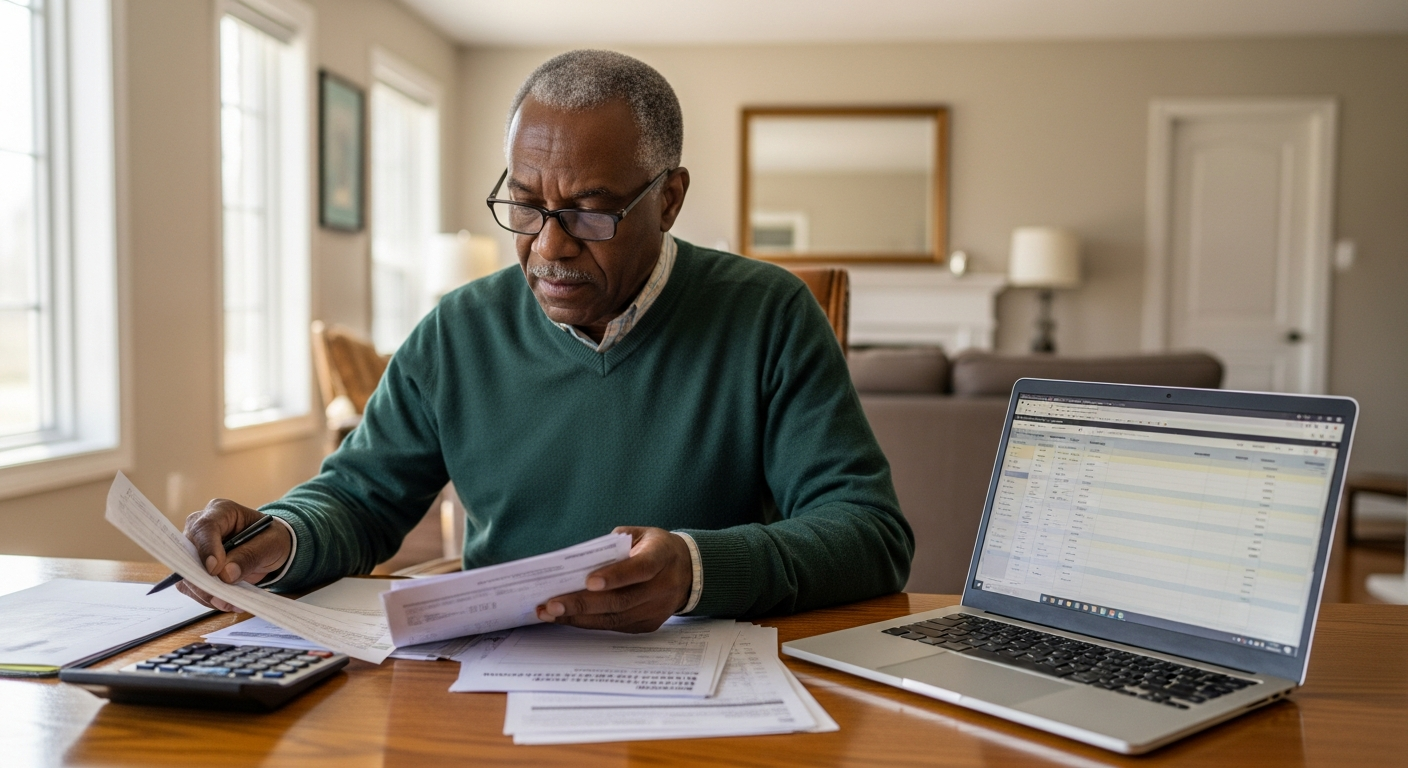
Scenario 1: Teaching in Underserved Rural Ontario Your adult child has completed their Bachelor's degree and education program but faces $15,000 in debt. Their first teaching job is in a rural Ontario school (3 hours north) where they're needed. The starting salary is $45,000.
Without support: They work a part-time retail job for 6 months to save for relocation and pay down debt, delaying their teaching career start.
With reverse mortgage support: You provide $8,000 for relocation and loan forgiveness, letting them start teaching immediately. The $45,000 salary supports them in the new community, and they're not managing debt stress alongside early-career adjustment.
Scenario 2: Nursing Licensure and First Job Relocation Your adult child has completed nursing school but hasn't yet passed licensure exams or secured employment. Moving home temporarily saves rent, but the licensing process costs $1,000, relocation will cost $4,000, and they'll face 3 months of unpaid training. Total: ~$8,000 in costs before earning.
With reverse mortgage support: You cover exam and relocation costs, allowing them to move directly into their first nursing position and start earning sooner.
Scenario 3: Supporting a Child Through Masters (Social Work or Public Administration) Your adult child's government job prospects improve significantly with a Master's degree. A part-time or full-time Master's program costs $15,000–$25,000. They can't afford it while starting an entry-level government job at $40,000/year.
With reverse mortgage support: You fund the Master's program over 2 years, allowing them to complete it while building their career, without deferring one or the other.
The Strategic Reverse Mortgage Approach

Rather than open-ended support, structure reverse mortgage assistance for civil service careers:
Define the "Career Bridge" Amount: Typically $5,000–$15,000 per adult child to cover:
- Final education costs (certifications, exams)
- Relocation and first-year housing setup
- Income gap during unpaid training or transition periods
Set Clear Boundaries:
- "We'll cover education and relocation costs; your salary covers living expenses"
- "The first 18 months are the bridge; after that, you're financially independent"
- "This is a gift, not a loan; we're invested in your career success"
Use Phased Draws: Rather than a lump sum, take reverse mortgage draws as needed:
- Education completion: $3,000–$5,000
- Licensing and certification: $500–$1,000
- Relocation: $3,000–$5,000
- Income bridge (if needed): $1,000–$2,000/month for 3–6 months
Prioritize Early Career Stability: Government jobs often feature:
- Pension plans (defined benefit or DCPP)
- Job security and union protection
- Clear salary progression
- Benefits (health, dental)
By supporting the transition, you're enabling your adult child to reach stability faster—where they no longer need parental support.
Why Civil Service Careers Are Worth Supporting
Government and public sector work offers unique value:
- Pensions: Defined-benefit pensions (teachers, nurses in some systems) provide lifelong security
- Job Security: Union protection, seniority systems, and public sector stability
- Public Service: Direct impact on communities and people's lives
- Benefits: Often superior health, dental, and family benefits
- Salary Progression: Clear salary grids with regular increases; long-term financial stability
For parents, supporting a child's transition into government work is supporting:
- Their financial security (pensions and stability)
- Their sense of purpose (public service)
- Their independence (from you, within 18 months)
Many parents find this support deeply meaningful: "I'm helping my child serve the public and build a secure future."
Balancing Support Across Multiple Adult Children
If multiple adult children are in government careers, use reverse mortgage funds proportionally:
- Equal support model: Provide each child with a $10,000–$15,000 "career bridge" and let them navigate their own path
- Targeted support model: Offer more to the child pursuing more education (Master's degree) and less to those with direct employment paths
- Time-based model: Support each child's transition period (first 18 months), then they're independent
Document your approach so surviving family understands: "I helped each child launch their career, and that was how we decided to use our home equity."
Tax and Financial Considerations
Work with an accountant:
- Gift vs. Loan: Clarify whether this is a gift (reduces inheritance) or loan (your adult child should repay)
- CRA Rules: Loans between family members should have written terms and interest (even if modest) for CRA purposes
- Estate Planning: If it's a gift, document in your will whether other heirs are aware
The Broader Legacy
Supporting your adult child's entry into public service creates ripples:
- Your child serves the public: Teachers inspire thousands of students; nurses heal; social workers protect vulnerable families
- Your grandchildren benefit: If they eventually have children, your legacy includes your child's career stability and public service values
- Community impact: Your willingness to fund civil service careers contributes to strengthening Ontario's public sector
Key Takeaways
- Career transition costs for entry-level government roles like teaching or nursing typically run $5,000–$20,000, covering certification, licensing, and relocation.
- A reverse mortgage requires the parent (all title holders) to be at least 55, and allows borrowing roughly 15–59% of the home's appraised value.
- No monthly payments are required, and reverse mortgage proceeds are tax-free loan advances that don't affect the parent's OAS, GIS, or CPP.
- Many families structure a defined "career bridge" of $5,000–$15,000 per child rather than open-ended support, helping the child reach independence within about 18 months.
- Government and civil service careers often offer defined-benefit pensions and job security, making early-career financial support a long-term investment.
- Negative-equity protection means the parent's estate will never owe more than the home's fair market value when the loan is repaid.
Frequently Asked Questions
How much can I borrow through a reverse mortgage to help my child start a government career?
Homeowners aged 55 and older can typically access 15% to 59% of their home's appraised value, depending on age and property location. A broker such as Rick Sekhon can provide a specific estimate based on your home equity and your child's career bridge needs.
Will a reverse mortgage affect my retirement income or government benefits?
No. Reverse mortgage funds are considered a loan against your home equity, not income, so they are tax-free and do not reduce Old Age Security, Guaranteed Income Supplement, or CPP payments.
Do I need to make monthly payments while supporting my child's career transition?
No. Reverse mortgages from lenders such as HomeEquity Bank (CHIP) and Equitable Bank require no monthly payments. The loan is repaid, with accrued interest, when the home is sold, the borrower passes away, or moves out permanently.
Should career bridge support be a gift or a loan?
This is a personal decision best made with an accountant. If structured as a loan between family members, CRA rules generally expect written terms and interest; if it's a gift, documenting your intent in your will helps clarify how it affects inheritance for other children.
What if I have multiple adult children pursuing different careers?
Many parents use an equal support model (a fixed amount per child), a targeted model (more for children pursuing additional education), or a time-based model (support during the first 18 months only). Documenting your approach helps prevent confusion among family members later.
What happens if my home's value drops after I take out a reverse mortgage?
Canadian reverse mortgages include negative-equity protection, so you or your estate will never owe more than the home's fair market value at the time of sale, provided the loan terms were met.
Moving Forward
Ontario's government and civil service positions offer meaningful careers, but early-career transitions are financially challenging. A reverse mortgage can fund the bridge that allows your adult child to serve the public without carrying unsustainable debt.
Ready to explore reverse mortgage support for your adult child's government career? Consult with an advisor in Ontario who can help you design a "career bridge" strategy that supports their transition to meaningful, stable work.
Your home's equity can launch a legacy of public service. That's worth considering.
Ready to Learn More?
Find out exactly how much you could unlock from your home — free and no obligation.
Related Articles
Cognitive Assessment Before Reverse Mortgage: Protecting Yourself From Exploitation
Proactive mental capacity testing before getting a reverse mortgage. Protect yourself from financial exploitation and ensure sound decision-making in Ontario, especially if you're aging.
Read →Reverse Mortgage for First-Time Homebuyers at 70+: Finally Own Your Home in Retirement
Late-life first-time homeownership with a reverse mortgage. Buy a home without mortgage payments while preserving your fixed income.
Read →Reverse Mortgage for Adult Child Facing Criminal Defense Costs: Protecting Your Retirement
When adult child faces criminal charges, reverse mortgage provides funds for legal defense without depleting retirement savings.
Read →