
Reverse Mortgage for Strategic Downsizing to Subsidized Senior Housing: Equity Bridge Strategy
Use reverse mortgage to bridge gap between home sale and subsidized senior housing move. Fund move costs, bridge rent, and establish new community while preserving equity.
What if your aging parent wants to move into subsidized senior housing (wait-list 5+ years), but the move requires money upfront and they're trapped in a high-equity home they can no longer maintain? A reverse mortgage funds this strategic transition, preserving the goal of affordable senior living while financing the bridge period.
Many Ontario seniors face this paradox: their large family home has appreciated to $1–$2 million, but maintaining it is physically and financially unsustainable. Subsidized senior housing is financially rational and emotionally wise—but the wait-list is 5–10 years. A reverse mortgage converts that home equity into current funding that enables the transition without crisis timing.
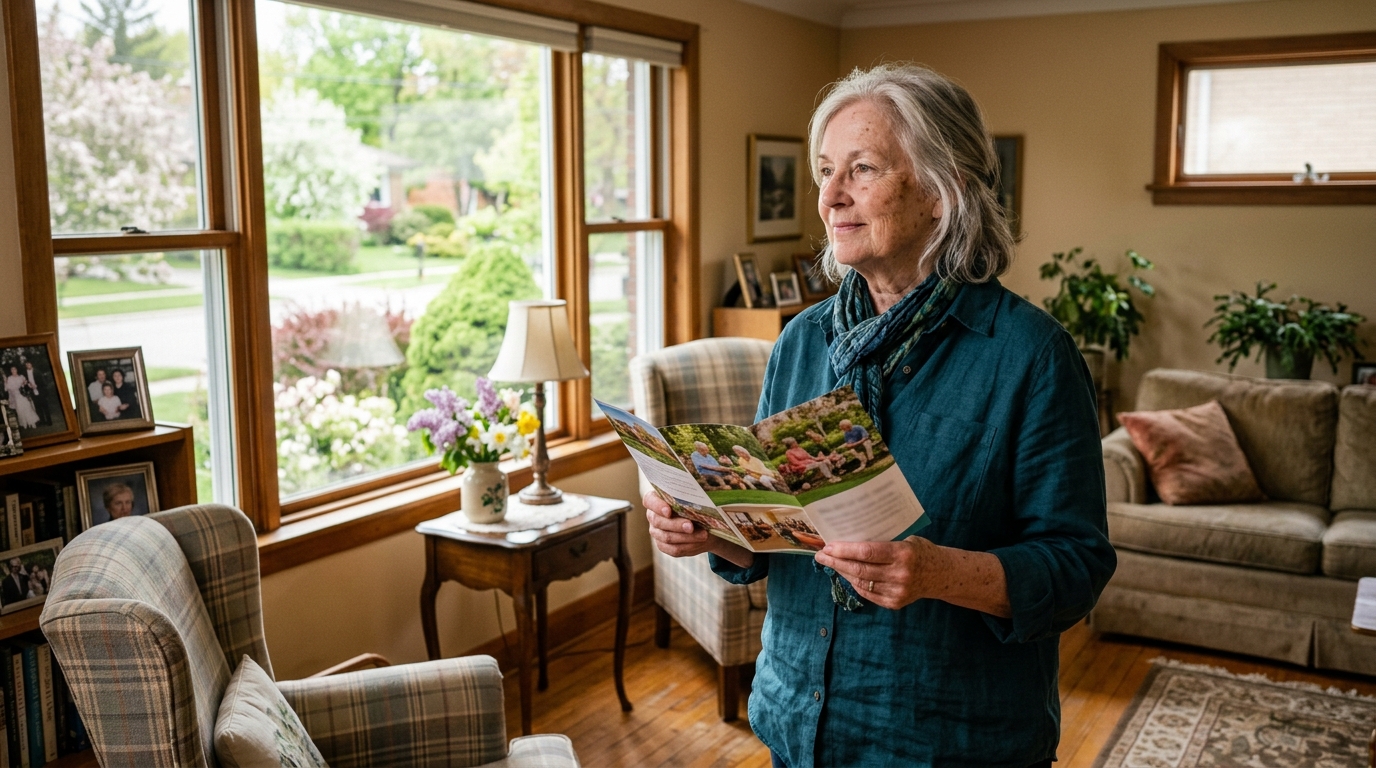
The Subsidized Senior Housing Waitlist Crisis in Ontario
Ontario's subsidized senior housing is permanently oversubscribed:
| City/Region | Average Wait Time | Monthly Rent (Subsidized) | Monthly Rent (Market Rate) | Annual Savings |
|---|---|---|---|---|
| Toronto | 5–7 years | $600–$1,200 | $2,500–$4,000 | $15,600–$40,800/year |
| Ottawa | 4–6 years | $650–$1,300 | $2,000–$3,500 | $16,200–$34,200/year |
| Hamilton | 3–5 years | $550–$1,100 | $1,800–$3,000 | $15,000–$29,400/year |
| London | 3–5 years | $600–$1,200 | $1,800–$3,000 | $14,400–$28,800/year |
| Kingston | 2–4 years | $650–$1,200 | $1,600–$2,800 | $11,400–$25,800/year |
The financial reality: A subsidized apartment costs $600–$1,300/month. Market-rate senior housing costs $2,500–$4,000/month. The annual savings are $15,000–$40,000.
The timing barrier: Your aging parent gets on the waitlist at age 75. They're finally housed at age 82. During those 7 years, they've paid $100,000+ in excess rent (or managed a deteriorating home). A reverse mortgage funds a strategic early entry into subsidized housing.
The Problem: "I'm on the Waitlist, But I Can't Wait"
Aging parents on subsidized housing waitlists face escalating challenges:
| Challenge | Impact | Timeline | Consequence |
|---|---|---|---|
| Home maintenance becomes unmanageable | Deferred repairs, home deterioration | Ongoing as mobility declines | Home value erosion; safety hazards |
| Isolation increases (can't easily visit community) | Mental health decline, depression | Years accumulating | Cognitive decline accelerates |
| One health event (fall, hospitalization) | Forced rapid transition | Sudden (crisis-driven) | Loses agency; emergency placement instead of chosen |
| Rent in private senior housing exhausts reserves | Monthly $3,000+ rent drains CPP/OAS | Monthly for 5–7 years | Depletes savings before subsidized housing opens |
| Adult children's stress from parental isolation | Family burden | Escalating over years | Caregiving demands increase |
The cruel paradox: By the time subsidized housing becomes available, your aging parent may have experienced health decline, cognitive changes, or financial depletion that makes the move harder, not easier.
A reverse mortgage breaks this trap by enabling early entry into subsidized housing.

How Reverse Mortgage Funds the Transition
The key insight: Your aging parent can move into subsidized housing before the family home sells. A reverse mortgage provides interim funding that bridges this gap:
| Timeline | Action | RM Funding | Outcome |
|---|---|---|---|
| Month 1–2 | Parent moves into subsidized housing; home remains unsold | Move costs ($5,000–$10,000) | Parent benefits from affordability, community, lower stress immediately |
| Month 3–6 | List and sell family home (strategic timing, not crisis) | None; sale proceeds repay RM | Home sold when market allows, not under deadline pressure |
| Month 6+ | From home sale, repay reverse mortgage balance | Sale proceeds ($1.0M–$1.5M) | RM debt cleared; parent retains remaining equity as capital |
Example: Your 78-year-old parent's home is worth $1.2M. Subsidized housing wait-list is 5 years; they'll be 83 when offered housing. A reverse mortgage provides $30,000 to move now, before health decline. The home sells within 6 months for market value. The $30,000 RM is repaid from sale proceeds. Your parent now lives affordably in community while home was sold at optimal timing (not forced/rushed).
Calculating the Strategic Move Costs
Downsizing to subsidized senior housing requires upfront funding:
| Cost Category | Typical Expense | Why Necessary |
|---|---|---|
| Moving company (full house → 1-bed apartment) | $4,000–$8,000 | Professional movers reduce injury risk |
| Apartment furnishing/setup (new community, new space) | $3,000–$7,000 | Furniture, kitchen items for subsidized unit |
| Utility deposits/connection fees | $500–$1,000 | Hydro, internet, phone setup |
| Professional downsizing (estate sale/donation coordination) | $1,500–$3,000 | Liquidate 60 years of household items |
| Address change/transition admin (legal, bank, etc.) | $200–$500 | Lawyer, service changes |
| Decorating/personalization (photos, familiar items) | $500–$1,500 | Make new apartment feel like home |
| Overlap period (if renting temp housing during transition) | $2,000–$4,000 | Bridge rent if home sale delays |
| Total Move Cost | $12,200–$25,000 | Enables dignified, managed transition |
A reverse mortgage of $25,000–$35,000 covers all these costs while preserving the adult child from bearing expenses.
The Emotional/Psychological Benefit: Choosing vs. Crisis
The deepest value of reverse mortgage-funded early transition isn't financial—it's autonomy:
Crisis transition: Health event → forced rapid move to first available housing (often not your choice) → loss of control → adjustment trauma
Planned transition: Reverse mortgage funds early move → choose your community → time to adjust → maintain agency and dignity
For aging parents who spent 60 years in a home, maintaining some control over the transition is profoundly important for mental health and quality of life.
Coordinating With Adult Children's Involvement
A reverse mortgage-funded move requires clear communication with adult children:
| Conversation Topic | Your Message | Expected Response |
|---|---|---|
| Why moving now (not waiting 5 years) | Home maintenance declining; isolation increasing; RM funds enable early access to affordable community | Support if child understands health motivation |
| Reverse mortgage details | I'm accessing $25,000 from home equity to fund move. Home will sell in 6 months; RM balance repaid. Your inheritance is unchanged. | Usually supported if explained clearly |
| Estate impact | The reverse mortgage reduces inheritance by ~$25,000 (plus modest interest). But you avoid 7 years of me being isolated in deteriorating home. I think this trade is wise. | Adult children typically agree |
| Your role in move | Can you help coordinate movers, downsizing decisions, settling into new community? | Children often relieved to help with execution |
Adult children often feel relief when an aging parent proactively moves rather than waiting for crisis placement.

Timing the Home Sale: Not Rushed, Not Indefinite
After your aging parent moves into subsidized housing, the family home should sell—but not under crisis pressure:
| Sale Timeline | Strategic Advantage | RM Management |
|---|---|---|
| Within 3–6 months (target) | Capitalizes on market while fresh, allows strategic pricing | RM balance modest; interest accrual minimal |
| 6–12 months (acceptable) | More time to stage, market, negotiate buyer | RM balance grows modestly; still manageable |
| 12–24 months (problematic) | Extended RM interest accrual; delay undermines financial efficiency | Growing RM balance erodes advantage |
| Indefinite hold (adult child can't let go) | Defeats purpose of reverse mortgage; creates long-term RM debt | Financial disaster |
A clear timeline (sell within 12 months) prevents the home sale from becoming indefinite delay. If adult children can't let go of the family home, reverse mortgage-funded early transition isn't the right strategy.
Tax Implications of Strategic Downsizing
Home sale tax treatment depends on principal residence designation:
| Scenario | Capital Gains Tax | RM Impact |
|---|---|---|
| Home was principal residence (most parents) | $0 tax; full proceeds to parent | RM repaid; remaining proceeds to parent |
| Home has non-principal-residence portion (rental unit, business space) | Capital gains tax on non-principal portion | RM repaid; taxes payable from remaining proceeds |
| Timing of home sale (same year as RM or following year) | Depends on tax filing year | Work with accountant on timing |
Consult a tax accountant before executing the move. The principal residence exemption saves your aging parent thousands in capital gains tax, but needs to be properly claimed.
According to CRA, "Principal residence exemptions are based on the year of sale and ownership history. Proper documentation at time of sale ensures the exemption applies fully."
Key Takeaways
- Strategic early transition to subsidized senior housing (funded by reverse mortgage, 5-10 years earlier than waitlist timeline) preserves aging parent's autonomy, mental health, and community access while preventing crisis-driven placement
- Reverse mortgage funds ~$25,000–$35,000 for move costs; home is sold within 6–12 months at optimal timing (not under pressure); RM is repaid from sale proceeds
- Planning the move before health crisis gives aging parents agency and dignity; they choose their community and timeline, not react to emergency
- Annual savings of $15,000–$40,000 in rent (subsidized vs. market) accumulates significantly; even 7 years of subsidized rent offset the modest reverse mortgage cost
- Adult children should understand that reverse mortgage-funded early transition benefits the whole family: parent lives better, home sells strategically, inheritance impact is minimal (modest RM balance only)
Frequently Asked Questions
If I move into subsidized housing early using a reverse mortgage, does that affect my subsidized housing eligibility?
No. Subsidized housing programs in Ontario are based on income (CPP/OAS), not assets. The reverse mortgage doesn't count as income and doesn't affect eligibility. Your move is faster because you're off the traditional waitlist, not because you're displacing others.
What if I move using RM funds, then the housing market crashes and my home sells for less than I owe on the reverse mortgage?
This is rare in Ontario's market, but possible. If home sells for $900,000 and you owe $30,000 in RM debt (original $25,000 + 2 years of interest), you simply pay the debt from proceeds ($900,000 - $30,000 = $870,000 net). The debt is manageable. If market drops dramatically, consult your accountant, but home equity rarely falls below RM balance owed.
If I move to subsidized housing but my adult child wants to preserve the family home, can I delay the sale indefinitely?
You could, but it defeats the reverse mortgage purpose. If the goal is early community move (not financial optimization), you need a timeline for home sale. If the goal is preserving the family home, reverse mortgage-funded transition isn't the right strategy; your child should explore buying you out instead.
Will moving to subsidized housing affect my OAS or GIS?
No. Moving homes and accessing reverse mortgage funds don't affect government benefits. Your income (CPP/OAS) remains unchanged. GIS is only affected by income, not assets or home changes.
How do I explain the reverse mortgage to my adult children without them thinking I'm being irresponsible?
Frame it honestly: "I'm in a deteriorating home that's isolating me. Subsidized housing has a 7-year waitlist. I'm accessing $30,000 from my home equity to move now into that housing while I'm still healthy enough to enjoy the community. The home will sell in 6 months, and the reverse mortgage is repaid. This is a strategic decision for my quality of life, and it actually improves inheritance by avoiding years of home decay and maintenance costs."
If I move to subsidized housing and then die 2 years later, what happens to the reverse mortgage?
The reverse mortgage becomes due when you die. Your estate pays it from home sale proceeds. If your home is sold for $1.0M and the RM balance is $35,000, your heirs receive ~$965,000. The RM is a manageable cost, not a disaster to the estate.
Ready to Learn More?
Find out exactly how much you could unlock from your home — free and no obligation.
Related Articles
Reverse Mortgage for Accessible Community Kitchen: Culinary Training and Aging in Place
Convert your home kitchen into an accessible commercial culinary training space. Reverse mortgage funds renovation while creating community impact.
Read →Reverse Mortgage to Launch Home-Based Tax Prep and Retirement Planning Business
Fund your home-based tax and retirement planning practice with a reverse mortgage. Serve aging Canadians while accessing home equity in Ontario.
Read →Reverse Mortgage for Retirement Community Entrance Fees: Active Adult Transitions
Fund retirement community move without forced downsizing. Ontario guide for 55+ aging in place now, transitioning later to active adult communities.
Read →