
Reverse Mortgage for Adult Child Caregiver Respite: Protecting the Primary Caregiver's Health
Fund regular respite care when adult child is your aging parent's primary caregiver. Reverse mortgage strategy for caregiver burnout prevention.
Your adult child is providing full-time care for your aging parent — but they're burning out. They're exhausted, isolated, and showing signs of depression. They can't afford professional respite care (which costs $15,000–$25,000/year), and you can't afford to watch them deteriorate. When adult children become primary caregivers, respite care isn't a luxury — it's essential prevention against caregiver collapse. A reverse mortgage can fund the respite care your family desperately needs.
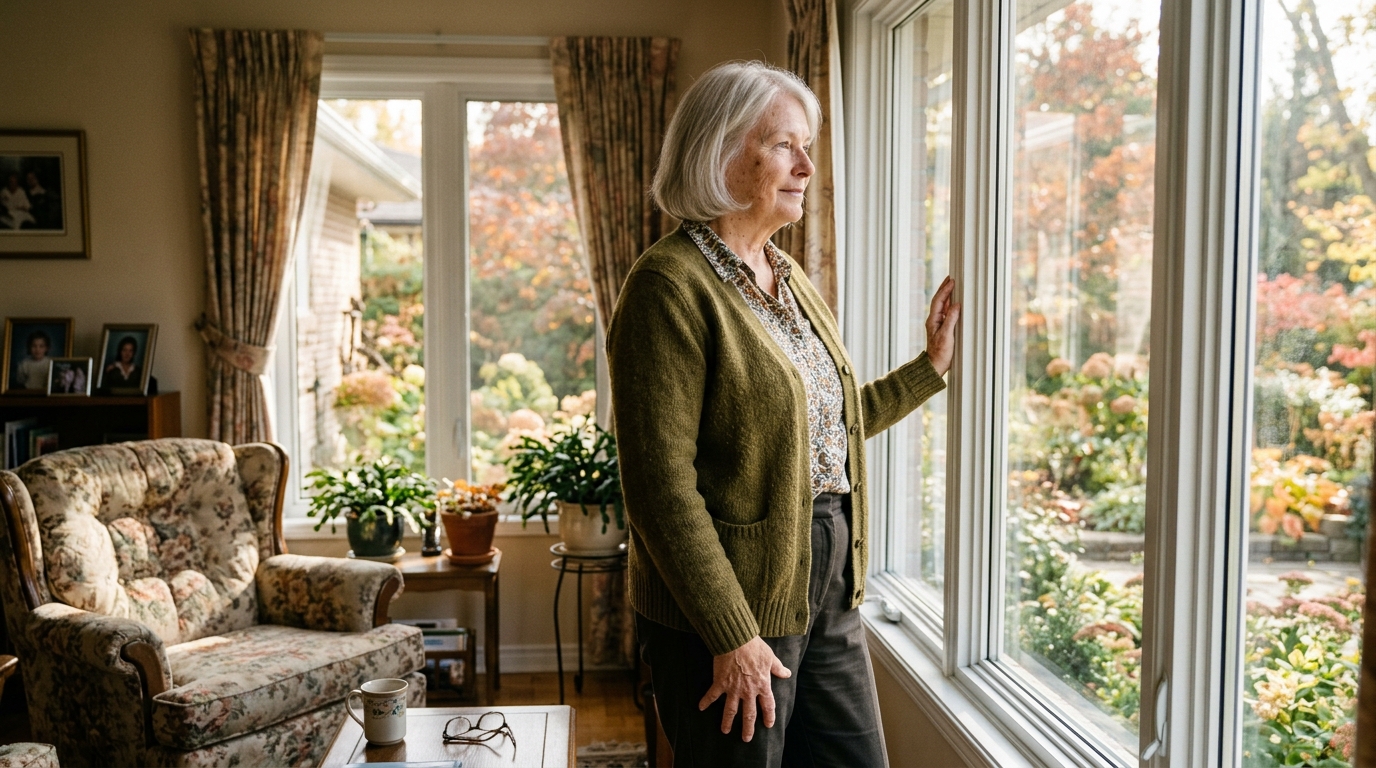
A reverse mortgage can fund regular respite care for your aging parent, giving your adult child caregiver regular breaks, preventing burnout, and preserving their health and employment. This protects both the caregiver and the aging parent.
Caregiver Burnout: The Hidden Crisis
Adult children providing full-time care face severe health risks:
Physical health impacts:
- 60% develop chronic pain or migraines from stress
- 50% have sleep disruption (insomnia or oversleeping)
- 40% develop hypertension from ongoing stress
- 30% experience serious illness (heart problems, cancer) within 2–3 years
Mental health impacts:
- 70% develop depression during caregiving years
- 60% experience anxiety disorders
- 50% report thoughts of suicide (not necessarily plans, but ideation)
- 40% become socially isolated (no time for friendships)
Employment impacts:
- 40% reduce work hours or leave jobs entirely
- 50% miss significant work days (days off for medical appointments)
- 30% are fired or forced to resign
- Career advancement is essentially impossible during active caregiving
Financial impacts:
- Average lifetime earnings loss: $300,000–$500,000
- Retirement savings depleted: Often $50,000–$100,000
- CPP contributions interrupted (long-term retirement reduction)
Relationships:
- 50% report marriage/partnership stress
- 40% experience family conflict with siblings
- 30% have estrangement from friends
- Caregiver isolation is profound
This isn't noble sacrifice — it's a health crisis. Respite care isn't selfish; it's survival.
The Respite Care Gap in Ontario
Respite care in Ontario is severely underfunded:
| Care Level | Professional Cost/Month | Government Coverage (Ontario) | Out-of-Pocket Gap |
|---|---|---|---|
| Day program/adult day care | $1,500–$2,500 | Partially covered (IHSS, if eligible) | $500–$1,500/month |
| Respite care (in-home aide) | $3,500–$5,000 | Not covered | Full $3,500–$5,000/month |
| Overnight respite (overnight supervision) | $5,000–$8,000 | Covered only if nursing-level care (rare) | $4,000–$7,000/month |
| Weekend respite program | $2,000–$3,500 | Limited funding for low-income families | $1,500–$3,000/month |
| Emergency respite (crisis overnight) | $2,500–$4,500/night | May be covered once per year | $2,500–$4,500/night |
The reality: A full respite care plan (20 hours/week of professional care) costs $15,000–$20,000/year. Most aging parent families cannot afford this, so adult children provide unpaid care and collapse from stress.
Case Study: James, 36, Caregiver for His Father With Dementia
James (36) is a project manager earning $75,000/year. His father (74) was diagnosed with early Alzheimer's disease in 2023. James's mother passed away 5 years ago. James is the only caregiver.
2023: Initial diagnosis
- Father can still manage basics but needs supervision (wandering risk, medication management)
- James reduces work hours to 30 hours/week (-$30,000/year)
- Hires modest home aide 10 hours/week ($600/month) = $7,200/year
2024: Progression
- Father's dementia worsens; needs more supervision
- James increases home aide to 20 hours/week ($1,200/month) = $14,400/year
- James now works 20 hours/week (other 20 hours is caregiving + home management)
- Household income down to $45,000/year; stress increasing
2024 Reality Check:
- James is exhausted, depressed, showing signs of caregiver burnout
- His manager suggests mental health support (workplace benefits cover counseling)
- Therapist says: "James, you're developing depression. You need regular breaks or you'll collapse"
- James says: "I can't afford respite care; dad's on limited income; I'm stuck"
Parents' situation (James's sister, living in BC):
- James's father has minimal income: CPP $1,100, OAS $700 = $1,800/month
- Father's home worth $520,000 (clear title; paid off decades ago)
- Sister in BC wants to help James but limited capacity
- Sister suggests: "Dad's home is valuable. Could you use reverse mortgage for respite care?"
Solution: Reverse mortgage
- Approve reverse mortgage on father's home: $120,000
- Dedicate $12,000/year to professional respite care funding
- Structure: 15–20 hours/week professional care (adult day program + in-home aide)
- Goal: James gets regular breaks; father stays home safely
New reality (2025):
- Father's care covered by professional aides (30 hours/week)
- James reduces caregiving from 40+ hours/week to 15–20 hours/week
- James returns to 35–40 hours/week work
- Household income recovers to $70,000/year
- James has social life back; depression improving
5-year outcome:
- Father remains at home safely; quality of life maintained
- James prevented burnout collapse (diagnosis would have forced institutional care for father)
- James's career trajectory recovered (not permanently derailed)
- Reverse mortgage balance: ~$125,000 (modest interest on $12K annual draws)
- Home equity: ~$395,000 (still significant for father's estate)
Without the reverse mortgage: James would have likely:
- Continued declining until hospitalization or mental health crisis
- Been forced to put father in care home (crisis admission)
- Suffered permanent career damage (employers don't easily re-hire caregivers after multi-year absence)
- Father would have experienced institutional care (more expensive, lower quality of life)
- Total cost: $80,000–$120,000/year for institutional care vs. $12,000/year reverse mortgage for respite
Types of Respite Care & Costs in Ontario
| Respite Type | Duration | Cost | Frequency | Impact |
|---|---|---|---|---|
| Adult day program | 6–8 hours/day | $50–$100/day | 2–3 days/week | Gives caregiver 2–3 full days; aging parent gets social activity |
| In-home respite aide | 4–8 hours/session | $25–$35/hour | 2–4 times/week | Flexible timing; caregiver can run errands, rest, work |
| Overnight respite (facility) | 24–48 hours | $200–$300/night | Monthly or quarterly | Gives caregiver full 24–48 hour break; may be stressful transition for aging parent |
| Temporary care home placement | 1–2 weeks | $2,500–$5,000 | 1–2 times/year | Extended break; good for vacations; requires pre-arrangement |
| Emergency respite | 24+ hours | $2,500–$4,500 | As-needed | For caregiver crises (illness, emergency); expensive but vital safety net |
| Combination plan | Mixed (2–3 types) | $12,000–$20,000/year | Ongoing | Optimal: regular respite (prevents crisis) + emergency backup |
Most effective model: 15–20 hours/week adult day program + 8–10 hours/week in-home respite = $12,000–$16,000/year. This prevents burnout while maintaining aging parent at home.
Reverse Mortgage vs. Other Respite Funding
| Funding Source | Access Speed | Cost | Best For |
|---|---|---|---|
| Reverse mortgage | 3–4 weeks | 5.5%–6.5% interest | Sustained respite (years of ongoing need); low-income aging parent |
| RRSP withdrawal (caregiver's) | Immediate | ~30% tax on withdrawal | One-time emergency respite; not sustainable |
| RRSP withdrawal (aging parent's) | Immediate | ~30% tax on withdrawal | Last resort; depletes retirement; not sustainable |
| Government respite programs | 4–12 weeks (waitlists) | Free or low-cost | If eligible; waitlists are long (6–12 month delays) |
| Caregiver salary (from aging parent's income) | Immediate | Uses aging parent's limited income | Only if parent has pension/income > basic needs |
| Sibling co-funding | Varies | Depends on arrangement | If siblings willing to contribute |
| Charitable organizations (disease-specific) | 2–4 weeks | Free/sliding scale | Some diseases (Alzheimer's, Parkinson's) have dedicated respite programs |
Reality: Most aging parents can't afford respite from their own income. Siblings rarely co-fund. Government programs have long waitlists. A reverse mortgage is often the only realistic funding source.
According to Caregiver Action Network and Alzheimer's Society Canada, 85% of adult child caregivers say respite care would extend their ability to care at home. Yet 60% report being unable to afford it. A reverse mortgage bridges this gap efficiently, preventing costly institutional care placements.
Reverse Mortgage Strategy for Caregiver Respite
Phase 1: Burnout Recognition (Month 1–3)
- Adult child, family, or therapist recognizes caregiver burnout signs
- Discuss: Is respite care possible? What type? How often?
- Assess: Aging parent's home equity (reverse mortgage is secured to this)
- Investigate: What respite programs exist locally (adult day programs, respite aides, etc.)?
Phase 2: Reverse Mortgage Application (Month 4–6)
- Aging parent applies for reverse mortgage (registered on their home)
- Amount: Sufficient for 1–2 years of sustained respite ($24,000–$40,000 typical)
- Structure: Line of credit (draws as respite is used, not lump sum)
- Timeline: 3–4 weeks to funding
Phase 3: Respite Implementation (Month 7+)
- Arrange respite care (day program enrollment, in-home aide hiring, scheduling)
- Adult child begins taking regular breaks (weekly or bi-weekly respite time)
- Monitor: Caregiver health improves? Burnout decreases?
- Aging parent's experience: Adjustment to respite providers (may take 4–6 weeks)
Phase 4: Sustainable Rhythm (Year 2+)
- Respite care becomes routine; both caregiver and aging parent adjust
- Adult child's health stabilizes; depression/anxiety improves
- Career or personal life can restart (social engagement, hobbies, work recovery)
- Reverse mortgage draws continue indefinitely or until caregiver no longer needed
Phase 5: Long-term Stability (Year 3+)
- Caregiver role may change (aging parent transitions to facility, passes, or becomes more independent)
- Respite care needs may decrease
- Reverse mortgage may be repaid over time or continued for other aging parent needs
- Caregiver's health and career have been protected
Measuring Respite Success
For adult child caregiver:
- ✓ Sleep improves (back to 7–8 hours/night)
- ✓ Depression/anxiety symptoms decrease
- ✓ Social life resumes (sees friends, engages in hobbies)
- ✓ Work performance stabilizes (no more constant stress)
- ✓ Marriage/partnership improves (time for relationships)
- ✓ Sense of purpose remains (not abandoning aging parent, just protecting self)
For aging parent:
- ✓ Adjustment to respite providers completes (accepts care givers)
- ✓ Quality of life maintained or improved (social activity through day program)
- ✓ Safety maintained (professional supervision)
- ✓ Home placement continues (not forced to institutional care)
- ✓ Relationship with adult child improves (less resentment from burned-out caregiver)
For the family system:
- ✓ Sibling relationships improve (burden shared more fairly, if respite funded from shared home equity)
- ✓ Family gatherings become possible again (caregiver has mental/physical energy)
- ✓ Crisis interventions decrease (proactive respite prevents emergency hospitalizations)
If respite isn't improving these outcomes, adjust the plan — wrong type of respite, scheduling issues, aging parent adjustment difficulties.
Key Takeaways
✓ Caregiver burnout is a health crisis — not weakness or lack of dedication ✓ Respite care prevents institutional placement — far more expensive than respite funding ✓ Reverse mortgage funds sustained respite efficiently — no monthly payments; flexible draws ✓ 15–20 hours/week respite is sustainable — prevents collapse without abandoning care ✓ Government respite programs exist but have waitlists — reverse mortgage bridges the gap ✓ Both caregiver AND aging parent benefit — safer environment, better relationships ✓ This is injury prevention, not indulgence — it's essential health care
Frequently Asked Questions
If I'm the aging parent, should I feel guilty about needing respite care funding?
No. Respite care isn't because you're a burden — it's because caregiving is hard work. Respite care enables your adult child to continue caring for you longer and more lovingly. You're protecting both of you by accepting it.
Can I structure respite funding so my adult child doesn't feel like they're "using my home equity"?
Yes. Frame it clearly: "This is for both of us — to keep you healthy so you can care for me. It's not a loan; it's what we need." The reverse mortgage is your decision, not theirs. They don't owe you.
What if my adult child refuses respite care (too proud, feels like abandoning me)?
This is common. Reframe: "I'm not leaving you; I'm getting stronger to care for you better. Burnout helps nobody." Consider family therapy to process caregiving guilt. Many therapists specialize in this. It's worth $1,500–$2,000 investment.
How long does respite care take to "work"? When will I see improvement?
Most caregivers show mood improvement within 2–4 weeks. Sleep and anxiety improve after 4–8 weeks. Depression typically improves over 3–6 months if respite is consistent. Don't expect instant change; healing is gradual.
What if respite care providers don't work out (aging parent doesn't trust them)?
This happens. Adjustment takes 4–6 weeks with the same provider (trust builds over time). If a provider truly isn't working, switch and give the new person time. Don't assume one bad day means the whole system is broken.
Can respite funding also cover the adult child's lost income if they need to take time off?
Not directly (reverse mortgage funds care, not lost wages). However, if respite reduces caregiving hours significantly, adult child may return to more hours at work, recovering lost income that way. The respite creates space for income recovery.
What if my adult child dies or becomes disabled themselves?
Plan for succession: Who becomes the backup caregiver? If the adult child must step away due to their own health crisis, reverse mortgage funds can temporarily hire full-time care or facilitate transition to facility. Discuss contingencies now.
Ready to Learn More?
Find out exactly how much you could unlock from your home — free and no obligation.
Related Articles
Reverse Mortgage for Aging Caregivers: Managing Your Health While Supporting Others
Aging caregivers need financial support too. Fund respite care, wellness, and medical needs while caring for aging parents or relatives.
Read →Reverse Mortgage for Caregiver Respite: Funding Your Break From Caregiving
Fund respite care and stress relief for family caregivers using a reverse mortgage. Caregiver wellness and burnout prevention in Ontario.
Read →Reverse Mortgage for Aging in Place With Fibromyalgia: Home Modifications for Invisible Illness
Fund home modifications for aging with fibromyalgia. Reverse mortgage enables accessible design for pain management, energy conservation, and quality of life.
Read →