
Reverse Mortgage for Smart Home Technology: Aging in Place Safety
Fund smart home safety systems with a reverse mortgage. Install fall detection, voice controls, and monitoring systems for secure aging in place in Ontario.
Are you concerned about staying safe at home as you age, but worried about the cost of smart home technology? Modern safety systems—from fall detection to voice-activated controls—can cost $8,000 to $25,000 installed. A reverse mortgage makes these life-saving upgrades affordable without draining your retirement savings.
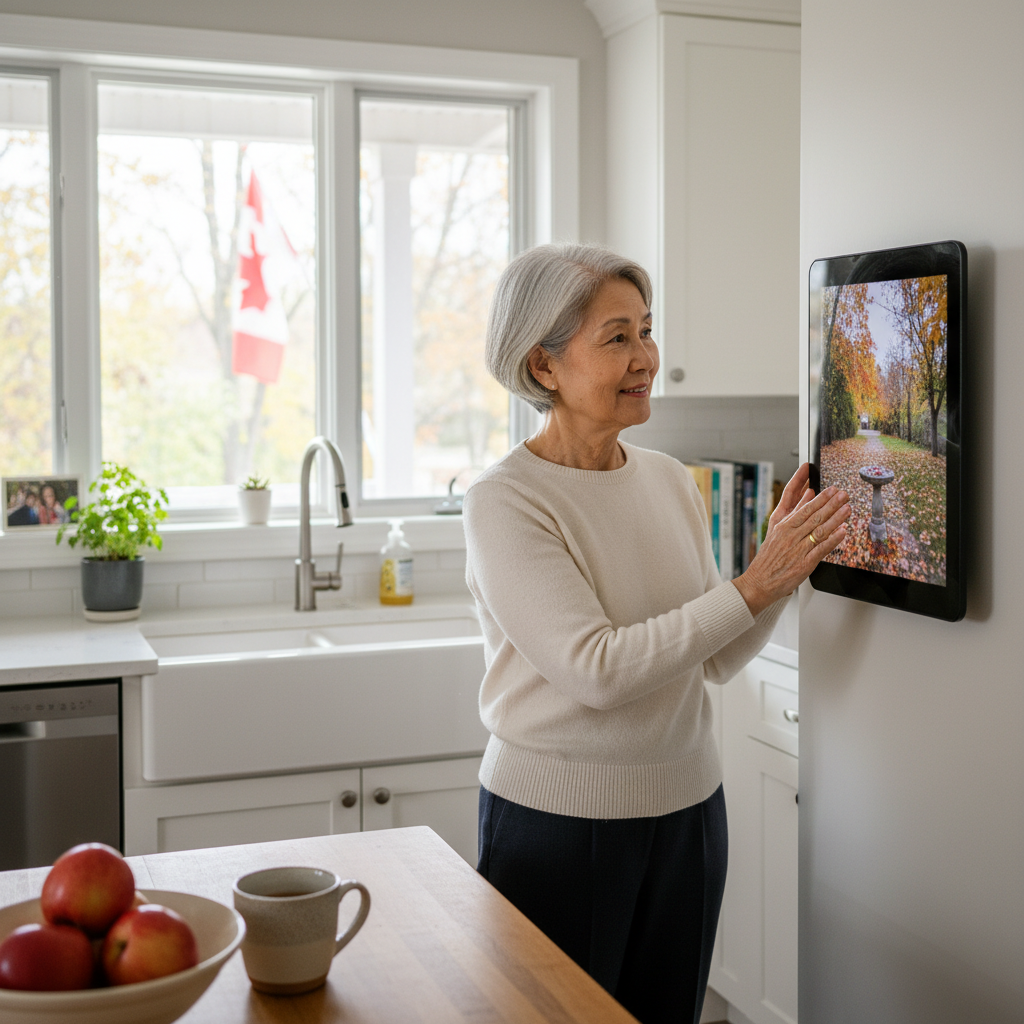
Why Smart Home Technology Matters for Ontario Seniors
Aging in place is the goal for most Canadian seniors. According to the Canadian Institute for Health Information, over 80% of seniors 65+ prefer to remain in their own homes rather than move to assisted living or nursing homes. But safety is the constant concern.
Falls are the leading cause of injury-related death among Canadians aged 65+, costing the healthcare system nearly $2.3 billion annually. Beyond falls, seniors face risks from:
- Medication errors (forgetting doses or taking wrong medications)
- Wandering (especially for those with cognitive decline)
- Poor indoor air quality (temperature, humidity, air pollution)
- Fire and smoke detection gaps
- Isolation (lack of easy communication with family)
Smart home technology addresses all of these risks. And for Ontario homeowners 55+, a reverse mortgage provides the capital to install these systems without lifestyle compromise.
What Smart Home Systems Cost in Ontario
Here's a realistic breakdown of smart home technology costs for aging in place:
| Technology | Cost Range | What's Included |
|---|---|---|
| Fall detection wearable system | $1,000–$3,000 | Device + 24/7 monitoring service (annual) |
| Smart doorbell + security cameras | $800–$2,500 | Video doorbell, 2-4 interior cameras, cloud storage |
| Voice assistant ecosystem (Alexa, Google) | $500–$1,500 | Hub device, smart speakers in key rooms |
| Smart lighting system | $1,200–$3,000 | Motion-activated lights, brightness control |
| Smart thermostat + air quality | $400–$1,200 | Temperature control, air quality monitoring |
| Medication reminder system | $300–$800 | Automated pill dispenser with alerts |
| Bed and chair pressure sensors | $800–$1,500 | Alerts family if person falls or wanders |
| Smart door locks + motion sensors | $600–$1,500 | Keyless entry, occupancy tracking |
| Professional installation | $2,000–$5,000 | Wiring, setup, training |
| Annual monitoring/subscription fees | $500–$2,000 | Emergency response, cloud storage, app access |
| Total for Comprehensive System | $8,000–$22,500 | Integrated, whole-home safety |

For many seniors, this upfront cost is prohibitive. A reverse mortgage allows you to access home equity and spread the cost over time—with no monthly payments required.
How Smart Home Technology Enables Aging in Place
When properly installed, smart home systems create a "safety net" that allows seniors to live independently longer. Here's how:
Fall Detection and Response
Modern wearable devices detect falls using accelerometers and can automatically alert emergency contacts or monitoring services. Many fall detection systems can distinguish between falling and quickly sitting down, reducing false alarms.
Medication Management
Automated dispensers remind you when to take medications and alert family or caregivers if doses are missed. This is especially important for seniors managing multiple prescriptions.
Environmental Control
Smart thermostats prevent dangerously cold or hot homes. Air quality monitors detect smoke, carbon monoxide, and poor ventilation—risks that are often invisible to aging senses.
Communication and Connection
Voice-activated systems allow seniors to make calls, set reminders, or request help without using phones or computers. This keeps them connected to family and emergency services.
Activity Monitoring
Pressure sensors and motion detectors can alert caregivers to unusual patterns—like not getting out of bed at normal times—which may indicate illness or a problem.
Comparing Funding Options for Smart Home Setup
How does a reverse mortgage stack up against other ways to fund smart home technology?
| Funding Method | Interest Cost | Monthly Payment | Tax Impact | Accessibility |
|---|---|---|---|---|
| Reverse Mortgage | 6.5–7.5% | None | None | Easy (no income check) |
| Home Equity Line of Credit | 6.5–8% | Interest-only | None | Harder (needs income verification) |
| Personal Loan | 8–12% | Fixed monthly | None | Variable (credit dependent) |
| RRSP Withdrawal | N/A | None | 20–50% tax | Easy but costly |
| Savings/Cash | 0% | None | None | Only if available |
According to Statistics Canada, the average household 65+ has only $15,000 in liquid savings—not nearly enough for a comprehensive smart home system. A reverse mortgage fills this gap without forcing retirees to sell their homes or deplete emergency reserves.

Ontario Lenders Who Support Smart Home Funding
Several major reverse mortgage lenders in Ontario support home technology upgrades:
- CHIP Reverse Mortgage: Offers flexible access with line-of-credit features
- Equitable Bank: Known for fast approval and competitive rates
- Bloom Financial: Provides personalized solutions for aging in place
- Home Trust: Supports multiple draw options for phased upgrades
Each lender has slightly different rates and terms. Getting multiple quotes ensures you find the best fit.
Real-Life Example: James' Safety Upgrade in Hamilton
James, 74, lived alone in his Hamilton home after his wife passed. His adult daughter worried constantly about falls and medication compliance. She researched smart home systems and found a comprehensive package that would cost $18,000 to install.
James didn't want to burden his daughter financially, and he was reluctant to downsize. Instead, he explored a reverse mortgage. His home was valued at $480,000, and he could access up to $240,000. He borrowed $18,000 for the smart home system.
The system included:
- Fall detection wearable device ($2,000)
- Security cameras and smart doorbell ($2,000)
- Voice-activated controls ($1,500)
- Smart lighting and thermostat ($2,500)
- Medication reminder system ($800)
- Professional installation and 24/7 monitoring service ($4,000)
- One year of monitoring fees ($3,200)
Within the first month, the system paid for itself in peace of mind. James' daughter could check on him remotely and be alerted if his activity patterns changed. More importantly, James remained independent and in control of his own life.
Three months into the system, the fall detection device actually worked—James had a minor fall in his bathroom, the system detected it, and emergency services arrived within 15 minutes. He avoided a hospital stay by being found quickly.
Strategic Benefits of a Reverse Mortgage for Smart Home
1. No Monthly Payments = Predictable Retirement Budget
Unlike a HELOC or personal loan, a reverse mortgage has no required monthly payments. This is crucial for fixed-income retirees who need budget certainty.
2. Peace of Mind for Your Family
When your children know you have fall detection and monitoring systems in place, they worry less about your safety. This is priceless.
3. Extended Independence
Research shows that seniors who stay in their own homes with proper support systems live longer and have better mental health outcomes than those forced into assisted living early.
4. Potential Health Cost Savings
Preventing even one fall can save thousands in healthcare costs. A reverse mortgage for smart home tech is, in effect, preventive medicine funding.
5. Staged Installation is Possible
With a reverse mortgage line of credit, you can install systems gradually—fall detection first, then security cameras, then comprehensive monitoring. This spreads costs over time.
Tax and Benefit Implications
Good news: a reverse mortgage used for home improvements has no tax consequences.
According to the Canada Revenue Agency (CRA), funds borrowed against your home for home improvements are not taxable income. Additionally, reverse mortgage proceeds do not count as income for calculating OAS clawbacks or GIS eligibility, so your government benefits are not affected.
If your smart home system costs are covered by your provincial health insurance or disability support programs, check whether those programs can reimburse a portion. Speak with a financial advisor about your specific situation.
Choosing the Right Smart Home System for Your Needs
Not everyone needs every system. Here's a simple framework:
Essential (should be priority #1):
- Fall detection wearable + monitoring service
- Medication reminder system
- Smoke and carbon monoxide detectors (often smart now)
High-Value (strongly recommended):
- Voice-activated assistant (hands-free help)
- Smart lighting (prevents trips and falls)
- Door locks and security monitoring
Nice-to-Have (if budget allows):
- Bed pressure sensors
- Air quality monitoring
- Advanced motion detection
Start with essentials and add more as budget allows. A reverse mortgage line of credit lets you do this gradually.
Questions to Ask Your Reverse Mortgage Lender
- Can I access funds in stages (smaller initial draw, then more later)?
- Is there a line-of-credit feature for flexibility?
- What are the exact interest rates and fees?
- Are there prepayment penalties if I want to repay early?
- How long does the approval process take?
- Can I involve my family in discussions?
Speak with Rick Sekhon, a licensed reverse mortgage specialist in Ontario, for a free consultation. He can help you understand your borrowing capacity and connect you with the best lender for your smart home goals.
Frequently Asked Questions
Will smart home technology help me stay home instead of moving to assisted living?
Often yes. Fall detection, medication management, and monitoring systems significantly extend the time seniors can safely live independently. However, these systems are not a substitute for personal care or daily assistance if you develop serious health issues. Use them as part of a broader aging-in-place plan.
What if I don't want cameras in my home?
You have full control over which systems to install. Many seniors opt for fall detection and medication reminders without security cameras. Customize your system to your comfort level.
Can my family members monitor my safety?
Yes. Most smart home systems have apps that allow designated family members to check on you and receive alerts. You control who has access.
Does a reverse mortgage affect my OAS or GIS?
No. Reverse mortgage proceeds are not considered income, so they don't trigger OAS clawbacks or affect GIS eligibility. Speak with a tax professional about your specific situation.
What if I move to long-term care? What happens to the smart home system?
The reverse mortgage becomes due if you move to long-term care. The sale proceeds or your family's inheritance would be used to repay the loan. The smart home equipment itself becomes part of your estate or can be removed if desired.
Can renters use reverse mortgages for smart home tech?
No. Reverse mortgages are only available to homeowners, as they're secured against your home's equity. Renters might explore personal loans or discuss smart home costs with their landlords.
Conclusion: Safety, Independence, and Peace of Mind
Smart home technology is no longer a luxury—it's a practical tool for staying safe and independent at home. For Ontario seniors, a reverse mortgage makes these life-saving systems affordable without lifestyle compromise.
By funding smart home installation now, you're investing in years of independent living, family peace of mind, and measurable health benefits. The cost is modest compared to the value of remaining in your own home.
Ready to explore reverse mortgage options for smart home aging in place? Get your free Ontario Reverse Mortgage Guide →
Ready to Learn More?
Find out exactly how much you could unlock from your home — free and no obligation.
Related Articles
Reverse Mortgage for Home Accessibility: Age in Place Renovations
Fund accessibility renovations and aging-in-place modifications using reverse mortgage proceeds in Ontario.
Read →Aging in Place with a Reverse Mortgage: Home Modification Guide
How Ontario seniors can fund aging-in-place home modifications with a reverse mortgage — costs, top modifications, grants, and a complete planning guide.
Read →Reverse Mortgage for Healthcare Costs: Aging in Place in Ontario
How Ontario seniors use a reverse mortgage to fund home care, medical equipment, prescriptions, and healthcare expenses — and stay in their home longer.
Read →