
Reverse Mortgage for Seasonal Property Accessibility: Aging Snowbirds in Ontario
Split-season living creates unique aging accessibility challenges. Learn how reverse mortgages fund modifications for Ontario snowbirds.
Can you afford to keep your winter escape while aging safely in both locations? Many Ontario retirees split their time between a primary home and a cottage or Florida property, but aging bodies need accessibility modifications in both places. A reverse mortgage can fund the modifications that let you maintain your seasonal lifestyle without choosing between your two homes.
Understanding Seasonal Property Accessibility Challenges
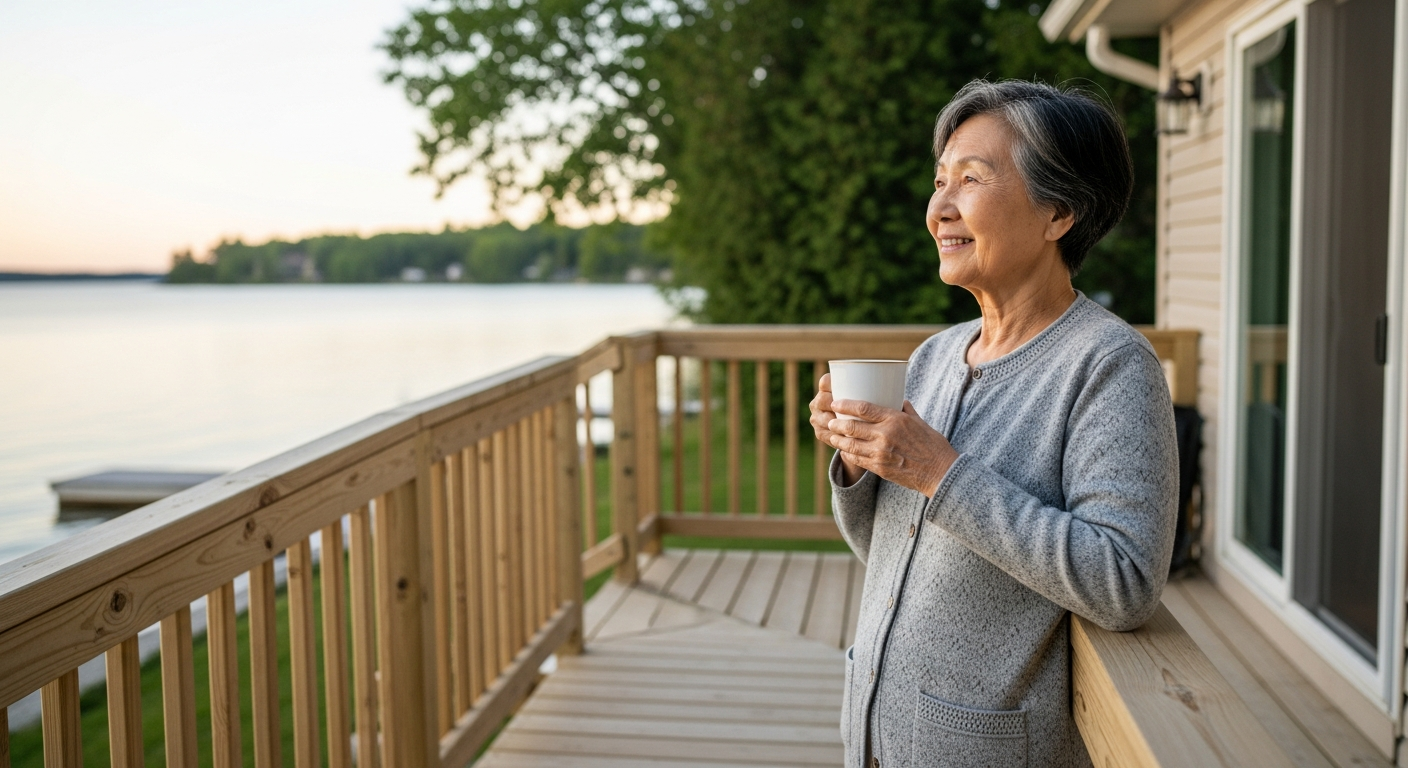
Seasonal properties create a unique challenge for aging in place. Unlike permanent residences where you live year-round and modify gradually, seasonal homes require coordinated accessibility work in two separate locations. Seasonal accessibility means modifying both your primary home and your vacation property to accommodate mobility changes, ensuring neither location becomes a safety liability as you age. This often costs significantly more than modifying a single home, yet most retirees don't budget for it.
The problem intensifies when you factor in travel between properties. If you have mobility challenges, arthritis, or balance concerns, the physical demands of seasonal transitions—packing, driving/flying, unpacking—add stress that can trigger accidents. That's before you even arrive at a property that may have stairs, difficult bathroom layouts, or poor lighting.
The Hidden Costs of Seasonal Property Modifications
Modifying two homes means two sets of renovation costs, contractor fees, and professional assessments. You're not just paying for grab bars and ramp installation; you're paying for this work twice—once in Ontario and once in your seasonal location.
| Accessibility Modification | Ontario Primary Home | Seasonal Property | Combined Cost |
|---|---|---|---|
| Bathroom safety retrofit (grab bars, accessible shower, raised toilet) | $3,500–$6,000 | $3,500–$6,000 | $7,000–$12,000 |
| Ramp installation (one entrance) | $2,000–$4,500 | $2,000–$4,500 | $4,000–$9,000 |
| Kitchen accessibility upgrades | $4,000–$8,000 | $4,000–$8,000 | $8,000–$16,000 |
| Flooring and threshold removal | $2,500–$5,000 | $2,500–$5,000 | $5,000–$10,000 |
| Lighting and visibility upgrades | $1,500–$3,000 | $1,500–$3,000 | $3,000–$6,000 |
| Stair lifts or elevators | $3,000–$15,000 | $3,000–$15,000 | $6,000–$30,000 |
| TOTAL RANGE | $16,500–$41,500 | $16,500–$41,500 | $33,000–$83,000 |
For many Ontario retirees, this $33,000 to $83,000 expense is beyond their savings or mortgage-free equity strategy. A reverse mortgage solves this by tapping your home's equity to fund modifications in both locations without selling either property.
How Reverse Mortgages Work for Seasonal Property Owners
A reverse mortgage is specifically designed for your primary residence—the home you own outright and where you live most of the year. You cannot get a reverse mortgage on a cottage, vacation property, or second home. However, the funds you borrow against your primary home can be used for any purpose, including accessibility upgrades to your seasonal properties.
Key Steps:
- Apply for a reverse mortgage on your primary Ontario home (the one you own free and clear or with minimal mortgage debt)
- Borrow a lump sum or set up a line of credit based on your home's equity and age (55+)
- Use the funds to modify both your primary home and seasonal property
- No repayment required during your lifetime—the loan is settled when you sell or your estate sells the home
Rick Sekhon Reverse Mortgages can help you navigate this strategy, ensuring you borrow enough to cover both locations without over-extending.

Comparing Reverse Mortgage Options for Seasonal Lifestyle Funding
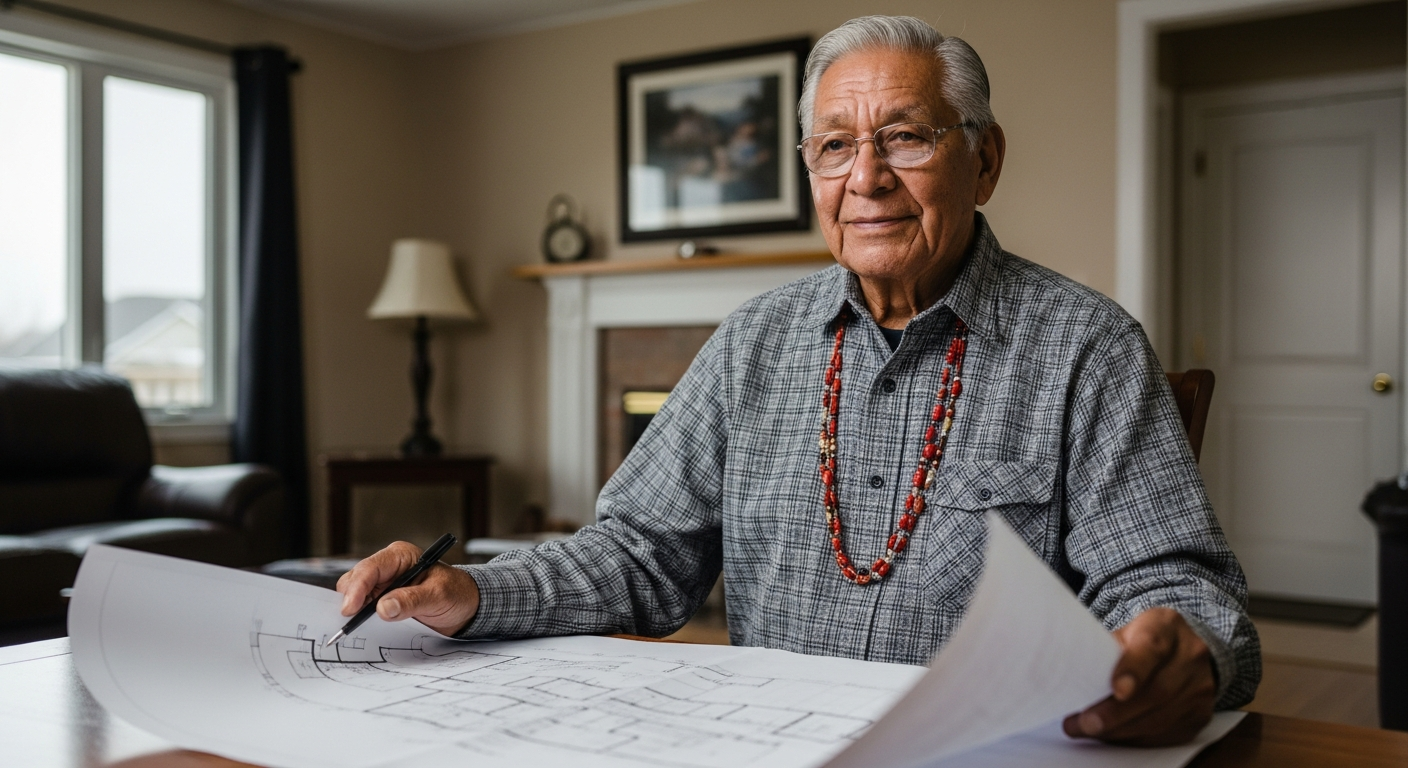
Different lenders offer different approaches for larger projects like dual-property modification. Here's how major Canadian reverse mortgage providers compare:
| Lender | Best For | Line of Credit Option | Flexibility for Seasonal Projects |
|---|---|---|---|
| CHIP (Canada Home Income Plan) | Flexibility and simplicity | Yes, optional | Excellent—can draw as needed for each property |
| HomeEquity Bank | Quick approval and lower fees | Yes | Very good—no restrictions on use |
| Equitable Bank | Competitive rates | Yes | Good—but requires documentation of scope |
| Bloom Financial | Lifetime rate guarantees | Limited | Fair—better for lump-sum approach |
| Home Trust | Active retirees | Yes | Good—designed for retirees with multiple properties |
The line of credit option is typically best for seasonal owners. Instead of receiving one lump sum, you can draw funds as needed—first for Ontario modifications, then later for seasonal property work. This helps manage project staging and cash flow.
Planning a Two-Property Accessibility Upgrade Timeline
Rushing both renovations simultaneously stresses budgets and contractors. Most financial advisors recommend a phased approach:
| Year | Activity | Estimated Cost |
|---|---|---|
| Year 1 | Complete priority safety modifications to primary Ontario home (bathroom, entry) | $8,000–$15,000 |
| Year 2 | Complete seasonal property priority modifications (bathroom, accessibility entry) | $8,000–$15,000 |
| Year 3+ | Secondary improvements and upgrades in either location as needed | $5,000–$10,000/year |
This timeline allows you to:
- Adjust to modified spaces before tackling the second property
- Test modifications and refine design for the second location
- Spread costs across available credit
- Avoid contractor bidding wars and rush premiums
Key Takeaways
- Seasonal property ownership requires accessibility modifications in two locations, potentially costing $33,000–$83,000 combined
- A reverse mortgage on your primary Ontario home can fund modifications to both properties without requiring home sale
- Line of credit options offer flexibility, letting you draw funds for each location as projects progress
- CHIP, HomeEquity Bank, and Home Trust all support active retirees with seasonal lifestyles
- Rick Sekhon Reverse Mortgages can help structure a strategy that preserves both homes while funding accessibility
- Phased upgrades over 2–3 years reduce stress and allow you to test modifications before investing in the second property
Frequently Asked Questions
Can I get a reverse mortgage on my seasonal property instead of my primary home?
No. Reverse mortgages in Canada are only available on primary residences where you own the property free and clear (or nearly so). However, funds borrowed against your primary home can legally be used for any purpose, including seasonal property improvements.
What if my primary home isn't worth enough to cover both properties' modifications?
If your Ontario primary home's equity falls short, you have options: borrow what you can and finance remaining work through a line of credit on the seasonal property (if possible), phase renovations over multiple years, or prioritize modifications by safety risk. Rick Sekhon can model scenarios based on your home values.
Will a reverse mortgage on my primary home affect my ability to use the seasonal property?
No. The reverse mortgage is only registered against your primary home. Your seasonal property remains unencumbered, and you can continue using it, renting it out (if appropriate), or even selling it independently if circumstances change.
How long does it take to set up a reverse mortgage before I can access funds for renovations?
Most reverse mortgages close in 30–45 days in Ontario, though FSRAO's cooling-off period requires you to wait at least 2 days after receiving your independent legal advice. Once closed, you can access funds immediately. Plan this timeline when scheduling contractors.
What happens to my reverse mortgage if I spend most of the year in my seasonal property?
You must maintain your primary Ontario home as your principal residence (occupy it for at least some portion of the year). If you permanently relocate to your seasonal property or sell your primary home, the reverse mortgage becomes due. However, seasonal splits (winter in Florida, summers in Ontario) are acceptable.
Are there grants to help with seasonal property accessibility modifications?
Ontario offers the Accessible Home Ontario Grant (AHOG) for primary residences, but seasonal properties may not qualify. However, some provinces (if your seasonal property is in BC or Alberta) have their own accessibility grants. Check with Rick Sekhon about location-specific programs that might reduce your borrowing needs.
Ready to fund accessibility modifications in both homes? Contact Rick Sekhon Reverse Mortgages today. We'll assess your primary home's equity, explore line of credit options, and design a funding strategy that keeps you safe and mobile in both locations. Call today for a free consultation.
Ready to Learn More?
Find out exactly how much you could unlock from your home — free and no obligation.
Related Articles
Reverse Mortgage for Aging in Place With Fibromyalgia: Home Modifications for Invisible Illness
Fund home modifications for aging with fibromyalgia. Reverse mortgage enables accessible design for pain management, energy conservation, and quality of life.
Read →Reverse Mortgage for Accessible Community Kitchen: Culinary Training and Aging in Place
Convert your home kitchen into an accessible commercial culinary training space. Reverse mortgage funds renovation while creating community impact.
Read →Reverse Mortgage to Launch Home-Based Tax Prep and Retirement Planning Business
Fund your home-based tax and retirement planning practice with a reverse mortgage. Serve aging Canadians while accessing home equity in Ontario.
Read →