
Reverse Mortgage for Seasonal Affective Disorder: Managing Winter Mental Health
Discover how reverse mortgages can fund seasonal mental health strategies, from light therapy to winter escapes, helping Ontario seniors 55+ stay healthy year-round.
Does winter depression keep you homebound each year? Seasonal affective disorder (SAD) affects many Canadians, and for seniors on fixed incomes, managing the condition can feel financially impossible. A reverse mortgage can provide the flexibility to invest in treatments and lifestyle adjustments that genuinely improve mental health during Ontario's long, dark winters.
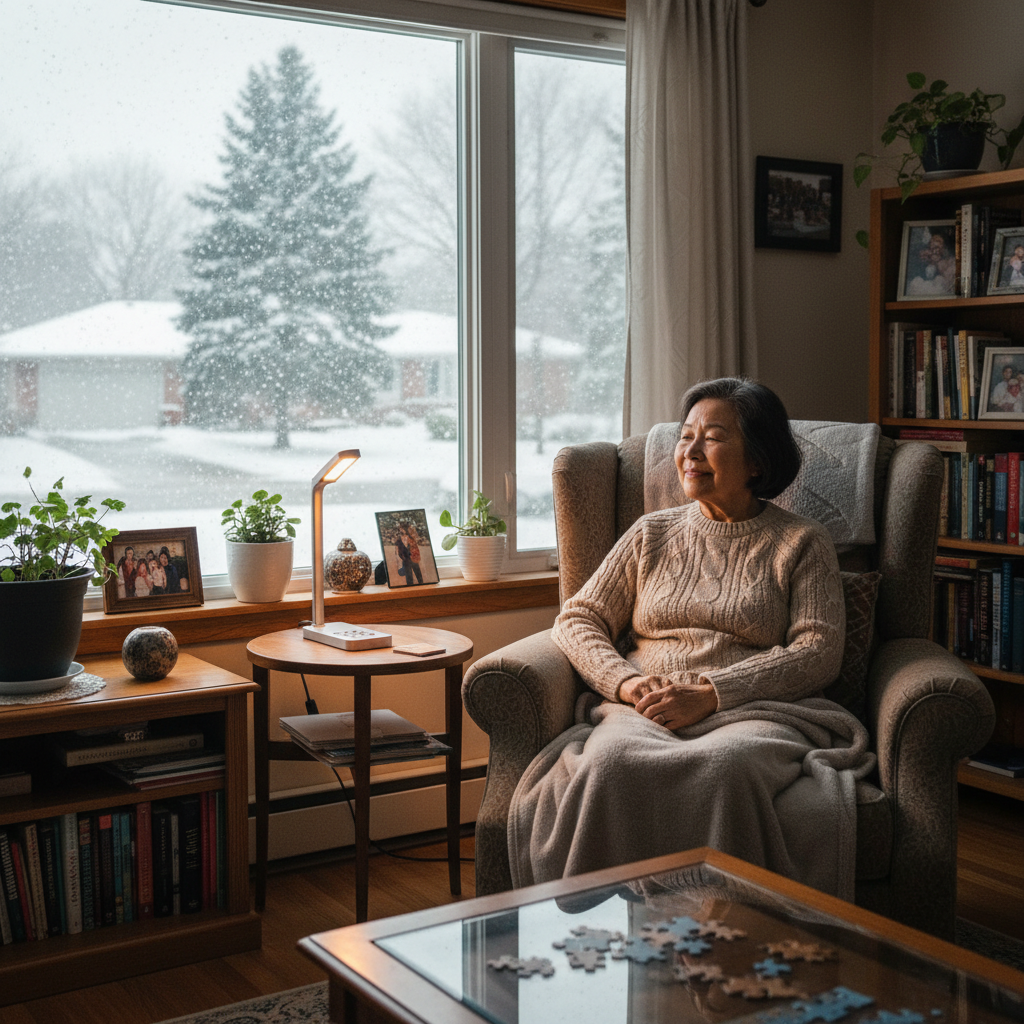
What Is Seasonal Affective Disorder and How Does It Impact Seniors?
Seasonal affective disorder (SAD) is a type of depression that occurs in a seasonal pattern, typically beginning in fall or winter and resolving in spring. According to the Canadian Mental Health Association, approximately 2-3% of Canadians experience SAD, with another 15% experiencing milder "winter blues." For seniors managing existing health conditions, SAD can complicate recovery, increase isolation, and reduce motivation for physical activity—all critical factors for aging in place.
Unlike younger adults who can shift their work arrangements or travel schedules, seniors with fixed incomes often feel trapped by the financial burden of SAD treatments. A reverse mortgage removes this barrier by providing accessible funds for proven interventions.
Light Therapy and Professional Treatment: Investment in Wellness
The most evidence-based treatment for SAD is light therapy, using bright light exposure to regulate circadian rhythms. However, quality therapeutic light boxes cost $200–$800, and professional light therapy sessions (available in specialized clinics) can run $150–$300 per session.
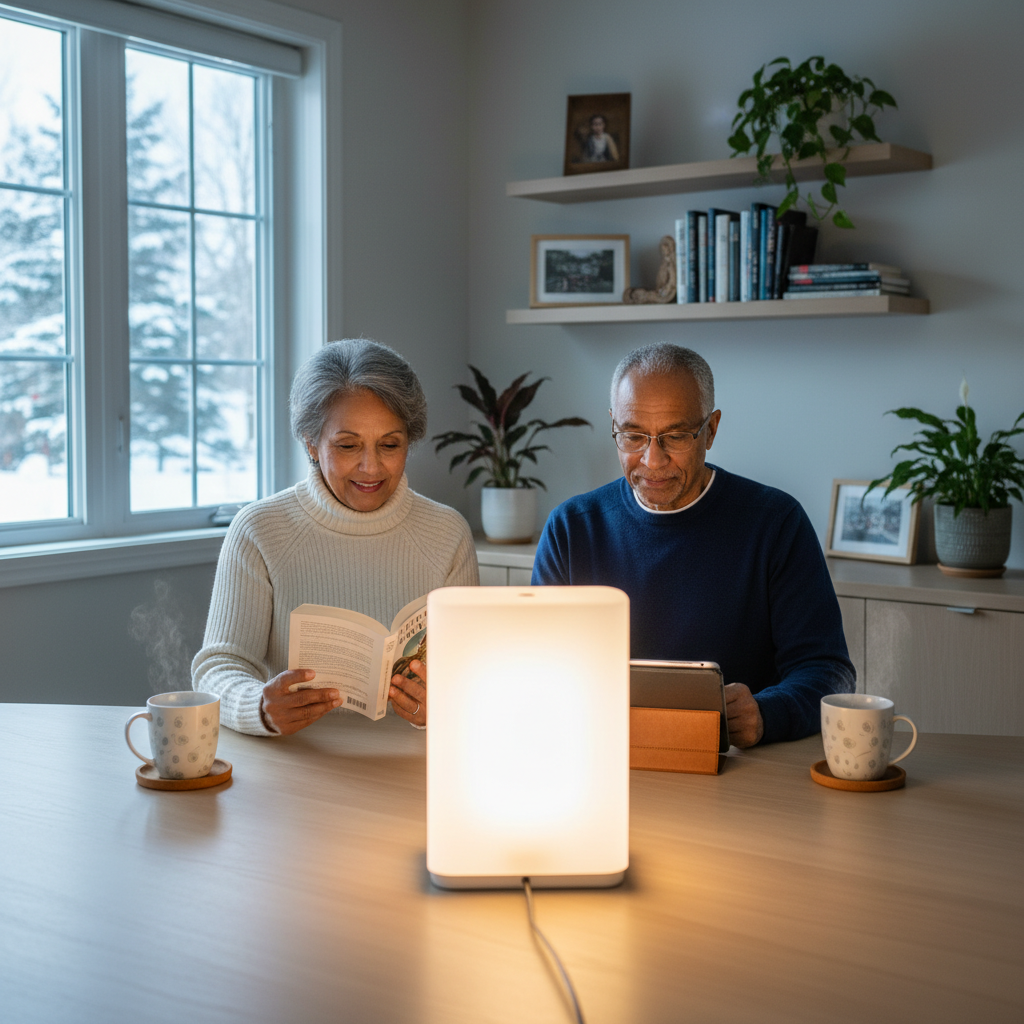
Beyond light therapy, many seniors benefit from cognitive behavioral therapy (CBT) specifically adapted for SAD, which costs $100–$200 per session. While some provinces cover portions of mental health services, coverage gaps remain significant.
Using reverse mortgage funds, you can invest in:
| Treatment Option | Typical Cost (Annual) | Benefit Duration |
|---|---|---|
| Therapeutic light box (quality model) | $300–$800 (one-time) | 5–7 years |
| Professional light therapy sessions (monthly) | $1,800–$3,600/year | Ongoing |
| SAD-specific therapy (12 sessions/year) | $1,200–$2,400/year | Ongoing |
| Home light therapy setup + sessions | $2,500–$4,500/year | Ongoing |
| Vitamin D testing + supplementation program | $200–$400/year | Ongoing |
According to the Canadian Society for Seasonal Affective Disorder, "Light therapy is the gold standard treatment for SAD, with efficacy rates of 60–80% when properly prescribed." Investing in professional guidance and quality equipment yields the highest success rates.
Winter Escape Strategies: Relocation and Travel Funding
Many Ontario seniors find that temporary relocation to sunnier regions (such as southern Ontario during winter months, or further south for extended stays) dramatically reduces SAD symptoms. However, arranging accommodation, transportation, and logistics requires upfront capital.
A reverse mortgage can fund:
- Snowbird planning: Renting or leasing a winter home in sunnier regions for 4–6 months
- Travel logistics: Flights, vehicle transportation, or RV rental for extended southern stays
- Accommodation upgrades: Ensuring your winter location has adequate natural light and comfort amenities
- Companion arrangements: Funding a travel companion if mobility or independence concerns arise
For Ontario seniors managing SAD, winter escape options can include southern Ontario regions with longer daylight hours, or seasonal moves to warmer provinces within Canada.
Home Environment Optimization: Light, Space, and Comfort Modifications
Creating a SAD-friendly home requires targeted modifications that may require professional installation:
| Modification | Estimated Cost | SAD Benefit |
|---|---|---|
| Full-spectrum LED lighting upgrade (living spaces) | $2,000–$4,000 | High natural light simulation |
| Skylights or light tubes (sun tunnels) | $3,000–$7,000 | Maximized natural daylight |
| South-facing window treatments (thermal + light) | $1,500–$3,000 | Winter light maximization |
| Bright, reflective paint in living spaces | $800–$2,000 | Light amplification |
| Sunroom or enclosed patio addition | $10,000–$25,000 | Full seasonal relocation indoors |
Many Ontario homes were designed with limited southern exposure. Reverse mortgage funds allow you to retrofit your space for maximum winter light without the stress of a major home sale or relocation.
Social and Lifestyle Supports: Combating Winter Isolation
Isolation amplifies SAD symptoms. Reverse mortgage funds can support:
- Indoor fitness and wellness programs: Gym memberships, personal training, or home equipment ($1,000–$3,000/year)
- Social group activities: Community center memberships, hobby classes, or virtual group programs ($500–$1,500/year)
- Professional support coordination: Hiring a care coordinator or social worker to facilitate regular social connection ($200–$400/month)
- Technology upgrades: Video calling systems, smart home integration for mood-friendly automations ($1,000–$2,500)
According to FCAC (Financial Consumer Agency of Canada), "Social isolation in seniors is a documented risk factor for depression, and structured interventions addressing both isolation and seasonal factors show measurable mental health improvements."
Integrating Reverse Mortgage Funds: A Practical Approach
A strategic reverse mortgage approach for SAD combines multiple interventions:
✓ Initial investment: Light therapy equipment and professional treatment plan ($2,500–$4,000)
✓ Seasonal adjustment: Annual relocation or accommodation enhancement ($5,000–$10,000/year for first 3 years)
✓ Long-term wellness: Ongoing therapy, fitness, and social programming ($1,000–$2,000/month)
✓ Home optimization: Permanent lighting and environmental upgrades ($3,000–$8,000)
How much can you borrow? Reverse mortgage amounts depend on your home value, age, and current interest rates. To determine your eligibility and borrowing capacity, speak with Rick Sekhon Reverse Mortgages for a free consultation specific to your situation.
Quick Reference
| SAD Management Strategy | Cost Range | Reverse Mortgage Funding Fit |
|---|---|---|
| Light therapy equipment + professional sessions | $2,000–$5,000/year | Excellent—predictable, ongoing costs |
| Winter relocation or snowbird arrangement | $5,000–$15,000/year | Good—seasonal, flexible timing |
| Home environment optimization | $3,000–$10,000 (one-time) | Excellent—lump-sum or staged draws |
| Mental health therapy (SAD-specific) | $1,200–$2,400/year | Good—professional coordination recommended |
| Social and wellness programs | $1,000–$2,000/month | Good—manages through line-of-credit structure |
Frequently Asked Questions
Does a reverse mortgage affect my eligibility for mental health support from Ontario Health?
No. Reverse mortgage proceeds are loan advances, not income, and do not affect means-tested provincial health coverage. Ontario Health coverage for therapy, medications, and some assessments continues regardless of reverse mortgage status. Always coordinate with your healthcare provider to maximize available resources.
Can I use reverse mortgage funds specifically for SAD treatments without formal diagnosis?
Yes. Your reverse mortgage funds are flexible—you can use them for any purpose. However, formal diagnosis from a healthcare provider will help you access additional provincial supports and ensure you're receiving evidence-based treatment. Speak with your doctor before starting light therapy or relocating for seasonal reasons.
Are SAD-related home modifications (like skylights) covered under accessibility grants if I have a reverse mortgage?
Yes. Accessibility grants and rebates remain available. A reverse mortgage doesn't disqualify you from provincial or federal home modification programs. In fact, combining a reverse mortgage with grant funding can reduce your total out-of-pocket costs significantly. Contact your local home modification assistance program to coordinate.
What if my spouse doesn't experience SAD—how do we manage different winter needs?
Many couples face this challenge. A reverse mortgage provides flexibility to accommodate both partners' needs: one partner can fund SAD treatments or relocation, while the other supports different priorities. Discuss openly and use a line-of-credit structure that allows staged, flexible withdrawals throughout the year.
Can I use reverse mortgage funds to rent a winter home temporarily, then repay from other income?
Yes, absolutely. Many seniors use reverse mortgage flexibility to fund seasonal adjustments, then manage repayment through pensions, CPP, or other income sources. The reverse mortgage serves as a financial cushion, not a one-time fix. Consult with a financial advisor to optimize your withdrawal and repayment strategy.
Does SAD treatment funded by a reverse mortgage affect my OAS or GIS?
No. Reverse mortgage proceeds are classified as loan advances, not income, and do not affect Old Age Security (OAS) or Guaranteed Income Supplement (GIS) calculations. These government benefits remain unaffected by reverse mortgage borrowing.
Ready to Invest in Your Winter Wellness?
Seasonal affective disorder doesn't have to define your retirement years. Whether through light therapy, therapeutic travel, home modifications, or professional support, proven strategies exist. A reverse mortgage makes these interventions financially accessible without forcing you to sell your home or disrupt your life in Ontario.
Speak with Rick Sekhon Reverse Mortgages to explore how a reverse mortgage can support your mental health and winter wellness goals. Get started with a free, no-obligation consultation to understand your borrowing capacity and options.
Ready to Learn More?
Find out exactly how much you could unlock from your home — free and no obligation.
Related Articles
Aging in Place with a Reverse Mortgage: Home Modification Guide
How Ontario seniors can fund aging-in-place home modifications with a reverse mortgage — costs, top modifications, grants, and a complete planning guide.
Read →Reverse Mortgage for Healthcare Costs: Aging in Place in Ontario
How Ontario seniors use a reverse mortgage to fund home care, medical equipment, prescriptions, and healthcare expenses — and stay in their home longer.
Read →Reverse Mortgage for Aging in Place With Fibromyalgia: Home Modifications for Invisible Illness
Fund home modifications for aging with fibromyalgia. Reverse mortgage enables accessible design for pain management, energy conservation, and quality of life.
Read →