
Maximize Savings: Layering Ontario Energy Assistance Programs With Reverse Mortgage
Ontario offers multiple senior-focused energy programs. Learn how to combine reverse mortgage funding with government assistance for comprehensive energy affordability.
Rising energy bills in Ontario winters threaten to consume your entire fixed retirement income—unless you strategically layer government energy assistance with a reverse mortgage. Ontario offers seniors multiple overlapping programs (Home Energy Rebate, Heating & Cooling Assistance, Weatherization Program, Property Tax Rebates), yet most retirees utilize only one or two, missing substantial savings. A coordinated approach using reverse mortgage for infrastructure improvements while accessing government assistance creates maximum energy affordability.
Seniors in Ontario can access $2,000–$8,000 annually in energy assistance and rebates while also upgrading home efficiency through a reverse mortgage. Combining both approaches reduces your heating/cooling costs by 40–60% compared to doing neither. This is overlooked by most homeowners despite being available today.
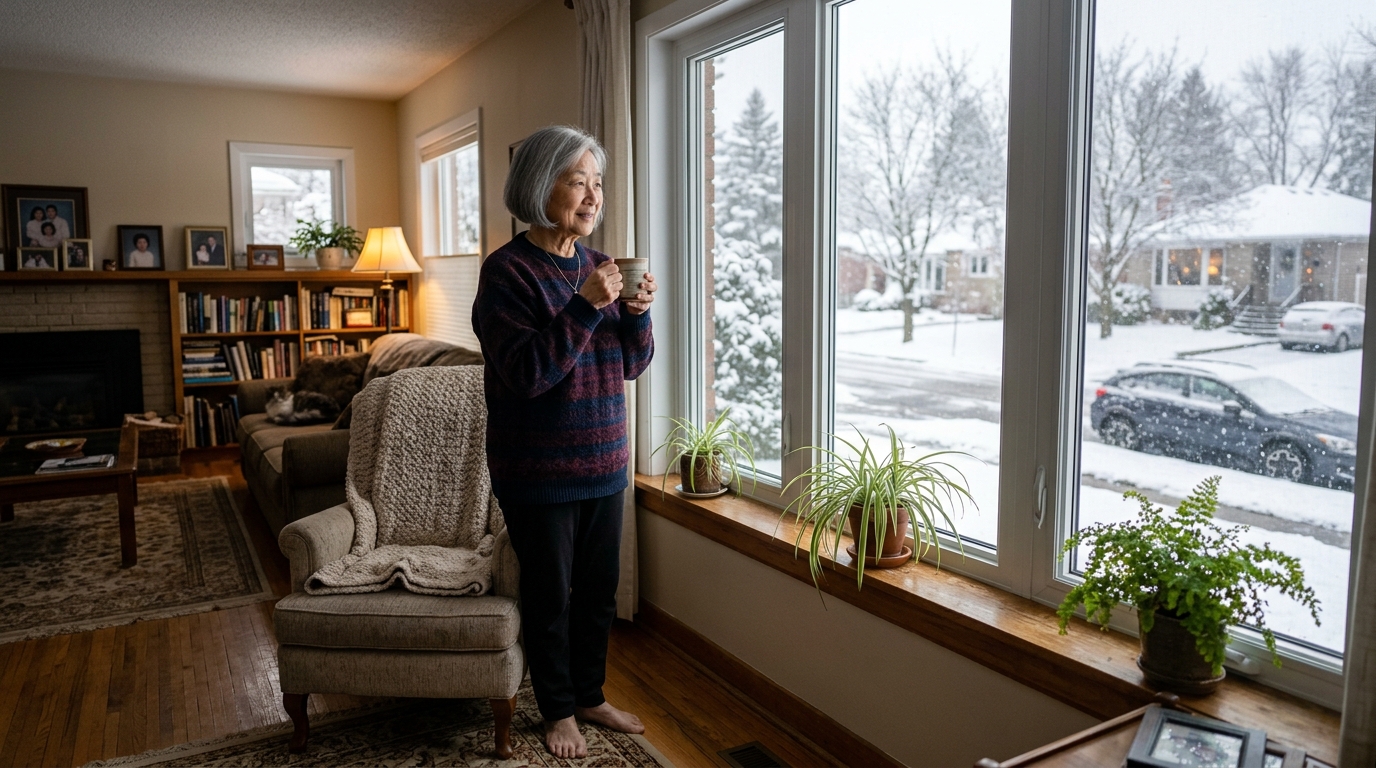
Ontario's overlapping energy programs for seniors (2026)
Provincial programs
| Program | Eligibility (Age 65+) | Benefit Amount | Application | Frequency |
|---|---|---|---|---|
| Home Energy Rebate | 65+, low income | Up to $5,000 (upgrades) | Annual application | Per fiscal year |
| Heating & Cooling Assistance | 65+, income <$43,000 | Up to $500/year | Automated enrollment | Annual |
| Weatherization Assistance | 65+, low-moderate income | Up to $3,000 (work cost) | Direct application | One-time |
| Energy Conservation Audit | 65+, any income | $0 (audit free) | Utility company | As needed |
| Property Tax Rebate (low income) | 65+, income <$43,000 | Rebate on assessed value | Annual filing | Per year |
Federal programs
| Program | Eligibility | Benefit | Application | Frequency |
|---|---|---|---|---|
| Home Accessibility Tax Credit | 65+, $75,000 income | Tax deduction for retrofits | With tax return | Per year |
| Greener Homes Grant | Any age, homeowner | Up to $5,000 rebate | Direct application | Rolling |
Total potential annual benefit for eligible Ontario seniors: $2,500–$8,000/year plus one-time rebates.
How a reverse mortgage complements government programs
Government programs fund 40–80% of energy-efficiency improvements. A reverse mortgage funds the portion government won't cover AND funds routine energy costs while waiting for rebate processing.
Layering strategy: Reverse mortgage + government programs
Step 1: Identify all eligible government programs (Your situation)
- Home Energy Rebate: You qualify (apply immediately)
- Heating & Cooling Assistance: You likely qualify (automatic)
- Weatherization: You may qualify (apply if income eligible)
- Audit: Always free; get one to prioritize improvements
Step 2: Estimate government funding
- Home Energy Rebate: ~$3,000–$5,000
- Weatherization work covered: ~$2,000
- Total government contribution: ~$5,000
Step 3: Identify energy-improvement gap
- Full efficiency upgrade cost: $15,000
- Government contribution: $5,000
- Gap (reverse mortgage can fund): $10,000
Step 4: Close reverse mortgage for gap + contingency
- Gap: $10,000
- Buffer for budget overruns: $3,000
- Reverse mortgage amount to request: $13,000
Step 5: Apply for all government programs in parallel
- Start Home Energy Rebate application
- Enroll in Heating & Cooling Assistance
- Submit Weatherization if eligible
- Receive free audit
Step 6: Proceed with improvements
- Use reverse mortgage funds for gap
- Receive government rebates/assistance as processed
- Potentially pay down reverse mortgage balance if rebates exceed expectations
According to Hydro One (Ontario's largest utility), seniors who layer government energy assistance with home efficiency upgrades reduce annual heating costs by 40–60% compared to baseline. Combined programs maximize ROI.
Real-world scenario: Comprehensive energy strategy
George's situation (composite example):
George (age 72) lived in a rural Ontario home heated by aging oil furnace. Annual energy bills: $3,200 (heating + electricity).
Energy challenges:
- Single-pane windows, poor insulation
- 30-year-old HVAC system
- No weatherization
- Income: $28,000 (CPP/OAS) — eligible for all government programs
Full modernization estimate: $22,000
- HVAC replacement: $8,500
- Window replacement: $9,000
- Insulation/weatherization: $4,500
Government assistance available:
- Home Energy Rebate: $3,500 (HVAC + windows)
- Weatherization assistance: $2,000 (labor covered)
- Heating & Cooling Assistance: $500/year
- Total government contribution: $6,000 one-time + $500/year
Reverse mortgage strategy:
- Gap to fund: $22,000 − $6,000 = $16,000
- Contingency for overruns: $4,000
- Reverse mortgage: $20,000
Outcome:
- Year 1: Improvements completed; annual heating cost dropped to $1,800 (44% reduction)
- Year 2–onward: Annual savings of $1,400 + government assistance of $500 = $1,900/year benefit
- Payback period: 11 years (but George benefits for life)
- Reverse mortgage balance: ~$21,500 after 3 years (with interest)
The reverse mortgage investment paid for itself through energy savings by year 11, with lifetime benefit of $19,000+ (11 years × $1,900).

Eligible energy improvements by government program
Home Energy Rebate (eligible work)
✓ HVAC replacement or upgrade
✓ Furnace/boiler upgrade
✓ Heat pump installation
✓ Window and door replacement
✓ Insulation (attic, basement, walls)
✓ Water heater upgrade (high-efficiency)
✓ Air sealing and weatherization
Rebate coverage: Up to 75% of eligible work (capped at $5,000)
Weatherization Program (eligible work)
✓ Air sealing (caulking, weatherstripping)
✓ Insulation (blown-in)
✓ Attic ventilation
✓ Foundation insulation
✓ Door/window caulking
Coverage: 100% of labor (homeowner pays materials; rebate covers technician time)
Comparison: Energy strategy options for Ontario seniors
| Strategy | Annual Cost | Annual Savings | Government Assistance | Reverse Mortgage Need |
|---|---|---|---|---|
| Do nothing (baseline) | $3,200 | $0 | $500 (auto) | None |
| Government programs only (max applied) | $500 (some costs) | $1,200 | $6,000 (one-time + annual) | None |
| Reverse mortgage for improvements (full) | Reverse mortgage interest | $1,400 | $6,000 (one-time + annual) | $20,000 |
| Layered strategy (RM + government) | Reverse mortgage interest | $1,900/year | $6,500 total | $20,000 |
The layered strategy is optimal because government funding covers 25–40% of costs, reverse mortgage covers the gap, and combined efficiency improvements generate $1,400–$1,900 in annual savings, which can be used to offset reverse mortgage interest.
Step-by-step layering process
Step 1: Energy audit (Week 1) Contact your local utility (Hydro One, municipal utility) for a free energy audit. Takes 2–3 hours; identifies priority improvements.
Step 2: Gather government program information (Week 2)
- Ontario Home Energy Rebate: ontario.ca/energy-rebate
- Weatherization Assistance: Apply through your municipality
- Heating & Cooling Assistance: Automatic for eligible seniors
- Audit information: Utility company website
Step 3: Estimate government contributions (Week 2–3) Call each program with audit results. Ask: "How much of my proposed improvements would you fund?"
Step 4: Calculate gap and reverse mortgage need (Week 3)
- Total improvement cost: $_____
- Government contribution: $_____
- Gap: $_____
- Contingency (10–15%): $_____
- Total RM request: $_____
Step 5: Contact reverse mortgage specialist (Week 3) Call Rick Sekhon Reverse Mortgages with:
- Home value and location
- Estimated improvement costs
- Government assistance identified
- Flexible withdrawal preference (lump sum to cover gap)
Step 6: Apply for government programs in parallel (Week 4)
- Home Energy Rebate application
- Weatherization Assistance (if eligible)
- Heating & Cooling enrollment
Step 7: Close reverse mortgage (Week 5–6)
- Lender appraises home
- Lawyer conducts independent legal advice
- Funds available within 5–7 business days
Step 8: Coordinate improvements (Week 6+)
- Use reverse mortgage for gap + initial costs
- Submit government applications for rebates
- Receive rebates and apply to reverse mortgage paydown (optional)
Key Takeaways
- Ontario seniors can access $6,000–$8,000 annually in overlapping energy assistance programs, yet most utilize only one
- Reverse mortgage strategically funds the portion government doesn't cover, making comprehensive energy upgrades affordable
- Layering reverse mortgage + government assistance reduces heating costs by 40–60% and generates $1,400–$1,900 annual savings
- Home Energy Rebate, Weatherization, Heating & Cooling Assistance, and Property Tax Rebates should all be applied for simultaneously for maximum benefit
- Payback period on reverse mortgage energy funding is typically 8–12 years, with lifetime benefits exceeding cost
- Rick Sekhon Reverse Mortgages can help coordinate reverse mortgage timing with government program applications
Frequently Asked Questions
If I get government energy assistance, do I still need a reverse mortgage?
It depends. Government programs cover 25–40% of energy-efficiency upgrades. If you have savings to fund the remaining 60–75%, you don't need a reverse mortgage. If you don't have savings, a reverse mortgage funds the gap without monthly payments.
Will a reverse mortgage affect my eligibility for government energy programs?
No. Government energy programs are not income-tested in the traditional sense. Reverse mortgage proceeds are not counted as income. You remain eligible for Home Energy Rebate, Weatherization, and Heating & Cooling Assistance regardless of reverse mortgage.
Can I use government rebates to pay down my reverse mortgage faster?
Yes. If the government rebate arrives after you've drawn from the reverse mortgage, you can apply the rebate to reduce the reverse mortgage balance. This accelerates loan repayment and reduces interest accrual.
Which government program should I apply for first?
Apply for all simultaneously. However, prioritize: (1) Home Energy Rebate (largest potential benefit), (2) Heating & Cooling Assistance (automatic for eligible seniors), (3) Weatherization (if income-eligible).
Can I combine government weatherization work with reverse mortgage HVAC funding?
Absolutely. Government weatherization often covers air sealing and insulation. Reverse mortgage can cover HVAC replacement and windows. The two complement each other and often work is done sequentially.
What if the reverse mortgage closes before government rebates are approved?
That's normal. Use reverse mortgage funds to start improvements immediately. When government rebates are approved (4–12 weeks), direct rebates toward reverse mortgage paydown if desired.
Invest in comfort and savings
Ontario seniors don't have to choose between energy comfort and financial security. Strategic layering of reverse mortgage + government programs makes comprehensive energy efficiency affordable, reducing heating bills, improving home comfort, and supporting aging in place.
Contact Rick Sekhon Reverse Mortgages to discuss your home's energy efficiency needs and available reverse mortgage funding. Coordinate with government energy programs to maximize your benefit.
Ready to Learn More?
Find out exactly how much you could unlock from your home — free and no obligation.
Related Articles
Reverse Mortgage for Home Energy Efficiency Investment: Retire Comfortably, Reduce Costs
How Ontario seniors can use reverse mortgages to invest in home energy efficiency upgrades, reducing utility costs and improving comfort during retirement.
Read →Reverse Mortgage for Climate Resilience and Severe Weather Home Upgrades
Use a reverse mortgage to fund climate-resilient home upgrades in Ontario — sump pumps, backup power, storm hardening, and flood protection.
Read →Ontario Seniors Programs + Reverse Mortgages: Grants & Tax Deferrals
Combine Ontario seniors grants, tax deferrals, and home accessibility programs with a reverse mortgage to maximise your retirement home equity strategy.
Read →