
Reverse Mortgage for Managing Long-Term Home Maintenance Backlog: Prioritizing 10+ Years of Deferred Repairs
Fund urgent repairs when home maintenance has been deferred for years. Reverse mortgage strategy for aging homes with critical system failures in Ontario.
Your roof is 25 years old. The electrical panel is original from 1985. The foundation is cracking. The furnace is dying. You've deferred maintenance for years due to caregiving, health issues, or simply not wanting to spend the money. Now multiple critical systems are failing simultaneously, and repair estimates total $50,000–$100,000. For many aging homeowners in Ontario, years of deferred maintenance suddenly become a crisis that threatens both home safety and your ability to age in place.

When multiple home systems fail at once, a reverse mortgage can prioritize the most urgent repairs first, prevent cascading damage, and preserve your home's structural integrity. Rather than choosing between one critical repair and financial ruin, you can address the backlog systematically.
The Deferred Maintenance Timeline
Most aging homeowners follow a predictable pattern of deferral:
Years 1–5: Awareness Stage
- Notice roof leaks, electrical issues, or HVAC age
- Get estimates; realize costs are $5,000–$20,000 per major system
- Decision: "Not urgent yet; I can wait"
- Put off repairs for minor improvements or just avoiding large expense
Years 5–10: Denial Stage
- Multiple signs of aging: slower heating, visible roof damage, foundation cracks
- Estimate updates show costs have risen (inflation + added damage)
- Decision: "I'll address it later; it still functions"
- Pay for small fixes instead (patching roof, circuit breaker replacements)
Years 10–15: Critical Point
- Systems truly failing: furnace breaks, roof leaks during rain, electrical hazards
- Insurance may refuse to renew or raise premiums significantly
- Home inspection reveals $50K–$100K backlog
- Reality hits: Can't defer anymore; crisis forces decision
Years 15+: Crisis Collapse
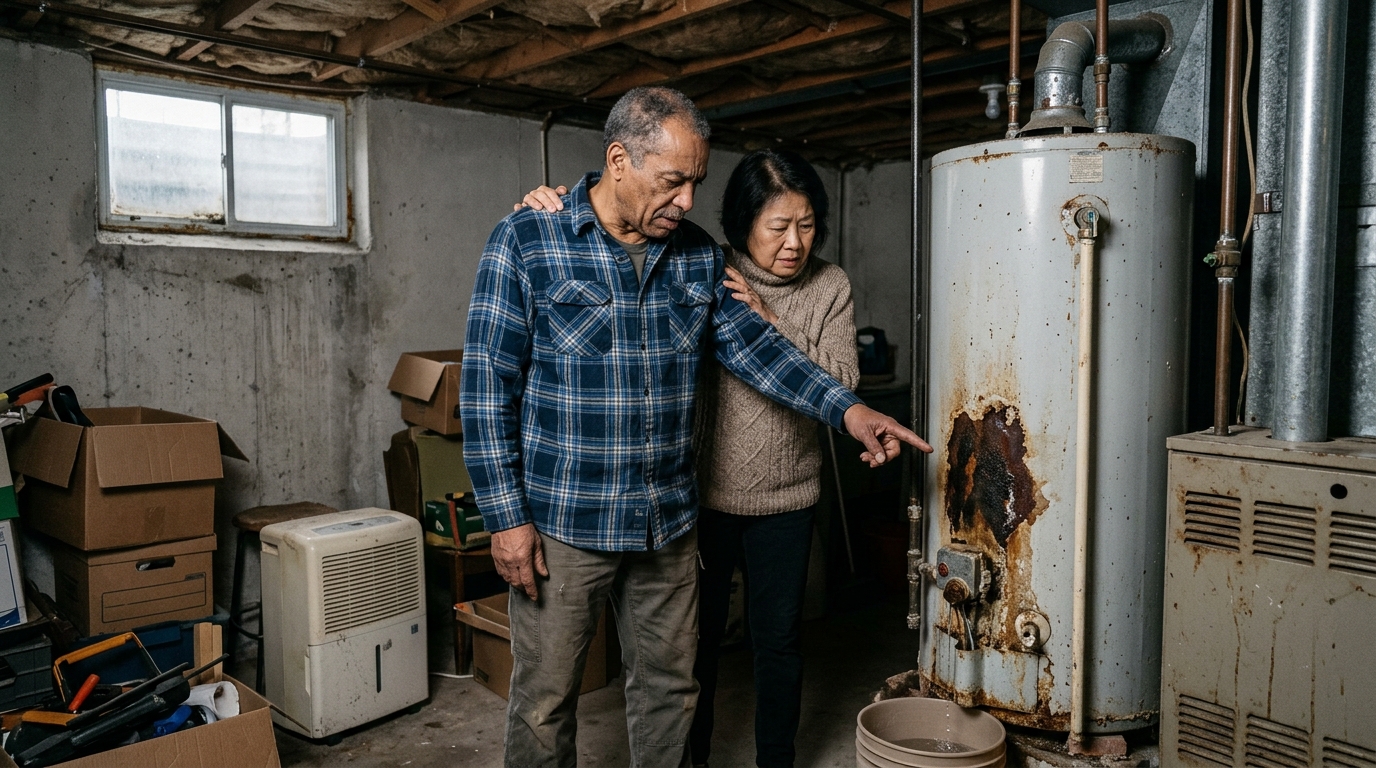
- Multiple simultaneous failures: roof fails, furnace dies, foundation damage discovered
- Total costs balloon to $75,000–$150,000+
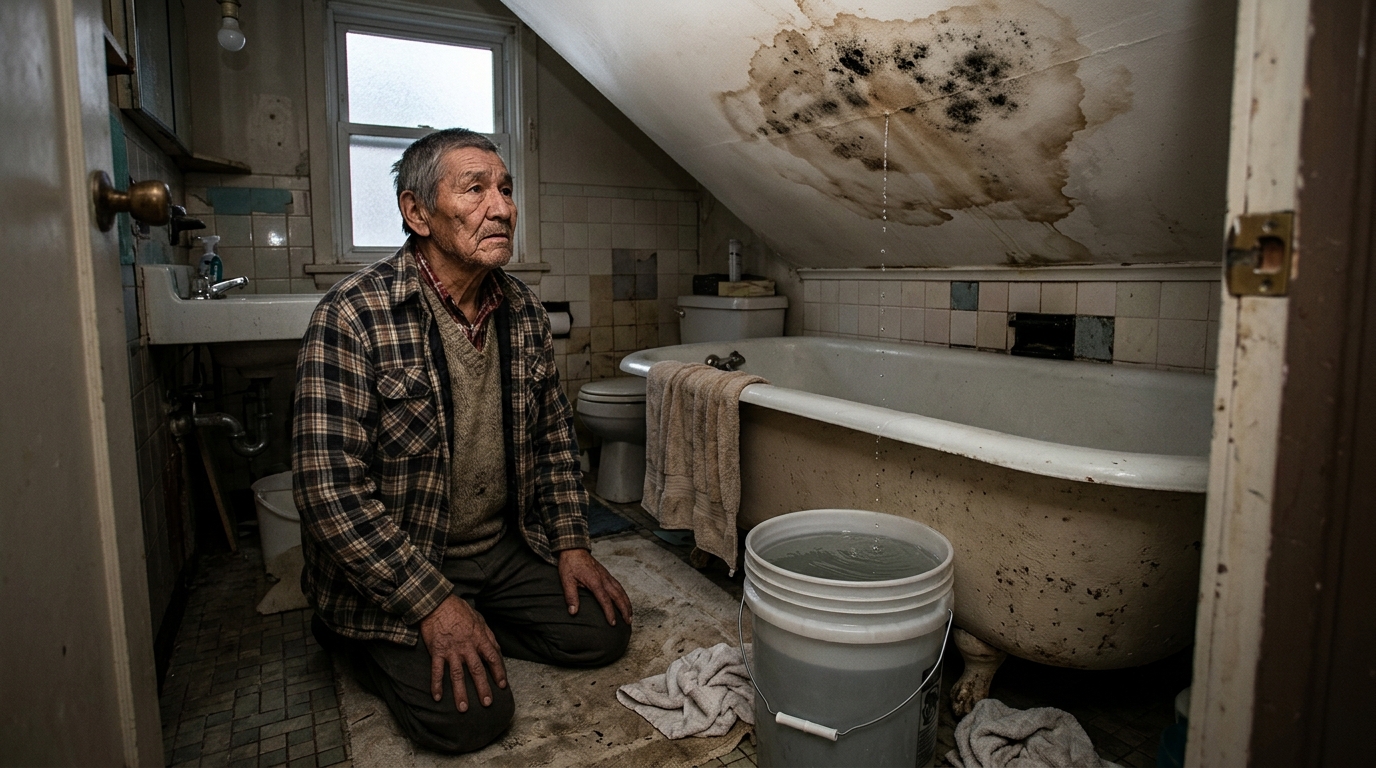
- Deferred small repairs have caused larger damage (water damage spreads; electrical hazards worsen)
- Forced choice: Major renovation debt or lose ability to age in place
This timeline shows why deferred maintenance becomes exponentially more expensive — small ignored issues create bigger problems.
Critical System Failure Costs (Ontario 2026)
| System | Age When Critical | Emergency Repair Cost | Planned Replacement | Cascading Damage Cost |
|---|---|---|---|---|
| Roof | 25–30 years | $15,000–$25,000 | $12,000–$20,000 | +$20,000 (water damage inside) |
| Furnace/HVAC | 20–25 years | $8,000–$12,000 | $6,000–$10,000 | +$5,000 (temp regulation issues) |
| Electrical Panel | 40+ years (if original) | $6,000–$12,000 | $4,000–$8,000 | +$10,000 (fire risk, insurance cancellation) |
| Foundation/Waterproofing | 40+ years | $15,000–$40,000 | $12,000–$30,000 | +$30,000+ (mold, structural failure) |
| Plumbing | 50+ years (if original) | $10,000–$20,000 | $8,000–$15,000 | +$15,000 (water damage, mold) |
| Siding/Exterior | 30+ years | $8,000–$18,000 | $7,000–$15,000 | +$20,000 (interior water damage) |
| Total typical backlog | Multiple systems age 20+ | $50,000–$100,000+ | $40,000–$80,000 | +$80,000–$150,000 compounded |
The critical insight: Emergency repairs cost 30–50% more than planned replacements. Plus, cascading damage from one failure (roof leak → water damage → mold) adds massive costs.
Case Study: Patricia, 72, Faces Home Maintenance Crisis
Patricia (72) bought her Toronto home in 1985 for $120,000. It's worth $750,000 today, but systems are all original:
- Roof installed 1985 (41 years old)
- Furnace installed 1985 (41 years old)
- Original electrical panel (41 years old)
- Plumbing is 80% original (installed 1985)
- Exterior siding is 30+ years old
2024–2025: The Crisis Collapses
- Spring 2024: Roof develops significant leak during thaw; water damage to master bedroom
- June 2024: Furnace stops; AC fails; estimate for replacement is $9,500
- July 2024: Home inspection reveals electrical panel is fire hazard; needs replacement (~$8,000)
- August 2024: Plumbing backup in basement; water damage discovered; foundation has cracks
- Total crisis cost: $60,000–$90,000 in urgent repairs
Patricia's situation:
- Fixed income: CPP + OAS = $28,000/year
- Savings: $40,000 (barely covers 1.5 years of living expenses)
- Home equity: $650,000 (clear title)
- Reality: Can't afford $60K–$90K in repairs without destroying retirement
Solution: Reverse mortgage
- Approve reverse mortgage: $300,000
- Fund urgent repairs: $70,000 (roof, furnace, electrical, foundation assessment)
- Reserve: $30,000 for additional plumbing/exterior work
- Timeline: Repairs complete within 6 months
Patricia's path forward:
- Home is now safe, code-compliant, and insurable
- Can age in place safely without fear of cascading failures
- Reverse mortgage balance: ~$100,000 (after repayment of non-interest costs)
- Home equity remaining: ~$600,000 for her estate
Without the reverse mortgage: Patricia would have faced either:
- Sell the home (lose community, roots, significant realtor fees)
- Live in an unsafe, uninsurable home
- Deplete all savings and be destitute
- Move into long-term care (institutional solution to housing maintenance problem)
Reverse Mortgage Strategy for Maintenance Backlog
Phase 1: Home Assessment (Month 1)
- Comprehensive home inspection ($400–$600)
- Identify all systems beyond useful life or critical failures
- Prioritize repairs by urgency: safety first, function second, cosmetics last
- Obtain contractor estimates for top 5–7 priority repairs
Phase 2: Reverse Mortgage Application (Month 2)
- Pre-qualify with reverse mortgage lender
- Disclose all known issues in appraisal
- Receive approval for sufficient amount (~$80,000–$150,000 typical for major backlog)
- Timeline: 3–4 weeks to approval and funding
Phase 3: Phased Repairs (Month 3–9)
- Months 1–2: Roof, furnace, electrical panel (highest safety/function impact)
- Months 3–5: Foundation, waterproofing, major plumbing
- Months 6–9: Exterior siding, secondary systems, finishing touches
- Contractor manages timeline; homeowner phases costs to manage cash flow
Phase 4: Post-Repair Stability (Month 10+)
- Home now meets all code requirements
- Insurance premium may decrease (newer systems = lower risk)
- Utilities may be more efficient (new furnace, updated electrical)
- Can age in place safely for next 15–20 years
This phased approach prevents the "emergency collapse" by systematically addressing the backlog.
Prioritization Framework: What to Repair First
| Priority | Urgency | Examples | Typical Cost | Timeline |
|---|---|---|---|---|
| Tier 1: Life Safety | Immediate (weeks) | Electrical hazards, roof leaks causing water intrusion, foundation instability | $8K–$15K each | 2–3 weeks per job |
| Tier 2: Code Compliance | Urgent (1–2 months) | Non-compliant electrical panel, plumbing failures, HVAC replacement | $6K–$12K each | 3–4 weeks per job |
| Tier 3: Functional Systems | Important (3–6 months) | Water heater, plumbing upgrades, minor foundation cracks | $4K–$10K each | 2–3 weeks per job |
| Tier 4: Quality of Life | Beneficial (6–12 months) | Windows, siding, cosmetic improvements, accessibility upgrades | $3K–$8K each | 3–6 weeks per job |
Key principle: Fix Tier 1 & 2 immediately (life safety + code). Defer Tier 3 & 4 if budget is tight.
Insurance Implications of Deferred Maintenance
A critical problem: aging homes become uninsurable.
| Issue | Insurance Impact | Consequence |
|---|---|---|
| Electrical panel 40+ years old | Non-compliant; refusal to renew | Loss of home insurance (required by lender) |
| Roof 30+ years old | High-risk claim; premium spike or refusal | Insurance unavailable or cost >$200/month |
| Plumbing original (70+ years old) | Water damage risk; refusal to insure | Uninsurable; major financial risk |
| Foundation cracks/instability | Structural risk; significant premium | Insurance costs balloon or becomes unavailable |
The vicious cycle: Can't get insurance → can't keep lender comfortable → may be forced to sell or take on predatory lending. Reverse mortgages help you break this cycle by funding urgent repairs that make the home insurable again.
According to Insurance Bureau of Canada, homes with deferred maintenance of 10+ years are 3x more likely to lose insurance coverage entirely. A reverse mortgage that funds urgent repairs often prevents insurance loss and protects your home equity.
Tax & Government Benefits When Using Reverse Mortgage for Repairs
Reverse mortgage funds used for home repairs are:
- Not income — no tax implications
- Not deductible — repairs don't reduce your taxable income (though some energy efficiency upgrades may qualify for credits)
- Home value preservation — repairs that increase home value may reduce future capital gains tax if home is sold
Some Ontario residents may qualify for energy efficiency grants that offset reverse mortgage costs:
| Program | Funding | Requirement | Ontario |
|---|---|---|---|
| Greener Homes Grant | Up to $5,600 for efficiency upgrades | Home < 30 years old | Federal; available in Ontario |
| ECCO (Energy Cost Control) | Property tax assistance based on improvements | Low-income Ontario seniors | Provincial; specific to upgrades |
| Toronto Green Standard | Property tax rebate for efficiency | Toronto residents, specific upgrades | Municipal; varies by city |
These grants don't eliminate costs but can offset 10–20% of efficiency-related repairs.
Key Takeaways
✓ Deferred maintenance compounds exponentially — every year of deferral increases costs 5–10% ✓ Multiple simultaneous failures are the norm — when one system fails, others typically follow within 2–5 years ✓ Emergency repairs cost 30–50% more — planned replacement is always cheaper than crisis repair ✓ Insurance becomes unaffordable or unavailable — aging homes lose coverage; reverse mortgage repairs prevent this ✓ Reverse mortgage is faster than alternatives — 3–4 weeks vs. 4–8 weeks for HELOC or traditional financing ✓ Aging in place requires a safe, code-compliant home — you can't age in place if systems are failing
Frequently Asked Questions
Should I prioritize the most expensive repair first, or the most urgent?
Always prioritize urgency over cost. Fix safety/code issues first (electrical hazards, roof leaks, foundation stability), then functional systems. Cosmetics and quality-of-life improvements can wait if budget is tight. A reverse mortgage can be phased to allow this prioritization.
Can I finance repairs piecemeal over time instead of one large reverse mortgage?
Yes. Most reverse mortgages offer a line of credit structure — draw as you need funds for each repair phase. This is preferable to a lump sum, as you pay interest only on funds actually drawn, not on the entire approved amount.
What if I'm not sure which repairs are truly urgent?
Hire a comprehensive home inspector (not your contractor, who has incentive to oversell). A professional $400–$600 inspection identifies truly critical issues. Then get estimates from 2–3 contractors to verify costs. This assessment should guide your reverse mortgage application.
Will repairing my home increase its value enough to offset the reverse mortgage cost?
Maybe partially. Code-compliant systems (new electrical, roof, furnace) maintain home value but don't typically increase it significantly. The real benefit is that repairs let you keep your home — avoiding forced sale or institutional care is the actual value.
How much should I draw from the reverse mortgage for repairs?
Draw only enough to cover Tier 1 & 2 (safety and code compliance). If you have additional equity and want to address Tier 3 & 4, that's optional. Don't over-mortgage just to do cosmetic improvements; focus on what keeps the home safe and livable.
What if repairs reveal even more problems during construction?
This is common (asbestos discovered during renovation, hidden water damage, structural surprises). Most reverse mortgages allow you to increase draws if home equity permits. Discuss contingency plans with Rick Sekhon Reverse Mortgages before starting repairs.
Ready to Learn More?
Find out exactly how much you could unlock from your home — free and no obligation.
Related Articles
Critical Home System Repairs: When Your Reverse Mortgage Funds Structural Safety
Reverse mortgages fund urgent structural and safety repairs—foundation, electrical, plumbing, HVAC. Learn when and how to prioritize critical home systems.
Read →Foundation Repairs and Reverse Mortgage: Funding Structural Issues
Foundation cracks, settling, or water damage can cost $15,000–$50,000 in Ontario. Learn how a reverse mortgage funds critical structural repairs.
Read →Roof Replacement and Reverse Mortgage: Funding Critical Home Repairs
Roof replacement costs $10,000–$25,000 in Ontario. Learn how a reverse mortgage can fund this critical repair without monthly payments or selling your home.
Read →