
Reverse Mortgage and Inheritance: What Happens to Your Estate?
Clear guide: how reverse mortgages affect your heirs and estate. Understand the no-negative-equity guarantee and how to protect your family's inheritance.
One of the most common questions from adult children of seniors considering a reverse mortgage is: "Will Mom and Dad's home still be left to us?"
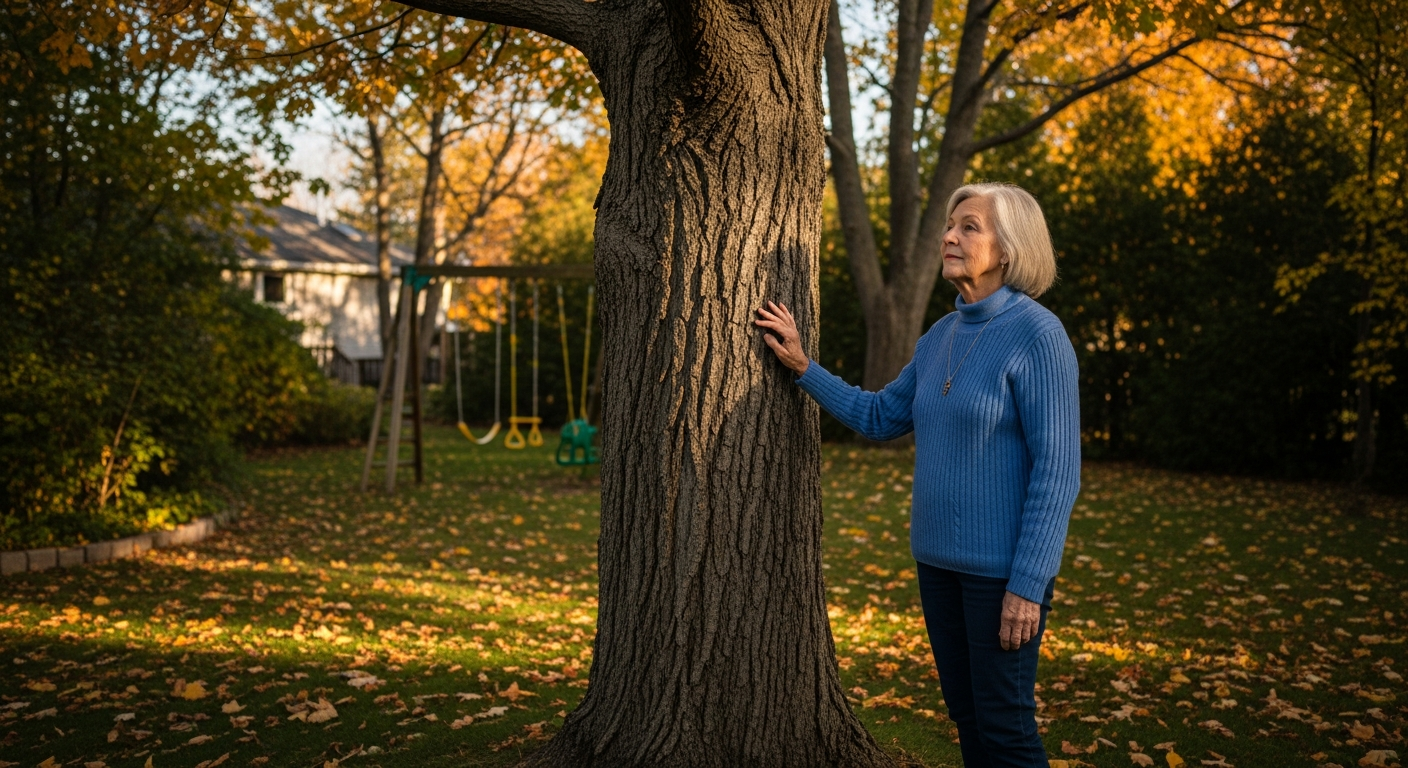
The answer is yes — with important caveats. A reverse mortgage does not prevent your parents from leaving their home to heirs; it simply means the debt must be repaid from the home's sale proceeds before any inheritance is distributed. Understanding this protects both your parents' security and your family's financial future.
How Inheritance Works With a Reverse Mortgage
The Basic Process
When a parent with a reverse mortgage passes away:
- The home is appraised (usually through the probate process or directly by the lender)
- The reverse mortgage becomes due — the estate must repay the outstanding loan balance (principal + all accrued interest)
- The lender issues a payout figure showing exactly what's owed
- The home is sold — typically through an estate sale, or the executor arranges the sale
- The reverse mortgage is paid off from the sale proceeds
- Any remaining equity goes to heirs according to the will
Example: James's Estate
At death:
- Home value: $700,000
- Reverse mortgage balance: $280,000 (principal + interest)
- Outstanding property tax/insurance: $8,000
Estate settlement:
- Home sells for: $700,000
- Reverse mortgage payoff: $280,000
- Property tax/insurance settlement: $8,000
- Net inheritance to heirs: $412,000 (after costs)
The home is inherited, but with the debt repaid first.
Estate Settlement at a Glance
| Item | James's Estate |
|---|---|
| Home value at death | $700,000 |
| Reverse mortgage payoff | $280,000 |
| Property tax/insurance owed | $8,000 |
| Net inheritance to heirs | $412,000 |
The No-Negative-Equity Guarantee
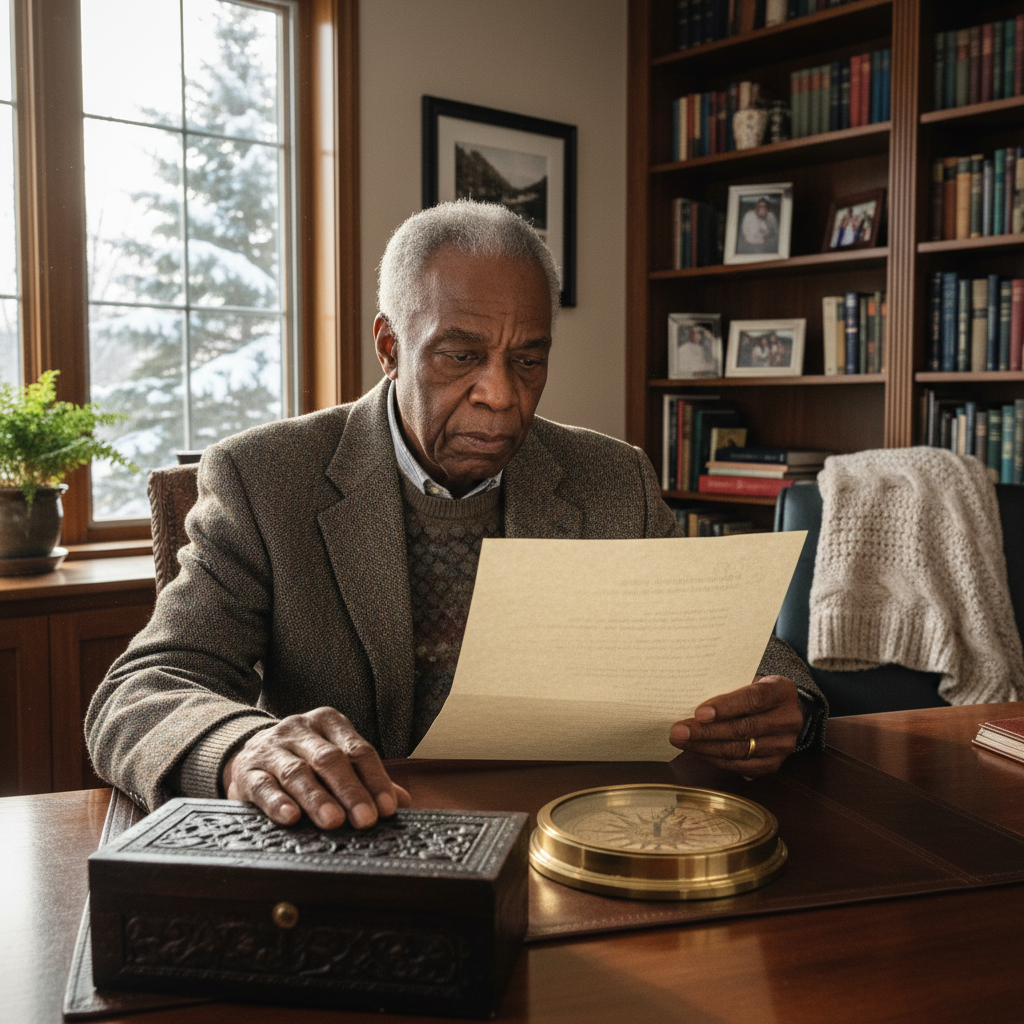
Here's the critical protection: The no-negative-equity guarantee (NNEG) is built into all Canadian reverse mortgages.
What NNEG Means
The no-negative-equity guarantee means:
Your heirs will never owe more than the home's market value at the time of sale.
This is a legal guarantee backed by the lender and regulated by FSRAO (Ontario Financial Services Regulatory Authority).
Example of NNEG Protection
Imagine a worst-case scenario:
Scenario: Home value declines
- Home originally valued at: $500,000
- Reverse mortgage balance when parent passes away: $350,000
- Home market value at death: $400,000 (market decline)
- Without NNEG: Heirs would owe more than the home is worth ($350,000 debt vs $400,000 value = owed $350,000, leaving only $50,000 to heirs)
With NNEG protection:
- The lender can only claim what the home sells for ($400,000)
- After the $350,000 debt is repaid, heirs inherit $50,000
- The lender cannot pursue the shortfall ($0 claimed from the estate)
NNEG example with interest accumulation:
- Home value: $400,000
- Reverse mortgage principal: $200,000
- Interest accumulated over 15 years: $200,000
- Total owed: $400,000
- Home sells for: $380,000 (market decline)
Without NNEG, the estate would owe $20,000 more than the home is worth.
With NNEG: The lender's claim is capped at the sale price ($380,000). No additional payment is required from the estate.
This guarantee protects heirs from inheriting debt that exceeds the asset value — an absolutely critical protection.
How Quickly Does the Reverse Mortgage Need to Be Repaid?
After Death
When must heirs pay?
- The reverse mortgage becomes due and payable upon the homeowner's death
- The lender typically provides a 6–12 month grace period before forced sale
- During this time, heirs can:
- Arrange a sale
- Refinance into a traditional mortgage (if they're keeping the home and qualify)
- Use insurance proceeds or other funds to repay the lender
What happens if heirs want to keep the home?
- They can refinance the reverse mortgage into a traditional mortgage (if they qualify)
- They pay off the reverse mortgage balance with a new loan in their name
- The home remains in the family
Example: Adult Child Inheriting
Sarah's parents had a reverse mortgage:
- Home value: $600,000
- Reverse mortgage balance when they passed: $250,000
- Sarah (age 38, employed) wants to keep the home
Sarah's options:
- Refinance into a traditional mortgage: If she qualifies, she can get a $250,000 mortgage at standard rates (5–6%) and repay her parents' reverse mortgage debt. She now owns the home outright (minus the new mortgage)
- Sell the home: Repay the $250,000 debt from sale proceeds, inherit the $350,000 remaining equity
- Both own and let the lender liquidate: If she can't afford to refinance, the home must be sold to repay the debt
Most adult children who inherit a home with a reverse mortgage choose to refinance and keep the home.
Impact on Different Estate Scenarios
Scenario 1: Substantial Equity (Most Cases)

- Home value: $1,000,000
- Reverse mortgage balance: $300,000
- Inheritance remaining: $700,000 (substantial)
Most heirs view this positively. Yes, there's a debt to repay, but it's manageable, and inheritance is still significant.
Scenario 2: Modest Equity (Smaller Home or Older Borrower)
- Home value: $400,000
- Reverse mortgage balance: $250,000
- Inheritance remaining: $150,000 (modest)
For a senior who lived a long life in a modest home, or who borrowed heavily for living expenses, the inheritance is smaller but still positive. Without the reverse mortgage, there would have been no funds for their later-life care, so the tradeoff is understood.
Scenario 3: Market Decline (Protected by NNEG)
- Home value at death: $500,000 (declined from $600,000 original purchase)
- Reverse mortgage balance: $400,000
- Inheritance: $100,000
The NNEG protected the estate. Without it, if the home declined further and the reverse mortgage balance exceeded the home value, heirs would inherit nothing or face a shortfall. This is why NNEG is so important.
Inheritance Outcomes by Scenario
| Scenario | Home Value | RM Balance | Inheritance Remaining |
|---|---|---|---|
| Substantial equity | $1,000,000 | $300,000 | $700,000 |
| Modest equity | $400,000 | $250,000 | $150,000 |
| Market decline (NNEG protected) | $500,000 | $400,000 | $100,000 |
Strategies to Preserve Inheritance
Strategy 1: Controlled Borrowing
Parents can choose not to borrow the maximum available amount, leaving more equity for heirs.
- Available to borrow: $300,000
- Actual amount borrowed: $150,000
- Remaining equity: $150,000 protected for heirs
Strategy 2: Prepayment While Living
If parents receive inheritance, insurance proceeds, or unexpected income, they can make voluntary prepayments toward the reverse mortgage to reduce the balance owed at death.
This is uncommon (most parents need the reverse mortgage funds), but it's an option.
Strategy 3: Life Insurance
Some seniors with reverse mortgages carry a small life insurance policy ($200,000–$500,000) with their estate as beneficiary. Upon death:
- Life insurance proceeds pay off or reduce the reverse mortgage balance
- Heirs inherit more equity
This works best for seniors with insurable health and modest reverse mortgage balances.
Key Takeaways
- Adult children inherit the home, not the debt — the reverse mortgage balance is repaid from sale proceeds before any inheritance is distributed.
- The no-negative-equity guarantee (NNEG) ensures heirs never owe more than the home's market value at the time of sale, even if the balance has grown larger.
- Lenders typically allow a 6-12 month grace period after death before requiring the home to be sold or the balance repaid.
- Heirs who want to keep the home can refinance the reverse mortgage into a traditional mortgage if they qualify.
- Parents can protect more inheritance by borrowing less than the maximum available, making voluntary prepayments, or carrying a life insurance policy.
- In most Ontario cases, even after the reverse mortgage is repaid, heirs still receive a substantial six-figure inheritance from the home's sale.
Frequently Asked Questions
Q: If my parents have a reverse mortgage, will I inherit the debt or the home?
A: You inherit the home. The debt is repaid from the home's sale proceeds before any remaining inheritance is distributed to you.
Q: Can I refuse to inherit the home if there's a reverse mortgage?
A: Yes. If the reverse mortgage balance is very high and the home value is low, you can disclaim the inheritance. The lender will simply sell the home to repay themselves, and no inheritance goes to you — but you also don't inherit debt.
Q: What if my parent has a second mortgage in addition to the reverse mortgage?
A: Both mortgages must be repaid from the sale proceeds, in order of priority (first mortgage first, then second). Heirs receive what's left.
Q: Does the reverse mortgage prevent my parent from leaving the home to a specific beneficiary in their will?
A: No. Your parent can name anyone as beneficiary in their will. However, that beneficiary will need to repay the reverse mortgage (from sale proceeds) to take ownership.
Q: What if the home is held in joint names with one of my parents?
A: The surviving joint owner automatically takes full ownership. The reverse mortgage must still be repaid, but there's typically no probate delay.
Q: Can my parent's reverse mortgage be paid off early without penalty?
A: Most reverse mortgages allow prepayment, but with a penalty (typically 3 months' interest). Adult children sometimes pay the penalty to eliminate the debt before the parent passes, protecting the full inheritance.
This article is for educational purposes only and does not constitute financial or legal advice.
Consult an estate planning lawyer for advice specific to your family situation.
Speak to a licensed mortgage professional. Independent legal advice is required before closing a reverse mortgage in Ontario.
Concerned about your parents' reverse mortgage and your inheritance? Get your free Ontario Reverse Mortgage Guide →
Also read:
- Living legacy: Gifting home equity to family
- Reverse mortgage prepayment penalties explained
- Can you lose your home with a reverse mortgage?
This content is for illustrative purposes only. Rates may vary. Call Rick Sekhon for the best rates and more information.
Ready to Learn More?
Find out exactly how much you could unlock from your home — free and no obligation.
Related Articles
Gift Home Equity to Family with a Reverse Mortgage in Canada
How Canadian seniors use a reverse mortgage to gift home equity to children and grandchildren as a living legacy — the financial, tax, and family planning details.
Read →Reverse Mortgage to Fund Adult Child's Acting and Film Career: Building a Performance Dream
Help your adult child pursue professional acting with a reverse mortgage. Fund headshots, coaching, and early career breaks while keeping home equity liquid.
Read →Reverse Mortgage When Inheriting Rental Property During Aging Parent Care
Unexpectedly inherited a rental property while caring for aging parent? Balance two properties, manage tenants, and fund care with a reverse mortgage strategy.
Read →