
How Much Can I Get from a Reverse Mortgage in Ontario? (2026)
Find out how much you can get from a reverse mortgage in Ontario. See LTV ranges by age, home value comparison tables, and factors that affect your amount.
"I'm 68 years old and my home in Oakville is worth about $850,000 — how much cash could I actually get from a reverse mortgage?" It is the first question every homeowner asks, and the answer depends on a combination of factors including your age, your home's appraised value, your property's location, and which lender you work with. This guide breaks down the numbers so you can estimate your borrowing power before you even pick up the phone.
This article is for educational purposes only and does not constitute financial advice.
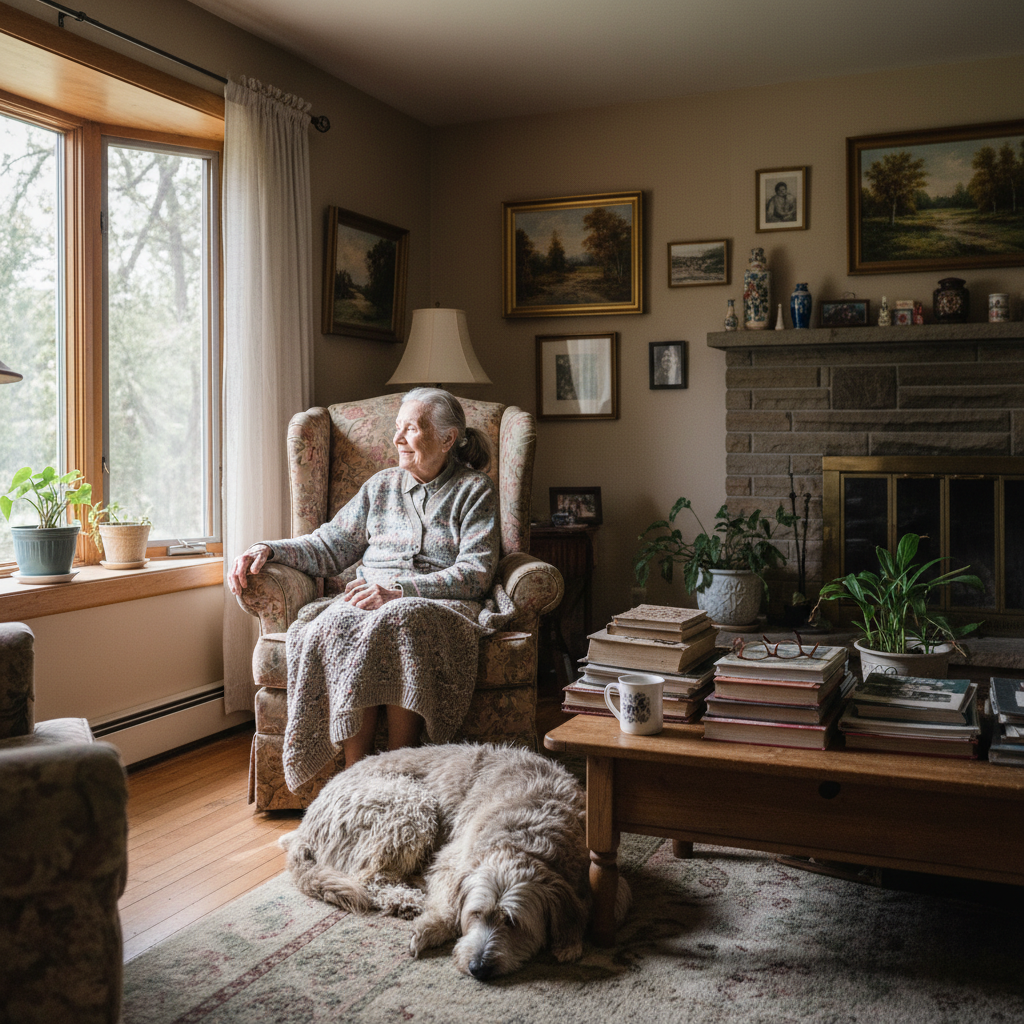
The Basic Formula: Age + Home Value = Borrowing Amount
A reverse mortgage allows Canadian homeowners aged 55 and older to convert a portion of their home equity into tax-free cash — without selling the home or making monthly mortgage payments. The amount you can borrow is expressed as a percentage of your home's appraised value, known as the Loan-to-Value (LTV) ratio.
In Canada, the maximum LTV for a reverse mortgage is approximately 55%, but most borrowers qualify for less than that. The two primary factors that determine your LTV are:
- Your age (or the age of the youngest borrower if applying jointly). Older borrowers qualify for a higher percentage because the expected loan duration is shorter.
- Your home's appraised value. The lender needs an independent appraisal to establish the current fair market value.
The Financial Consumer Agency of Canada (FCAC) requires all reverse mortgage lenders to clearly disclose the maximum amount a borrower can receive relative to their home's value. This disclosure must happen before any commitment is made.
LTV Ranges by Age
The following table shows the approximate LTV ranges available from Canadian reverse mortgage lenders. These figures are estimates — your actual LTV will depend on the specific lender, your property type, location, and current market conditions.
| Borrower Age | Approximate LTV Range | What This Means |
|---|---|---|
| 55–59 | 15–20% | Youngest eligible borrowers; lowest percentage |
| 60–64 | 20–30% | Still conservative; amount increases meaningfully |
| 65–69 | 25–35% | Most common age bracket for first-time applicants |
| 70–74 | 30–40% | Significant equity access now available |
| 75–79 | 35–45% | Higher LTV reflects shorter expected loan duration |
| 80–84 | 40–50% | Approaching maximum available percentages |
| 85+ | 45–55% | Maximum LTV range; up to 55% in some cases |
For joint applications, the LTV is based on the younger borrower's age. A 72-year-old applying with a 65-year-old spouse would be assessed at the 65-year-old's LTV range.
According to HomeEquity Bank, the provider of the CHIP Reverse Mortgage, the average Canadian reverse mortgage borrower accesses approximately 30–40% of their home's value, with the exact amount depending on age, property type, and location.
How Much Can You Get? Comparison by Home Value and Age
This is the table most Ontario homeowners want to see. It shows estimated reverse mortgage amounts across a range of home values and ages. All figures are approximate midpoint estimates.
| Home Value | Age 55 | Age 65 | Age 75 | Age 85+ |
|---|---|---|---|---|
| $400,000 | $60,000–$80,000 | $100,000–$140,000 | $140,000–$180,000 | $180,000–$220,000 |
| $600,000 | $90,000–$120,000 | $150,000–$210,000 | $210,000–$270,000 | $270,000–$330,000 |
| $800,000 | $120,000–$160,000 | $200,000–$280,000 | $280,000–$360,000 | $360,000–$440,000 |
| $1,000,000 | $150,000–$200,000 | $250,000–$350,000 | $350,000–$450,000 | $450,000–$550,000 |
These estimates assume the property is a standard freehold home in a well-served Ontario market. Condos, rural properties, and unique homes may have different LTV caps.
Rick Sekhon can provide a precise estimate based on your specific situation in a free, no-obligation consultation. The estimate takes about 15 minutes and requires only your age, approximate home value, and any existing mortgage balance.

Factors That Affect How Much You Can Get
Beyond age and home value, several other factors influence your reverse mortgage amount:
Property Type
Lenders assess different property types with different risk profiles. Freehold detached homes in urban and suburban Ontario typically qualify for the highest LTV. Condos, townhouses, and semi-detached homes may have slightly lower maximums. Rural properties and properties with acreage may face additional restrictions.
| Property Type | LTV Impact | Notes |
|---|---|---|
| Detached freehold (urban/suburban) | Highest LTV available | Standard underwriting |
| Semi-detached | Slightly lower in some cases | Depends on neighbourhood |
| Townhouse (freehold) | Comparable to detached | Strong demand in Ontario |
| Condominium | May be 5–10% lower LTV | Condo corporation health reviewed |
| Rural property (serviced) | May be 5–15% lower LTV | Limited comparables |
| Rural property (unserviced) | Significantly lower or ineligible | Water-access, seasonal, no municipal services |
For specific guidance on condos, see reverse mortgage on a condo in Ontario. For rural properties, see reverse mortgage on rural property in Ontario.
Location
Ontario's real estate market varies dramatically by region. Lenders assign different risk profiles to different areas:
- Greater Toronto Area (GTA): Highest property values, deepest market, best LTV terms
- Ottawa, Hamilton, Kitchener-Waterloo, London: Strong urban markets with good LTV terms
- Mid-size cities (Barrie, Kingston, Sudbury, Thunder Bay): Generally eligible with standard terms
- Cottage country (Muskoka, Kawarthas, Haliburton): Only if the property is a year-round principal residence
- Remote and northern communities: May fall outside lender service areas
Existing Mortgage Balance
If you have an existing mortgage or HELOC on your home, the reverse mortgage must pay it off first. The remaining balance after this payoff is what you receive as cash.
Example:
| Item | Amount |
|---|---|
| Home appraised value | $750,000 |
| Borrower age | 70 |
| Maximum reverse mortgage (approx. 35%) | $262,500 |
| Existing mortgage balance | $85,000 |
| Net cash to borrower | $177,500 |
This is one of the most important calculations in the process. Many Ontario seniors carry small remaining mortgages or HELOCs into retirement, and a reverse mortgage can eliminate those monthly payments while still providing significant additional funds. See paying off a mortgage with a reverse mortgage for a detailed walkthrough.
Property Condition
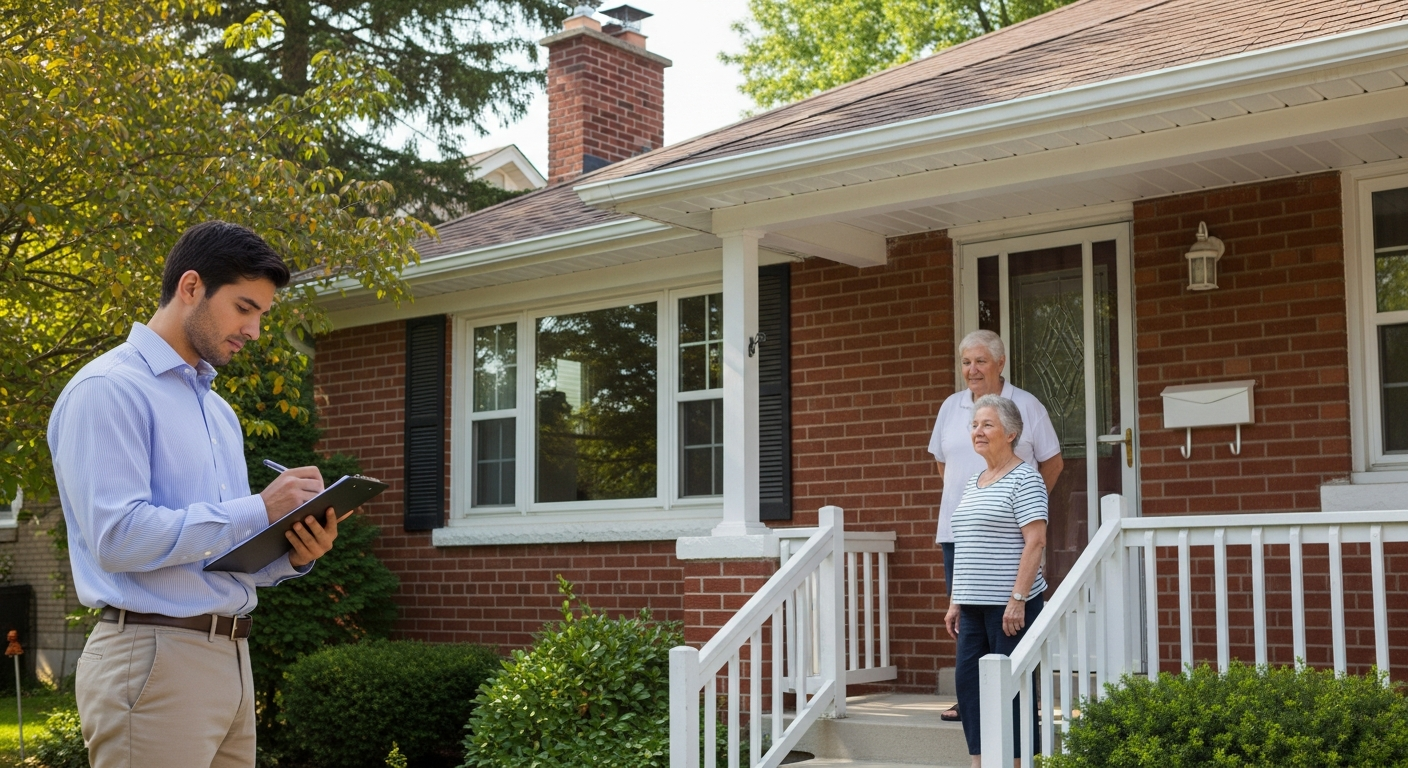
The appraised value of your home reflects its current condition. Homes with deferred maintenance, structural issues, or outdated systems will appraise lower — directly reducing the reverse mortgage amount available. For tips on maximizing your appraisal value, see how reverse mortgage appraisals work in Ontario.
Lender Differences
Each of the four Canadian reverse mortgage lenders uses slightly different underwriting criteria. Working with an experienced broker like Rick Sekhon ensures your application goes to the lender that offers the best terms for your specific situation.
| Lender | Maximum LTV (Advertised) | Minimum Property Value | Notable Features |
|---|---|---|---|
| HomeEquity Bank (CHIP) | Up to 55% | ~$250,000 | Largest reverse mortgage lender in Canada |
| Equitable Bank | Up to 55% | ~$250,000 | Competitive rates; strong in Ontario |
| Bloom Financial | Up to 55% | ~$250,000 | Lifetime rate-lock option available |
| Home Trust (EquityAccess) | Up to 55% | ~$350,000 | Higher minimum value; selective markets |
For a full comparison of all four lenders, see the four-lender reverse mortgage comparison for Ontario.
How the CHIP Calculator Works
HomeEquity Bank offers an online calculator on their website that provides a quick estimate of how much you might qualify for. The calculator asks for three inputs:
- Your date of birth (and your spouse's, if applicable)
- Your home's estimated value
- Your property's postal code
The result is an estimated range — not a guaranteed amount. The actual amount is determined only after a formal application, independent appraisal, and full underwriting review.
Rick Sekhon recommends using the CHIP calculator as a starting point, then calling for a detailed consultation. The calculator does not account for property condition, existing liens, or lender-specific underwriting nuances that can significantly affect the final amount.
Lump Sum vs Scheduled Advances
How you receive your reverse mortgage funds also affects the total amount available. Most lenders offer two primary options:
- Lump sum: Receive the full approved amount at closing. This gives you immediate access to the maximum funds.
- Scheduled advances (planned advances): Receive an initial amount at closing, with the remainder drawn down in scheduled payments over time. This reduces interest costs because you only pay interest on the amount actually drawn.
The total amount you are approved for does not change based on the payout method — but the net cost of the loan over time does. For a full comparison, see reverse mortgage lump sum vs monthly payments.
How Interest Affects the Amount You Ultimately Owe
Understanding how much you can borrow is only half the equation. The other half is understanding how much you will owe when the loan comes due. Reverse mortgage interest compounds over time because there are no monthly payments.
| Amount Borrowed | Interest Rate | Balance After 5 Years | Balance After 10 Years | Balance After 15 Years |
|---|---|---|---|---|
| $150,000 | 6.99% | $210,200 | $294,600 | $412,800 |
| $250,000 | 6.99% | $350,300 | $491,000 | $688,000 |
| $350,000 | 6.99% | $490,400 | $687,400 | $963,200 |
Figures assume annual compounding at a fixed rate. Actual rates and compounding methods vary by lender.
The Office of the Superintendent of Financial Institutions (OSFI) requires lenders to provide borrowers with clear projections of how their loan balance will grow over time. This information is part of the disclosure package you receive before signing.
It is worth noting that Canadian reverse mortgages include a no-negative-equity guarantee — you will never owe more than the fair market value of your home at the time of sale, even if the loan balance exceeds the property value due to a market downturn.
For detailed interest projections, see reverse mortgage compound interest projections.
Does Income or Credit Score Matter?
Unlike traditional mortgages and HELOCs, reverse mortgages do not require income qualification or credit score checks. There are no monthly payments to make, so the lender does not need to verify your ability to service debt.
However, you must demonstrate that you can continue to:
- Pay property taxes on time
- Maintain homeowner's insurance
- Keep the property in reasonable condition
If lenders have concerns about your ability to meet these obligations, they may set aside a portion of your reverse mortgage funds in a reserve account for property taxes and insurance. This reduces the cash you receive but protects both you and the lender.
For more on these ongoing obligations, see reverse mortgage property tax and insurance obligations.
OAS and GIS Considerations
One of the significant advantages of a reverse mortgage is that the funds are not considered income by the Canada Revenue Agency (CRA). This means receiving $200,000 from a reverse mortgage will not:
- Trigger the Old Age Security (OAS) clawback
- Reduce your Guaranteed Income Supplement (GIS) eligibility
- Increase your marginal tax rate
- Affect your Canada Pension Plan (CPP) benefits
This is a critical distinction from other equity-access strategies like selling your home (which may trigger capital gains on non-principal-residence portions) or withdrawing from RRIFs (which counts as taxable income). For a full comparison, see RRIF vs reverse mortgage for retirement cash flow.
FAQ
What is the maximum I can borrow with a reverse mortgage in Ontario? The maximum is approximately 55% of your home's appraised value, available to borrowers aged 85 and older with high-value properties in strong urban markets. Most borrowers qualify for 25–45% depending on age, property type, and location.
Does my spouse's age affect the amount? Yes. For joint applications, the LTV is calculated based on the younger spouse's age. If you are 75 and your spouse is 62, the LTV will reflect the 62-year-old's lower percentage. This is because the loan must remain sustainable for the full life expectancy of both borrowers.
Can I increase my reverse mortgage amount later? In some cases, yes. If your home has appreciated in value or if you have aged into a higher LTV bracket, you may be able to refinance your reverse mortgage for a higher amount. This involves a new application, a new appraisal, and new closing costs. Rick Sekhon can advise whether refinancing makes sense in your situation.
Is there a minimum amount I must borrow? Yes. Most lenders have a minimum advance of approximately $20,000–$25,000 for the initial draw. This minimum ensures the transaction is cost-effective given the fixed closing costs involved.
How accurate are online reverse mortgage calculators? Online calculators provide rough estimates only. They do not account for property condition, existing liens, condo corporation issues, or lender-specific underwriting criteria. Use them as a starting point, then contact Rick Sekhon for a precise assessment tailored to your property and circumstances.
Will home improvements increase the amount I can borrow? Indirectly, yes. Home improvements that increase the appraised value of your property will increase the borrowing amount, since the reverse mortgage is calculated as a percentage of appraised value. However, the cost of renovations must be weighed against the incremental borrowing increase. For renovation planning, see reverse mortgage for home renovations in Ontario.
Speak to a licensed mortgage professional. Independent legal advice is required before closing a reverse mortgage in Ontario.
Get your free Ontario Reverse Mortgage Guide →
This content is for illustrative purposes only. Rates may vary. Call Rick Sekhon for the best rates and more information.
Ready to Learn More?
Find out exactly how much you could unlock from your home — free and no obligation.
Related Articles
How Reverse Mortgage Appraisals Work in Ontario
Complete guide to the reverse mortgage appraisal Ontario process: costs, preparation tips, what appraisers evaluate, and how your home's value determines borrowing limits.
Read →Reverse Mortgage Calculator Ontario: How Much Can You Borrow?
Discover how much you can borrow with a reverse mortgage in Ontario. Independent guide covering age tiers, home value, and the four key factors lenders use.
Read →Reverse Mortgage Interest Rates Ontario 2026: Current Rates & What They Mean
Current reverse mortgage interest rates in Ontario for 2026. Compare rates from CHIP, Equitable Bank, Bloom, and Home Trust. Learn what rates mean for your home equity over time.
Read →