
Reverse Mortgage for Hoarding: Creating Safe, Functional Living Spaces
How to use a reverse mortgage to address hoarding behaviors and create safe, accessible living spaces for aging in place with dignity.
Hoarding is a compulsive behavior that affects an estimated 2-5% of Canadians—and it becomes more pronounced with age. If you or your aging parent struggles with accumulating possessions, your home can become unsafe: fire hazards, trip risks, pest infestations, and isolation. A reverse mortgage can fund the professional support, organization systems, and modifications needed to create a livable, safe space.
Hoarding isn't laziness or simple clutter. It's often rooted in trauma, loss, grief, or anxiety. Addressing it requires compassion, professional help, and realistic financial support. This guide shows how a reverse mortgage can make aging in place possible when hoarding has made it otherwise impossible.
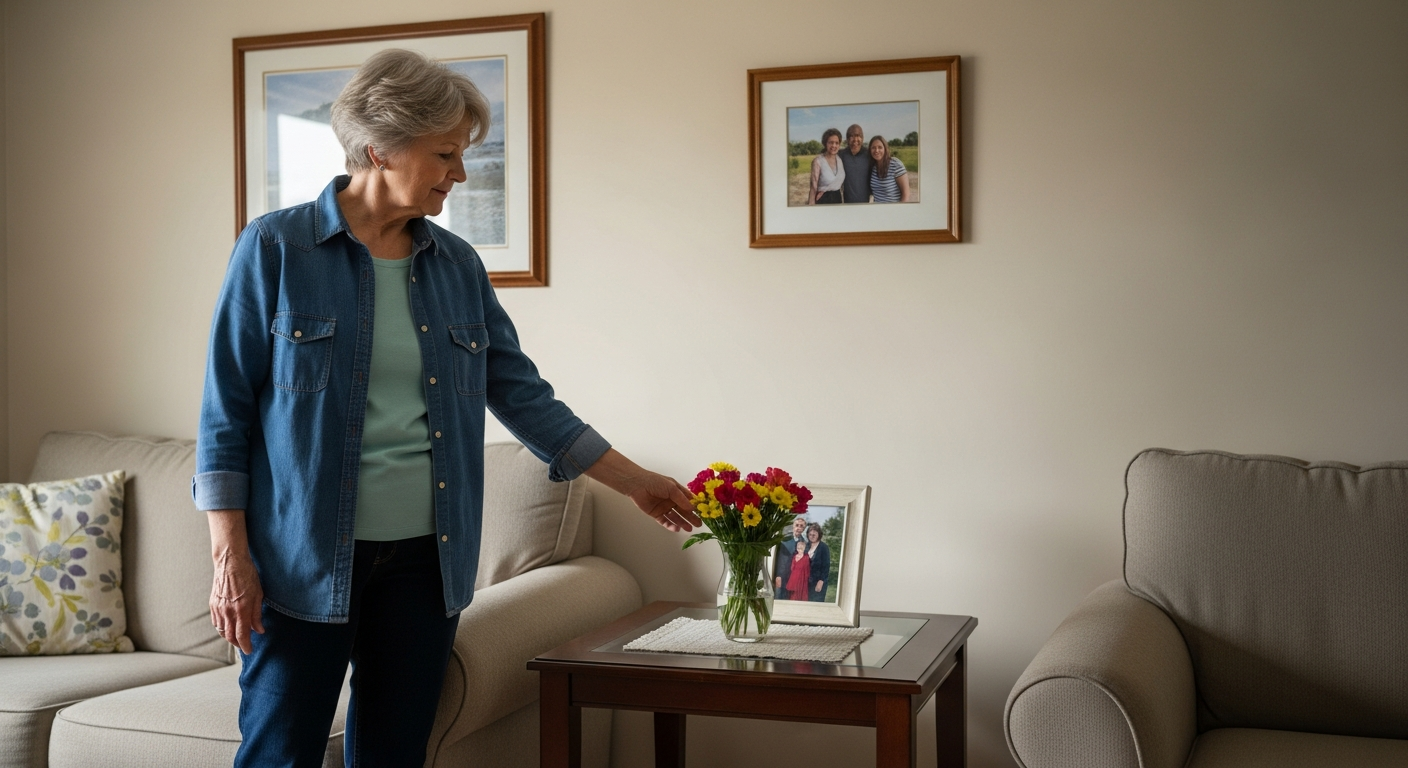
Understanding Hoarding Disorder in Aging Adults
Hoarding disorder is clinically recognized in the DSM-5 (Diagnostic and Statistical Manual of Mental Disorders) as a mental health condition characterized by:
- Persistent difficulty discarding possessions (regardless of actual value)
- Emotional distress at the thought of discarding
- Clutter that prevents normal use of living spaces
- Distress or impairment in functioning
Why it worsens with age:
- Loss and grief—accumulated possessions become emotional anchors after spousal death, retirement, or loss of role
- Cognitive decline—decision-making becomes harder; easier to keep than decide
- Isolation—fewer visitors means hoarding goes unaddressed
- Fixed income—scarcity mindset intensifies (inability to replace items)
- Disability—reduced mobility makes organizing feel impossible
According to the International OCD Foundation, hoarding in seniors is frequently connected to untreated depression, anxiety, or unresolved trauma. Without intervention, it becomes a significant safety risk and barrier to aging in place.
The Safety Risks of Hoarding in Your Home
A home filled with excessive possessions creates genuine hazards:
| Safety Risk | Impact | Ontario Relevance |
|---|---|---|
| Fire hazard | Blocked exits, flammable materials blocking sprinklers | Fire code violations; insurance may not cover damage |
| Trip/fall risk | Narrow pathways, clutter on stairs | Leading cause of injury in seniors 65+ |
| Pest/rodent infestation | Disease, allergies, structural damage | Requires professional extermination ($500-3,000) |
| Blocked emergency exits | Inability to evacuate quickly | Paramedics may refuse entry; delays treatment |
| Bathroom/kitchen inaccessibility | Inability to bathe, cook safely | Accelerates move to long-term care |
| Mold/moisture | Respiratory issues, worsening asthma/COPD | Requires professional remediation ($1,500-5,000) |
Long-term care homes, retirement communities, and home care agencies will often refuse service in hoarding situations due to safety liability. This traps aging adults in unsafe homes precisely when they need the most support.
How a Reverse Mortgage Funds Solutions
A reverse mortgage can provide capital for the multi-step process of safely and compassionately addressing hoarding:
Step 1: Professional Psychological Support ($2,000-8,000)
Hoarding cannot be solved by simply removing items. That approach—often called "forced decluttering"—can traumatize the person and cause the behavior to intensify. Instead:
- Cognitive-behavioral therapy (CBT) specializing in hoarding disorder — a therapist helps address the underlying anxiety, loss, or trauma
- Occupational therapy assessment — an OT evaluates how the person uses spaces and recommends modifications
- Social work support — helps address isolation and grief
These professionals are critical to sustainable change. Ontario public health covers some mental health services, but waitlists are 3-6 months. A reverse mortgage can fund private therapists (typically $150-250/hour) to start immediately.
Step 2: Professional Organizing with Psychological Sensitivity ($3,000-10,000)
Once therapy begins, a specialized organizer (not a junk removal company) works at the person's pace:
- Hoarding-specific organizers — trained to work with people with hoarding disorder, not judgmentally rushing the process
- Pacing — work happens slowly, with frequent breaks, decision support, and emotional check-ins
- Item-by-item decisions — keep, donate, sell, recycle—each decision is supported
- System creation — establish organizing systems that work with the person's habits, not against them
Costs vary: $50-100/hour, typically 40-80 hours over 3-6 months = $2,000-8,000.
Step 3: Home Modifications for Safety and Functionality ($5,000-20,000)
Once spaces are cleared, modifications create a safe, age-appropriate home:
- Widened pathways for mobility aids
- Grab bars, ramps, or threshold removals
- Improved lighting (especially on stairs)
- Non-slip flooring
- Accessible kitchen and bathroom layouts
- Storage solutions that prevent re-accumulation
A reverse mortgage can fund these renovations while the person is receiving therapy—ensuring the home remains safe once cleared.
Step 4: Ongoing Support ($200-500/month)
Hoarding often recurs without ongoing support. A reverse mortgage can fund:
- Monthly check-ins with a therapist or social worker
- A home care aide for 2-4 hours weekly to help maintain organization
- Support groups (often free, but transportation may require funding)
Real-World Scenario: Joan's Story
Joan (72) has lived in the same Toronto home for 48 years. After her husband's death 12 years ago, she began accumulating—mostly sentimental items, but also "deals" and "things that might be useful." Today, her home is unsafe. Fire hazards block doorways. The bathroom is inaccessible. Her adult children are concerned but don't know how to help without traumatizing their mother.
Joan's reverse mortgage strategy:
- Secures $60,000 reverse mortgage (her home is valued at $650,000)
- Allocates $5,000 for psychiatric evaluation and therapy (6 months)
- Allocates $7,000 for specialized organizing over 6 months
- Allocates $8,000 for home modifications (accessible bathroom, better lighting, pathways)
- Allocates $2,000 for monthly check-ins with social worker for 12 months
- Remaining $38,000 stays in reserve for ongoing support and living expenses
Outcome: Joan's home becomes safe and functional. She can bathe independently, move safely, and welcome her grandchildren. She's connected to a support network and therapy. Her RM interest is ~$390/month, manageable from her CPP and OAS ($2,100/month combined).
Addressing Family Dynamics
Hoarding often creates family conflict. Adult children want to "fix" the problem; the parent experiences this as judgment and loss. A reverse mortgage helps by:
1. Removing the need for family conflict over money — "Your children can't afford to help" becomes "You can fund professional help yourself."
2. Establishing clear boundaries — Family members aren't the organizers, therapists, or decision-makers. Professionals are. This reduces blame and resentment.
3. Pacing change gradually — Rather than a traumatic "clean-out day," professionals work at the person's emotional pace.
4. Ensuring sustainability — With therapy and support, the person changes the underlying behavior, not just the appearance of the home.
Adult children should communicate: "We love you. We're concerned about your safety. We want to help you get professional support—a therapist, an organizer, and helpers to make your home safe. A reverse mortgage lets you fund this yourself, on your timeline."
Eligibility and Next Steps
To use a reverse mortgage for hoarding support:
You must:
- ✓ Be at least 55 years old
- ✓ Own your home (condo, townhouse, or house acceptable)
- ✓ Have sufficient equity (typically 20%+ of home value)
- ✓ Have the mental capacity to understand the loan (cognitive assessment may be required)
You may want:
- A family meeting with adult children to discuss the plan
- A therapist or social worker already lined up (shortens waitlist)
- A real estate appraisal to understand available funds
Speak with Rick Sekhon Reverse Mortgages to discuss your specific situation. The conversation is confidential and non-judgmental. Hoarding is common in aging populations; lenders understand it and have worked with similar situations.
Financial Impact on Government Benefits
Reverse mortgage proceeds don't affect CPP, OAS, or GIS—they're non-taxable loans, not income. However, if the RM is used to purchase investments or generate income, consult an accountant.
According to the Canada Revenue Agency (CRA), loan advances are not income and don't trigger benefit clawback.
Comparison: Costs of Not Addressing Hoarding
| Scenario | Cost | Timeline |
|---|---|---|
| Do nothing; rely on family | Unpaid labor, family conflict, eventual forced move to care home | 3-5 years to crisis |
| Use reverse mortgage for professional support | $20,000-40,000 upfront + $200-300/month ongoing | 6-12 months to stability |
| Emergency move to assisted living when crisis occurs | $3,000-5,000/month, loss of independence | Immediate, often traumatic |
The reverse mortgage approach is the least expensive long-term and preserves dignity and autonomy.
Quick Reference
| Resource Type | Cost Range | Typical Duration |
|---|---|---|
| Therapy/Counseling (CBT-trained) | $150-250/hour; $2,000-8,000 total | 12-24 weeks |
| Specialized Organizing | $50-100/hour; $2,000-8,000 total | 20-40 hours over 3-6 months |
| Home Modifications | $5,000-20,000 | 4-8 weeks |
| Monthly Support (social worker/aide) | $200-500/month | Ongoing, as needed |
Frequently Asked Questions
Can I get a reverse mortgage if I have hoarding disorder?
Yes. Lenders require proof of mental capacity, not perfection. A psychiatrist's letter confirming you understand the loan terms is typically sufficient. If cognitive decline is significant, a capacity assessment may be required.
Will family members object to the reverse mortgage?
Possibly, if they fear you're "wasting" money. Frame it as: "This is my home equity. I'm using it to stay safe and independent—exactly what it's designed for."
What if I can't afford the monthly interest payments?
The RM is non-recourse and doesn't require monthly payments. Interest accrues and is paid when the home is sold or the loan ends. However, ensure you can cover property taxes, insurance, and maintenance from CPP/OAS.
Can the organizer force me to discard things I want to keep?
No. A specialized organizer works at your pace and respects your emotional attachments. If an organizer rushes or judges, find a different one.
Will therapy actually change my hoarding behavior?
Studies show CBT is effective in 60-70% of cases, especially when combined with social support and medication (if underlying depression/anxiety is present). Change takes time but is possible at any age.
What if my family doesn't support my decision to get a reverse mortgage?
This is your home and your money. Adult children may worry about inheritance, but your safety and dignity take priority. Honest family conversations help, but ultimately, this is your decision.
Key Takeaways
- Hoarding in aging adults is a mental health condition requiring professional support, not judgment
- A reverse mortgage can fund therapy, professional organizing, and home modifications
- Addressing hoarding creates a safe, accessible home and preserves independence
- Costs are manageable compared to emergency long-term care moves
- Family communication and professional help together create sustainable change
Hoarding doesn't define your value or your home's potential. With the right support—funded by a reverse mortgage—you can reclaim your space, your safety, and your dignity while aging in place.
Ready to Learn More?
Find out exactly how much you could unlock from your home — free and no obligation.
Related Articles
Reverse Mortgage for Comprehensive Geriatric Care Assessment and Care Planning Services
Professional geriatric assessment identifies aging needs comprehensively. A reverse mortgage can fund the specialist evaluation that creates effective long-term care plans.
Read →Aging in Place with a Reverse Mortgage: Home Modification Guide
How Ontario seniors can fund aging-in-place home modifications with a reverse mortgage — costs, top modifications, grants, and a complete planning guide.
Read →Reverse Mortgage for Aging in Place With Fibromyalgia: Home Modifications for Invisible Illness
Fund home modifications for aging with fibromyalgia. Reverse mortgage enables accessible design for pain management, energy conservation, and quality of life.
Read →