
Reverse Mortgage for Adult Child Transitioning From Contract Work to Permanent Employment
Bridge income volatility when your adult child transitions from precarious contract work to stable permanent employment — reverse mortgage smooths the transition.
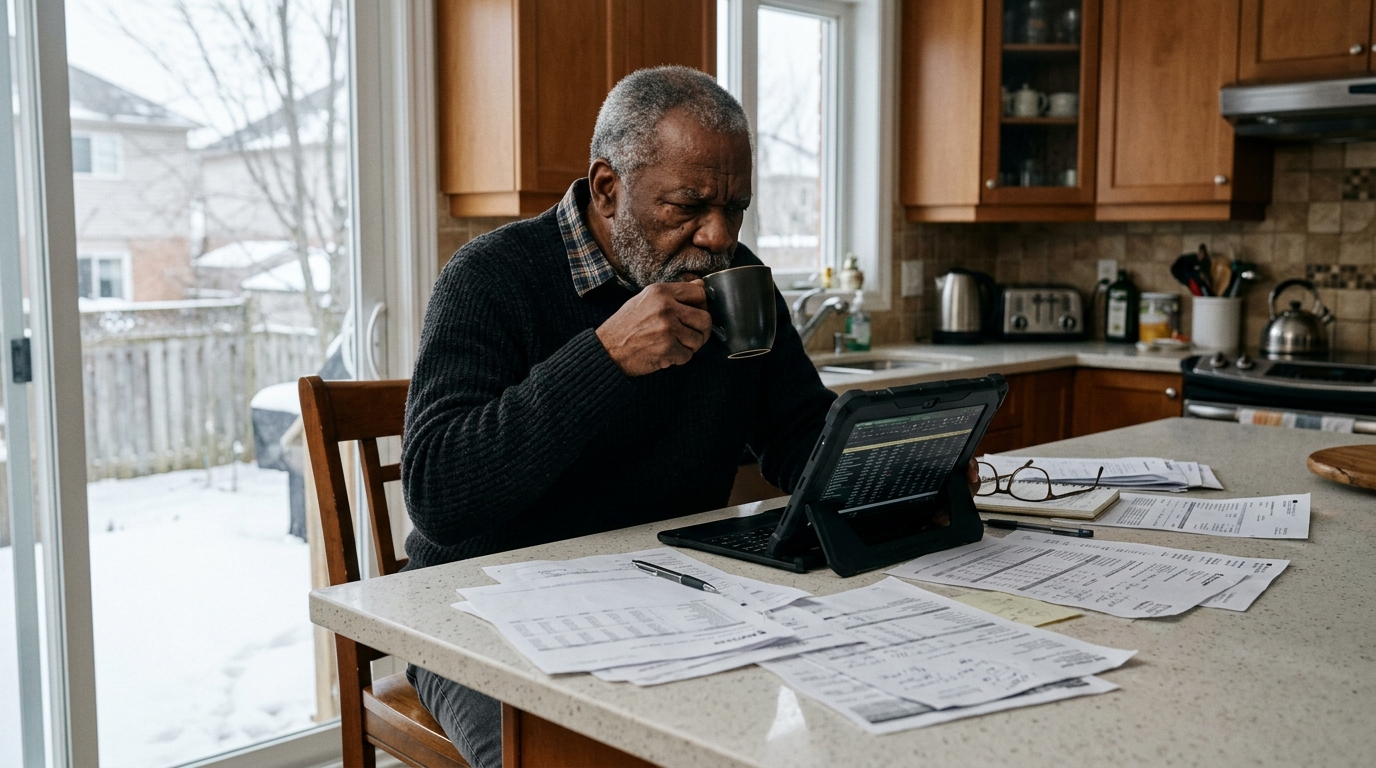
What happens when your adult child takes a lower-paying permanent job to escape contract work volatility? The trade-off is immediate income reduction (sometimes 20-30%) before the stability benefit materializes. A reverse mortgage bridges this income cliff during the critical 6-12 months of transition.

A reverse mortgage enables your adult child to accept permanent employment without household financial collapse due to initial income loss.
Why Contract Work to Permanent Employment Is Financially Risky
Your adult child's contract-to-permanent transition faces a hidden income cliff:
Contract work reality:
- Income: $80,000-120,000 annually (depending on contract demand and rate)
- Hours: Variable; 40-60+ hours/week during contract; 0-20 hours between contracts
- Job security: Contract ends; unemployment gap possible (weeks to months)
- Benefits: None (self-responsible for health, dental, disability insurance)
- Taxes: Self-employed (higher tax burden; CPP contributions higher)
Permanent employment opportunity:
- Income: $55,000-75,000 (typically 30-40% lower base salary)
- Hours: Stable 37.5-40 hours/week; predictable
- Job security: Tenure, union protection, seniority
- Benefits: Full employer coverage (health, dental, pension, disability)
- Taxes: Employed; lower overall tax burden; CPP employer-paid portion
The transition problem:
- Contract work averaging $100,000/year → Permanent job at $70,000/year = $30,000 immediate income loss
- Expected: Benefits save $3,000-5,000/year in insurance costs
- Income gap: $25,000-27,000 (25-27% household income reduction)
- Timeline: Benefit realization takes 6-12 months; immediate sacrifice is acute
Many contract workers REJECT permanent employment because the immediate income cut is unsustainable. A reverse mortgage bridge enables acceptance.
Real Cost Scenarios: Contract vs. Permanent Transition
Scenario A: Contract work continues (no transition)
- Annual income (with volatility): $100,000 base; 2-3 week annual downtime = $95,000 realized
- Self-employed benefits burden: $8,000/year (health, dental, disability insurance)
- Self-employment taxes: $18,000/year (CPP, income tax)
- Net take-home: $69,000
- Job security: Moderate (contract demand cycles; always risk of project ending)
- Future aging-in-place impact: Income becomes uncertain; home maintenance at risk; caregiving income unpredictable
Scenario B: Permanent employment with reverse mortgage bridge
- Base salary: $70,000 (first-year stable)
- Employer benefits: $6,000-8,000 value (health, dental, pension, disability)
- Taxes (as employee): $11,000/year (CPP employer-paid; lower overall)
- Reverse mortgage bridge: $25,000 (year 1 only)
- Net take-home (year 1): $70,000 + $7,000 benefit value + $25,000 bridge = $102,000
- Net take-home (year 2+): $70,000 + $7,000 + promotion increases = $77,000+
- Job security: High (union/tenure; income stable for next 30+ years)
- Aging-in-place impact: Stable income; pension growing; home maintenance priority becomes sustainable
Bridge cost analysis:
- Year 1 reverse mortgage draw: $25,000
- Interest cost: $25,000 @ 4.8% = $1,200 annual interest
- Benefit accrual: Permanent job tenure, pension value, benefit security
- ROI: Sacrifice $1,200/year in interest costs to secure 30-year stable income; pension value $300,000+
The bridge is economically rational; the income uncertainty of contract work poses greater household risk than the cost of a one-year bridge.
How Reverse Mortgage Bridges the Contract-to-Permanent Gap
A reverse mortgage line of credit structures the bridge:
- Your adult child identifies permanent job opportunity (different employer, different industry sector, or same employer converting contract to permanent)
- Income analysis shows immediate reduction (contract $100K → permanent $70K = $30K gap)
- Reverse mortgage line of credit accessed ($25,000-30,000 advance)
- Child begins permanent employment; salary begins flowing to household
- Reverse mortgage draws supplement income for first 6-12 months until benefits and tenure increases mitigate initial salary cut
- Year 2+: Child's seniority increases, raises begin, permanent job stability compounds in value; reverse mortgage bridge is repaid
- Outcome: Child is in stable permanent employment; household weathered income transition
| Year | Permanent Job Income | Benefits Value | Reverse Mortgage Draw | Total Household | vs. Continuing Contract |
|---|---|---|---|---|---|
| Year 1 | $70,000 | $7,000 | $25,000 | $102,000 | +$7,000 (vs. $95K contract) |
| Year 2 | $73,000 | $7,500 | $0 | $80,500 | +$11,500 (vs. $95K contract) |
| Year 3 | $76,000 | $8,000 | $0 | $84,000 | +$15,000 (vs. contract with risk) |
| Year 5 | $85,000 | $10,000 | $0 | $95,000 | +$25,000+ (stable) |
Structuring the Bridge for Maximum Impact
The reverse mortgage bridge works best with clear structuring:
Recommended approach:
- Reverse mortgage type: Line of credit (draw as needed; pay interest only on draws)
- Initial authorization: $25,000-35,000 available (covers 6-12 month gap)
- Draw schedule: Monthly draws ($2,000-3,000) or quarterly ($6,000-8,000) matching household budget pressure points
- Timeline: Draws taper year 2 as child's salary becomes established; fully eliminated by year 3
- Repayment plan: Child begins making payments to parent at year 2 (if income permits) or reverse mortgage stands against home through retirement
Alternative approach (if child has co-borrower/spouse):
- Second income from spouse may reduce bridge need
- Combined household income assessment determines bridge size
- Spouse's career stability may accelerate payoff timeline
Why This Matters for Long-Term Household Security
Contract work creates hidden retirement risk for aging parents:
| Scenario | Aging Parent Impact | 10-Year Impact |
|---|---|---|
| Adult child in contract work | Income unpredictable; can't reliably help with aging-parent care costs or elder support | At 65-70, aging parent faces caregiver uncertainty; adult child's income may collapse if contracts end; household stability fragile |
| Adult child in permanent employment | Income stable; pension growing; can sustain caregiving role; reliable for parent support | Aging parent has predictable household support; adult child's pension provides security; family income grows with tenure |
Permanent employment security compounds over decades. Your adult child's shift to stable work creates long-term security that benefits aging parents in later years.

Key Takeaways
- Contract-to-permanent employment creates immediate 25-30% income reduction: Initial salary cut must be bridged
- Reverse mortgage bridge costs $1,000-2,000/year in interest: Small price for securing 30-year stable income
- Benefits and pension growth offset salary cut within 2-3 years
- Permanent employment stability compounds: Tenure, raises, pension value grow with time
- Long-term household security improves dramatically: Aging parents benefit from adult child's stable income decades later
- Bridge is typically one-time need: Year 2+ permanent job growth makes bridge unnecessary
When to Consider This Bridge
Your adult child should accept permanent employment with reverse mortgage bridge support if: ✓ Contract work is volatile (variable hours, income uncertainty, job security risk) ✓ Permanent opportunity offers tenure, seniority, or union protection ✓ Initial salary cut is sustainable with bridge (not more than 30-35%) ✓ You have home equity to support 6-12 month bridge ✓ Adult child commits to remaining in permanent role (not returning to contract work) ✓ Long-term security benefits outweigh short-term income sacrifice
Avoid bridge if: ✗ Permanent opportunity is still unstable (trial period, weak employer, industry declining) ✗ Your retirement home equity is tight; you need all funds for aging-in-place care ✗ Adult child has history of job-hopping (may leave permanent job after bridge is used) ✗ Bridge would exceed your total available equity
Frequently Asked Questions
If my adult child gets a permanent job, shouldn't their employer transition them gradually to avoid income drop?
Ideally, yes. Some employers offer transition payments or contract-to-permanent bridges. However, most employers simply replace the contract rate with permanent salary — no transition. Pushing back on employer offer may cost the opportunity. A reverse mortgage bridge from family is faster and lower-friction than negotiating employer transition terms.
What if my adult child's permanent job ends after the bridge is used? Am I stuck with the debt?
Yes. The reverse mortgage is YOUR loan, secured by YOUR home. If your child's employment ends after the bridge, you're responsible for the reverse mortgage obligation. This is why you should only bridge for stable permanent opportunities (union, tenure-track, established employer) — not for "might be permanent" situations.
Can my adult child repay the reverse mortgage bridge quickly if their permanent job includes raises or bonuses?
Yes, absolutely. If their permanent job includes merit raises or performance bonuses, accelerated repayment is possible. Many people prefer to repay within 2-3 years (not carrying it through full retirement). Early repayment has no penalty on reverse mortgages.
How does taking a permanent job (with initial income cut) affect my adult child's ability to get a mortgage on their own home?
Initial income reduction may affect mortgage qualification temporarily. A lender looks at 2 years of income history; an income drop in year 1 appears as variable income. By year 2-3, permanent employment income stability improves mortgage qualification. If your child plans to buy a home, timing the permanent job transition 2+ years before a home purchase strengthens mortgage application.
Can I structure this as a formal loan to my adult child, or does it have to be a reverse mortgage?
It can be either. A formal family loan (documented with promissory note) is separate from reverse mortgage. However, if you don't have liquid savings to lend, a reverse mortgage converts home equity into liquid funds for lending. Many parents prefer the reverse mortgage approach because it taps home equity without depleting retirement savings.
What if my adult child and I disagree on whether permanent employment is a good move?
Have this discussion upfront. Permanent employment is objectively better for long-term household stability (pension, tenure, benefits). If your child is hesitant, understand their concerns (loss of income flexibility, career growth perception, field expertise). If the permanent role aligns with their long-term goals, the bridge is justified.
Ready to Learn More?
Find out exactly how much you could unlock from your home — free and no obligation.
Related Articles
Reverse Mortgage for Adult Child Working as Independent Contractor: Income Stability Strategy
Supporting adult child with variable contractor income using reverse mortgage. Stable housing solution for freelance workers, consultants, and gig professionals in Ontario.
Read →Reverse Mortgage When Your Adult Child Is Between Jobs: Career Transition Gap Funding
Support your adult child during planned career transitions. Fund income gaps between jobs without them taking on personal debt.
Read →Reverse Mortgage for Accessible Community Kitchen: Culinary Training and Aging in Place
Convert your home kitchen into an accessible commercial culinary training space. Reverse mortgage funds renovation while creating community impact.
Read →