
Reverse Mortgage for Art Studio Setup: Fund Your Retirement Creative Space
Use a reverse mortgage to build an art studio or creative workspace in retirement. Turn your home into a studio for painting, pottery, or crafts.
"I've always wanted to paint seriously, but I don't have the space or funds to set up a real studio—shouldn't I have done this while working?" Not at all. Retirement is the perfect time to pursue creative passions, and a reverse mortgage can unlock the funds to transform a spare room, basement, or garage into a professional art studio without monthly payments. Here's how Ontario seniors are reclaiming their creative dreams through home equity.
This article is for educational purposes only and does not constitute financial advice.
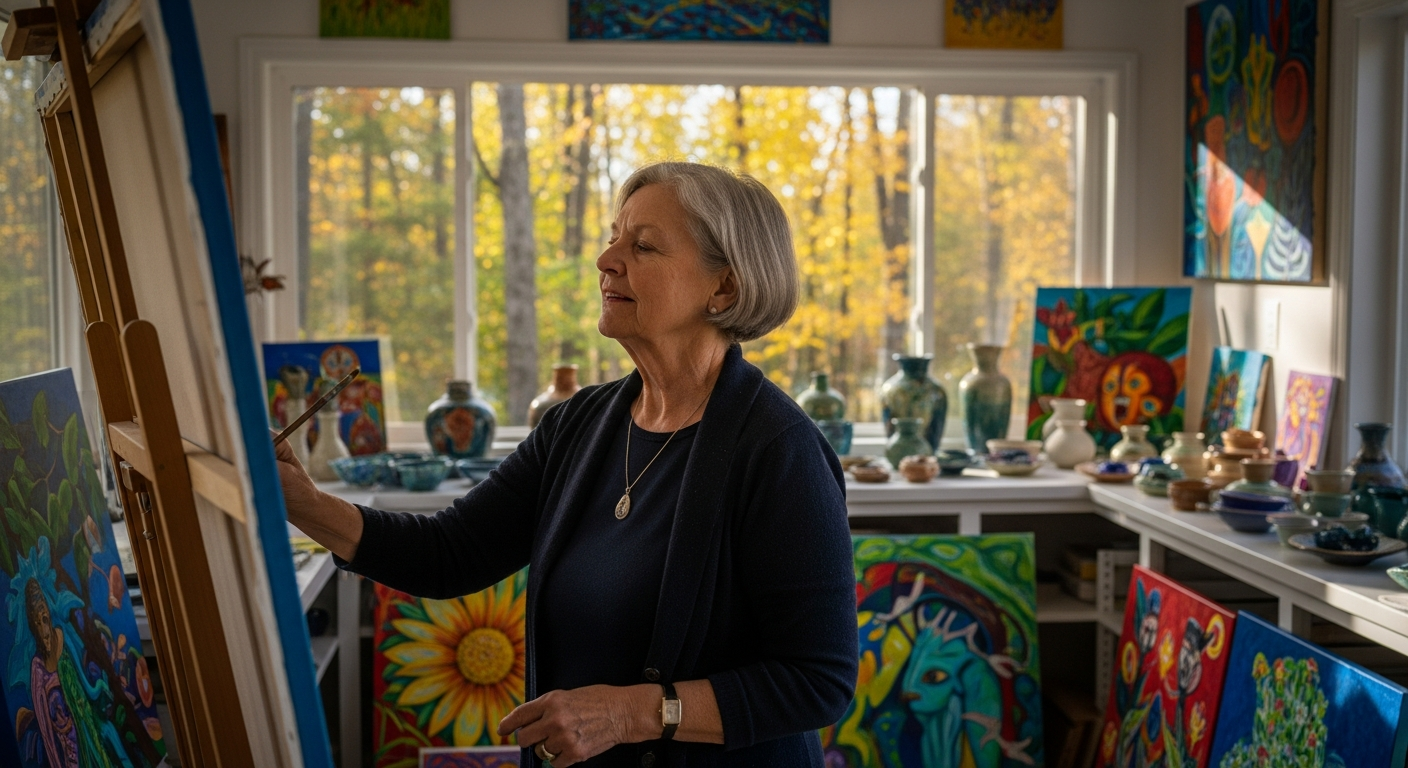
Why Retirement is the Perfect Time for a Creative Studio
Creating art in retirement offers profound benefits:
- Mental health: Creative pursuits significantly reduce stress and depression in aging populations
- Purpose and identity: A creative practice provides daily purpose beyond caregiving or family obligations
- Social connection: Art classes and studio groups create community and friendships
- Legacy building: Your art becomes a lasting gift for family and future generations
- Financial opportunity: Some retirees sell their work, creating new income
Yet many Ontario seniors abandon creative dreams because they lack dedicated space and funds for setup—a problem a reverse mortgage elegantly solves.
What Constitutes a Quality Art Studio?
Studio Essentials by Creative Discipline
| Creative Discipline | Key Equipment | Typical Setup Cost |
|---|---|---|
| Painting (Oil/Acrylic) | Easels, canvases, paints, lighting, ventilation | $3,000–$7,000 |
| Watercolor & Drawing | Drafting tables, natural light, storage, supplies | $2,000–$4,000 |
| Sculpture & Stone Carving | Workbench, tools, dust collection, safety equipment | $4,000–$10,000 |
| Pottery & Ceramics | Potter's wheel, kiln, clay storage, workbench | $5,000–$15,000 |
| Jewelry Making | Jeweler's bench, tools, kiln, magnification, ventilation | $3,000–$8,000 |
| Digital Art & Design | Computer, graphics tablet, software, monitor, lighting | $2,000–$6,000 |
| Textile Arts & Weaving | Loom, yarn storage, dyes, ventilation, workspace | $2,000–$8,000 |
A basic, functional art studio for painting or drawing costs $2,000–$5,000. A professional setup with a dedicated kiln or advanced equipment runs $8,000–$20,000.
Real Ontario Stories: From Spare Room to Studio
Story 1: Helen's Watercolor Studio in Burlington
Helen, 72, had always painted as a hobby but worked full-time as an accountant. In retirement, she wanted a serious practice. Her Toronto home had a north-facing room perfect for natural light. Using a reverse mortgage, Helen invested $4,500 in:
- Professional drafting table and chair ($1,200)
- Architectural lighting system ($800)
- Custom shelving and storage ($1,500)
- High-quality watercolor supplies and paper ($800)
- Flooring protection and ventilation ($200)
Today, Helen hosts monthly watercolor meetups in her studio, exhibits at local galleries, and teaches workshops. Her space has become a creative hub for neighborhood artists.
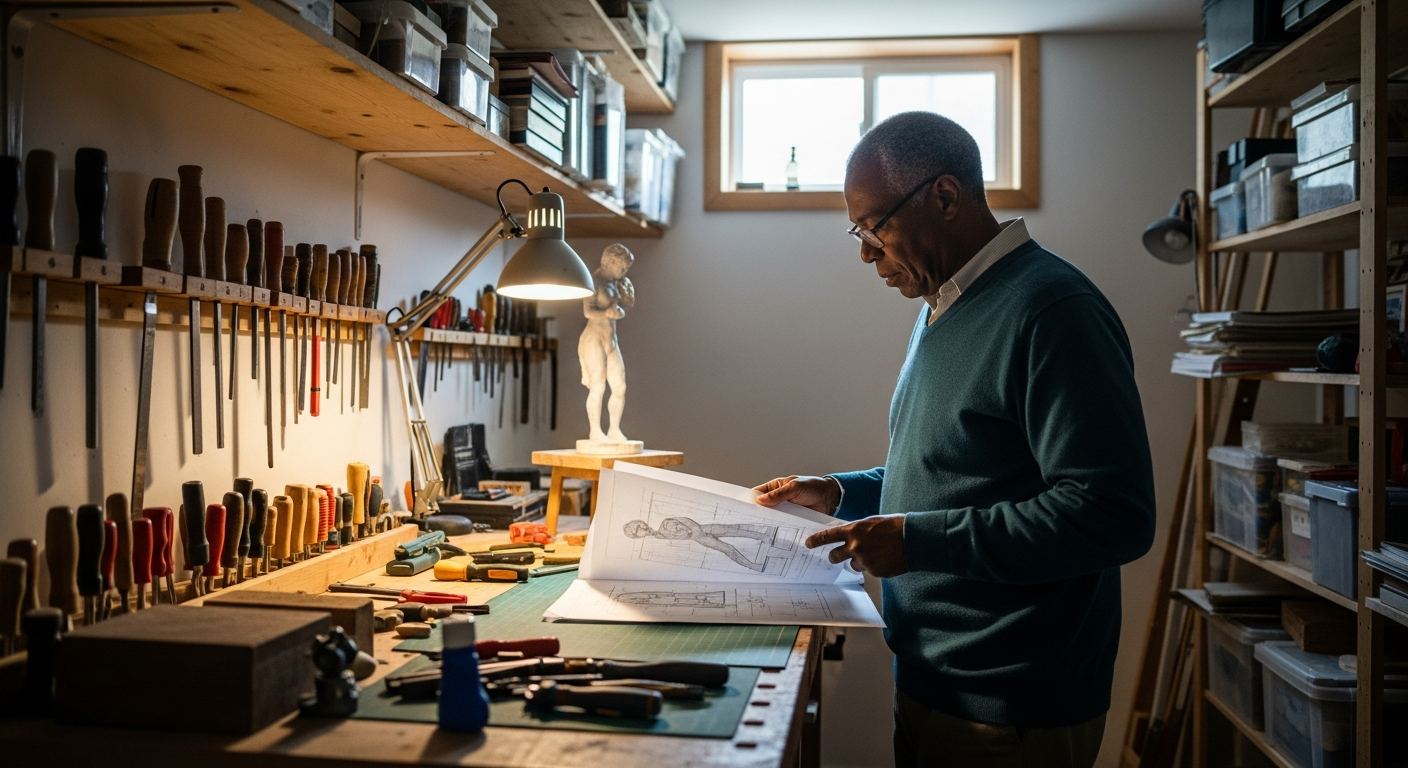
Story 2: David's Woodcarving Workshop in Kitchener
David, 68, worked in construction his entire career and always wanted to carve. His unfinished basement became his workshop. A $6,500 reverse mortgage draw funded:
- Professional woodworking bench and vise ($2,000)
- Hand tools and chisels ($1,500)
- Dust collection system ($1,500)
- Lighting and electrical work ($1,000)
- Wood and material storage ($500)
Within two years, David's carved figures were selling at craft markets. His studio became not just a creative outlet but a modest income source.
Funding an Art Studio: Step-by-Step
Step 1: Identify Your Creative Space
Assess your home for suitable studio areas:
- Bedroom: Natural light, quiet, dedicated
- Basement: Low disturbance, climate-controlled potential, separate entrance for students/clients
- Garage: Easy access, ventilation options, weatherproofing needed
- Sunroom: Natural light, isolation from main living area
Step 2: Determine Setup Costs
Research your specific discipline:
- Visit local art supply stores and studios
- Interview artists with similar practices
- Get quotes from specialized retailers
- Factor in ventilation, lighting, and flooring upgrades
Step 3: Apply for Reverse Mortgage
Contact a licensed reverse mortgage specialist (such as Rick Sekhon Reverse Mortgages) to:
- Estimate your home equity
- Understand borrowing capacity
- Compare lump sum vs. flexible draw options
- Review interest rates and terms with lenders like CHIP, Equitable Bank, and Home Trust
Step 4: Plan Your Studio Layout
Many older homes need modifications:
- Electrical upgrades: Professional lighting and outlets ($500–$2,000)
- Ventilation: Spray booths or ductwork for odorous materials ($1,000–$3,000)
- Flooring: Paint-resistant or sealed surfaces ($500–$2,000)
- Insulation: Climate control for sensitive materials ($1,000–$3,000)
Step 5: Purchase and Install Equipment
Use your reverse mortgage funds to:
- Buy quality (not luxury) equipment that lasts
- Install professional lighting and electrical work
- Set up storage and organization systems
- Create a comfortable, productive workspace
Step 6: Optimize Over Time
You don't need everything immediately. A reverse mortgage's line of credit (LOC) option allows you to:
- Start with basics now
- Add specialized equipment as your practice evolves
- Fund classes or mentorship to develop skills
- Upgrade tools as you discover what you need
Tax and Legal Considerations
Home Studio Deductions
If your art becomes a side business (selling work, teaching), you may qualify for home business deductions with the CRA:
- Utilities (proportional to studio space)
- Equipment and supplies
- Professional development (classes, mentors)
- Home office depreciation
Important: Consult a tax accountant familiar with creative businesses. Revenue from art sales triggers self-employment reporting.
Insurance and Liability
If you teach classes in your studio:
- Notify your home insurance provider
- Clarify coverage for student injuries
- Consider liability insurance for paid instruction
- Ensure kiln/forge operations comply with fire codes
A reverse mortgage lender won't restrict art-related activities, but your home insurance may need updating.
Combining Studio Setup with Living Legacy Goals
For many Ontario seniors, an art studio becomes a living legacy—a space where you create lasting works, teach family members, or leave art to heirs. Some scenarios:
Scenario: Teaching Grandchildren
Margaret uses her reverse-mortgage-funded pottery studio to teach her grandchildren clay work. The studio becomes:
- A family gathering place
- A space where her creative practice lives on through them
- A gift of skill and artistic heritage
- Potential heirlooms (the work she creates)
Scenario: Creating a Portfolio for Heirs
Thomas builds an art collection in his home studio over 10 years, creating work with significant emotional and potential financial value. His heirs inherit not just art, but a legacy of creativity and passion.
Scenario: Documenting Family History Through Art
Some seniors use their studio to create visual documentation of family history—illustrating family stories, painting ancestral homes, or documenting genealogical research through art.
Comparison: Funding Options for Studio Setup
| Funding Method | Startup Cost | Monthly Payment | Best For |
|---|---|---|---|
| Reverse Mortgage | $0 | None | Fixed-income seniors 55+ |
| HELOC | Low | Interest payments | Working retirees |
| Personal Loan | Low | Fixed payments | Younger retirees with income |
| Savings | None | None | Seniors with available cash |
| Family Loan | None | Varies | Family with capital |
According to FCAC (Financial Consumer Agency of Canada), reverse mortgages are increasingly used for retirement lifestyle and personal development purposes—recognizing that creative pursuits enhance quality of life in later years.
Ontario Resources for Studio Planning
- Ontario Arts Council: Grants and resources for artists (ontarioartscouncil.org)
- Local art centers: Classes, studio rental, mentorship programs
- Community colleges: Affordable courses in most artistic disciplines
- Online communities: AARP Arts network, creative retirement groups
The Bottom Line: Your Creative Dream Deserves Funding
You spent 40+ years building a career, raising family, and managing obligations. Your art studio isn't a luxury—it's a meaningful investment in your health, purpose, and legacy. A reverse mortgage makes that investment possible without monthly payments or income stress.
Key takeaway: If you've dreamed of a serious creative practice in retirement, a reverse mortgage can unlock the funds to build a professional studio space—transforming a spare room into a creative sanctuary where you'll spend thousands of joyful hours.
Frequently Asked Questions
Can I teach art classes and use the income to offset reverse mortgage costs?
Yes, if teaching generates income. The income is yours to keep; reverse mortgage lenders don't restrict additional earnings. However, if income is significant, you may owe self-employment tax. Consult an accountant.
What if I use the studio for 5 years and then lose interest?
The studio space remains part of your home, adding value. You could repurpose it (guest room, library, gym) or rent it to another artist. The reverse mortgage is unaffected by how you use the space.
Will adding a pottery kiln or spray booth to my studio increase my home's insurance costs?
Possibly. Professional equipment may require homeowner's insurance updates. Some high-risk items (large kilns, spray booths) might incur surcharges. Notify your insurer and adjust coverage before purchasing equipment.
Can I use a reverse mortgage to fund ongoing art classes or mentorship?
Yes, absolutely. Many seniors use reverse mortgage funds to pay for art instruction, workshops, or mentorship—not just equipment. This is a legitimate use of the funds.
Is a reverse mortgage the right choice if I want to try art but might not stick with it?
If you're uncertain, consider starting with cheaper supplies ($500–$1,000) before committing to a full reverse mortgage. Once you've confirmed your commitment, a reverse mortgage becomes a smart funding choice for professional-level equipment.
Ready to Learn More?
Find out exactly how much you could unlock from your home — free and no obligation.
Related Articles
Reverse Mortgage for Home Office Setup: Creating a Productive Retirement Workspace
Fund your home office with a reverse mortgage. Create a productive retirement workspace for consulting, hobbies, or part-time work in Ontario.
Read →Gift Home Equity to Your Family While Alive: The Living Legacy Strategy
Discover how to transfer home equity to adult children while you're alive using a reverse mortgage strategy in Ontario.
Read →Fund Home Modifications to Age in Place: Ontario Guide
Discover how a reverse mortgage can finance accessibility upgrades, care services, and renovations to stay safely in your Ontario home as you age.
Read →