
Reverse Mortgage for Alternative Medicine and Wellness: Invest in Your Health
Use a reverse mortgage to fund acupuncture, naturopathy, massage therapy, and other wellness treatments. Improve health without monthly payments.
"I've been told acupuncture and massage could help my arthritis, but at $100–$200 per session, I can't afford ongoing care on my retirement income—what are my options?" Many Ontario seniors want to invest in complementary and alternative medicine (CAM)—acupuncture, naturopathy, massage therapy, chiropractic, herbal medicine—but costs aren't covered by provincial health plans. A reverse mortgage can unlock funds for comprehensive wellness treatments, allowing you to pursue holistic health strategies without monthly payments pressuring your fixed income.
This article is for educational purposes only and does not constitute financial advice.
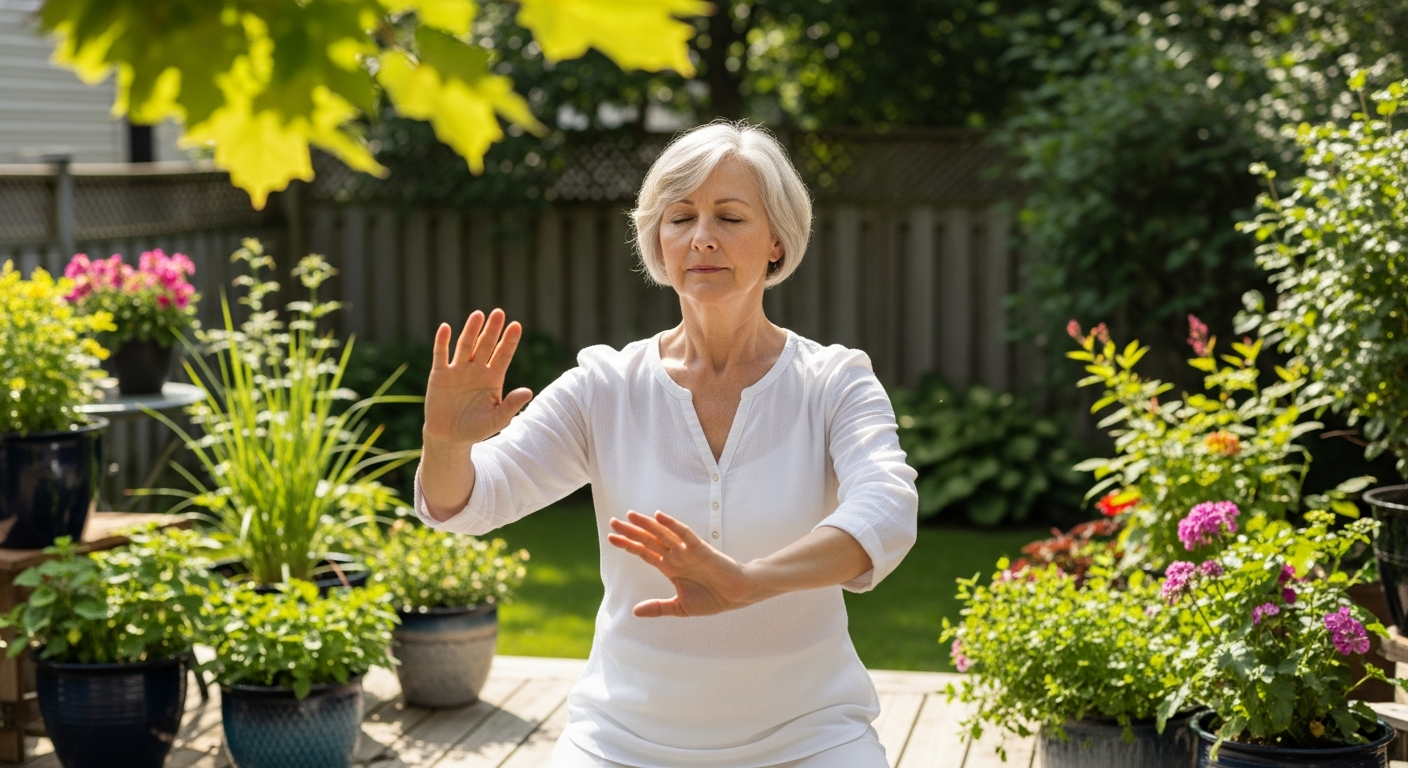
Why Alternative and Complementary Medicine Matters for Aging Seniors
While conventional medicine treats disease, CAM focuses on prevention and whole-person wellness. Evidence-based alternative treatments popular with Ontario seniors:
- Acupuncture: Pain relief for arthritis, back pain, migraines (15–25 sessions typically needed)
- Massage therapy: Improves circulation, reduces muscle tension, aids recovery
- Naturopathy: Herbal medicine, nutritional counseling, preventive health
- Chiropractic care: Joint alignment, mobility restoration, pain reduction
- Yoga and tai chi classes: Balance, flexibility, stress reduction
- Herbal supplements and IV therapy: Energy, immune support, chronic condition management
- Reiki and energy work: Stress reduction, pain management, emotional healing
Many Ontario seniors report that combining conventional care with CAM achieves better outcomes than either alone—but the out-of-pocket costs are substantial.
Typical Costs for CAM Treatments in Ontario
| Treatment | Cost Per Session | Annual (1-2x/month) | Annual (Weekly) |
|---|---|---|---|
| Acupuncture | $75–$150 | $900–$3,600 | $3,900–$7,800 |
| Registered Massage Therapy | $60–$100 | $720–$2,400 | $3,120–$5,200 |
| Naturopathy Consultation | $100–$200 | $400–$1,600 | $2,400–$6,000 |
| Chiropractic Adjustment | $40–$100 | $480–$2,400 | $2,080–$5,200 |
| Yoga or Tai Chi Classes | $10–$20/class | $240–$960 | $520–$1,040 |
| IV Nutrient Therapy | $150–$300 | $300–$1,200 | $2,400–$7,800 |
| Herbal Supplements | $30–$100/month | $360–$1,200 | $360–$1,200 |
Total annual alternative health investment: Seniors pursuing comprehensive wellness typically spend $3,000–$12,000 annually on CAM—often unaffordable on CPP or OAS income alone.
Real Ontario Stories: Wellness Transformation
Story 1: Patricia's Arthritis Breakthrough Through Integrated Care
Patricia, 73, had severe osteoarthritis in her hands and knees. Prescription painkillers caused digestive problems. Through her reverse mortgage, she invested $8,000 in:
- Acupuncture (weekly for 6 months, then monthly): $3,000/year
- Registered massage therapy (twice monthly): $1,500/year
- Naturopathy consultations and herbal supplements: $1,200/year
- Yoga classes (twice weekly): $500/year
- Reserve for additional treatments: remaining balance
Within 8 months, Patricia reduced painkiller use by 60% and regained mobility. Her family physician noted improved overall health markers. The reverse mortgage investment became the best healthcare decision she'd made.
Story 2: James's Chronic Pain Management Without Opioids
James, 68, struggled with chronic back pain from a construction career. His doctor offered opioids or injection therapy—both with risks. A reverse mortgage funded:
- Chiropractic care (twice weekly for 3 months, then monthly): $3,000/year
- Therapeutic massage (weekly): $2,600/year
- Acupuncture (twice monthly): $1,800/year
- Physical therapy and exercise classes: $1,200/year
James now manages pain effectively without opioids and exercises regularly—a dramatic quality-of-life improvement funded entirely by his reverse mortgage.
How Reverse Mortgage Funding Works for Wellness Programs
Step 1: Assess Your Health Goals
Identify what wellness investments matter most:
- Pain management (arthritis, back, migraines)
- Energy and vitality (IV nutrition, herbal medicine)
- Stress reduction (acupuncture, massage, yoga)
- Preventive health (naturopathy, supplements)
- Mobility and flexibility (yoga, tai chi, massage)
Step 2: Research Licensed Practitioners
In Ontario, verify credentials:
- Acupuncturists: Regulated by Traditional Chinese Medicine Act (TCMA)
- Massage therapists: Registered Massage Therapists (RMT) regulated by professional colleges
- Naturopaths: Licensed Naturopathic Doctors (ND) in Ontario must meet education standards
- Chiropractors: Regulated by College of Chiropractors of Ontario
- Yoga instructors: Look for seniors-focused, certified instructors
Step 3: Get Cost Estimates
Contact 3–4 practitioners in each discipline:
- Single-session costs
- Package discounts (weekly sessions vs. drop-in)
- Insurance coverage (some benefits plans cover certain CAM)
- Payment plans or sliding scale options
Step 4: Calculate Your Annual Wellness Budget
Realistic annual investment:
- Conservative plan: $3,000–$5,000 (1–2 sessions/month of one treatment)
- Moderate plan: $6,000–$9,000 (weekly sessions in 2–3 disciplines)
- Comprehensive plan: $10,000–$15,000 (weekly multi-discipline approach)
Step 5: Apply for Reverse Mortgage
Work with Rick Sekhon Reverse Mortgages to access funds. Lenders like CHIP, Equitable Bank, and Home Trust place no restrictions on wellness or alternative medicine spending.
Step 6: Use a Structured Drawdown Plan
With a line of credit (LOC) option, you might:
- Take a lump sum for initial consultation and package courses
- Use ongoing draws quarterly to pay practitioners
- Maintain flexibility to adjust treatments based on results
Combining CAM with Conventional Medicine Safely
Essential Precautions
- Inform your physician about all CAM treatments and supplements (some interact with prescriptions)
- Check for drug interactions with your current medications
- Get referrals from your doctor to trusted CAM practitioners
- Monitor outcomes over 8–12 weeks to assess effectiveness
- Don't replace critical conventional care (cardiac medication, insulin, etc.)
According to Health Canada, over 70% of Canadian adults use CAM at some point, and combining approaches is safe when coordinated with conventional providers.
Is CAM Covered by Insurance or Deductible?
Coverage Status
- Provincial health plan (OHIP): Does NOT cover CAM treatments
- Private benefits: Some employer plans include RMT, chiropractic, or acupuncture
- If you're retired: Coverage unlikely unless you maintained spousal coverage
Tax Deductibility
CAM expenses are generally NOT tax-deductible unless you have a disability tax certificate from CRA. Consult an accountant.
Reverse Mortgage Advantage
Since reverse mortgage funds are not taxable income, there's no tax consequence to funding wellness treatments—unlike drawing from RRIFs or other income sources that increase tax liability.
Wellness Funding Strategy for Aging in Place
Phased Approach to Wellness Investment
Phase 1 (Months 1–3): Assessment & Professional Consultation
- Initial naturopathy and physician consultations: $400–$800
- Herbal supplement starter packages: $300–$500
- Acupuncture trial series (8 sessions): $800–$1,200
- Total: $1,500–$2,500
Phase 2 (Months 4–9): Active Treatment
- Weekly acupuncture or massage: $1,500–$2,400
- Ongoing supplements: $300–$600/month
- Monthly chiropractic or naturopathy: $400–$600
- Total: $2,700–$3,600/month × 6 months = $16,200–$21,600
Phase 3 (Months 10+): Maintenance & Adjustment
- Reduce to maintenance frequency (monthly treatments): $500–$800/month
- Ongoing supplements and herbs: $300–$500/month
- Prevention-focused care: $800–$1,300/month
- Total: $1,600–$2,600/month ongoing
Choosing a Sustainable Wellness Path
| Approach | Annual Cost | Time Commitment | Best For |
|---|---|---|---|
| Single-discipline (e.g., acupuncture only) | $3,000–$4,000 | 1 hour/week | Specific pain condition |
| Dual-discipline (e.g., massage + acupuncture) | $6,000–$8,000 | 2–3 hours/week | Multi-symptom management |
| Comprehensive wellness | $10,000–$15,000 | 3–5 hours/week | Holistic health overhaul |
| Prevention-focused | $4,000–$6,000 | 2 hours/week | Long-term wellness |
The Bottom Line: Wellness as a Reverse Mortgage Investment
Alternative and complementary medicine represents one of the most meaningful uses of reverse mortgage funds for aging Ontario seniors. Unlike treating disease after it develops, wellness prevention extends independence, reduces medication burden, and improves quality of life.
Key takeaway: If you've wanted to explore acupuncture, massage, naturopathy, or other wellness treatments but couldn't afford them on a fixed income, a reverse mortgage can fund comprehensive wellness strategies—without monthly payments straining your retirement budget.
Frequently Asked Questions
Can I use a reverse mortgage to fund an annual wellness retreat or spa package?
Yes, if it includes legitimate treatment. A wellness retreat with acupuncture, massage, and naturopathic services is valid. A purely recreational spa day is more discretionary but not prohibited. Most homeowners use reverse mortgage funds primarily for structured, ongoing treatment rather than one-off experiences.
What if I start treatment and decide it's not helping me?
You're not locked in. Discontinue ineffective treatments and redirect funds to what's working. A line of credit (LOC) option gives you maximum flexibility to adjust your wellness approach over time.
Can my adult children recommend wellness practitioners, or should I choose independently?
Either! Many adult children help research and recommend CAM practitioners. Just ensure you choose licensed, credentialed professionals. Never allow someone to pressure you into expensive, unproven treatments.
Should I prioritize wellness treatments or medical treatments with my reverse mortgage funds?
Both are valid. Many seniors fund medical needs (dental, hearing aids) alongside wellness (acupuncture, supplements). A balanced approach typically works best—invest in acute medical needs first, then use remaining capacity for preventive wellness.
How do I know if CAM is working after investing in it?
Give treatments 8–12 weeks to show results. Monitor:
- Pain levels (on a 1–10 scale)
- Medication needs (especially painkillers)
- Energy and sleep quality
- Mood and emotional state
- Mobility and flexibility
- Professional assessments (your physician)
Document changes so you can evaluate effectiveness objectively.
Ready to Learn More?
Find out exactly how much you could unlock from your home — free and no obligation.
Related Articles
Reverse Mortgage for Hearing Aids and Vision Equipment: Sensory Health in Retirement
Learn how Ontario seniors can use reverse mortgages to fund hearing aids, vision devices, and sensory health equipment to maintain independence and quality of life.
Read →Fund Home Modifications to Age in Place: Ontario Guide
Discover how a reverse mortgage can finance accessibility upgrades, care services, and renovations to stay safely in your Ontario home as you age.
Read →Reverse Mortgage for Healthcare Costs: Aging in Place in Ontario
How Ontario seniors use a reverse mortgage to fund home care, medical equipment, prescriptions, and healthcare expenses — and stay in their home longer.
Read →