
Reverse Mortgage When Aging Parent Transitions to Intentional Community Co-Housing: Alternative Senior Living
Fund transition costs when aging parent moves to intentional community co-housing. Exit fees, new residence deposits, and bridge funding for alternative senior living models.
What if your aging parent could move from isolated suburban home-ownership into intentional community where shared meals, healthcare coordination, and social connection are built into daily life? Intentional co-housing communities—designed around shared values and collaborative living—offer radical alternative to both traditional homes and institutional senior housing. The barrier isn't desire; it's cost. Transition fees, deposits, and furnishing a new space drain retirement savings. A reverse mortgage removes this barrier entirely.
The Intentional Community Movement for Seniors
Between 2015 and 2026, senior intentional communities grew from 5–10 in Canada to 40+, with Ontario hosting 15+ active projects. These aren't communes; they're designed communities where residents maintain private apartments/homes but share meals, gardens, maintenance, and decision-making. Elder Cohousing Network Canada documents over 300 members exploring this model.
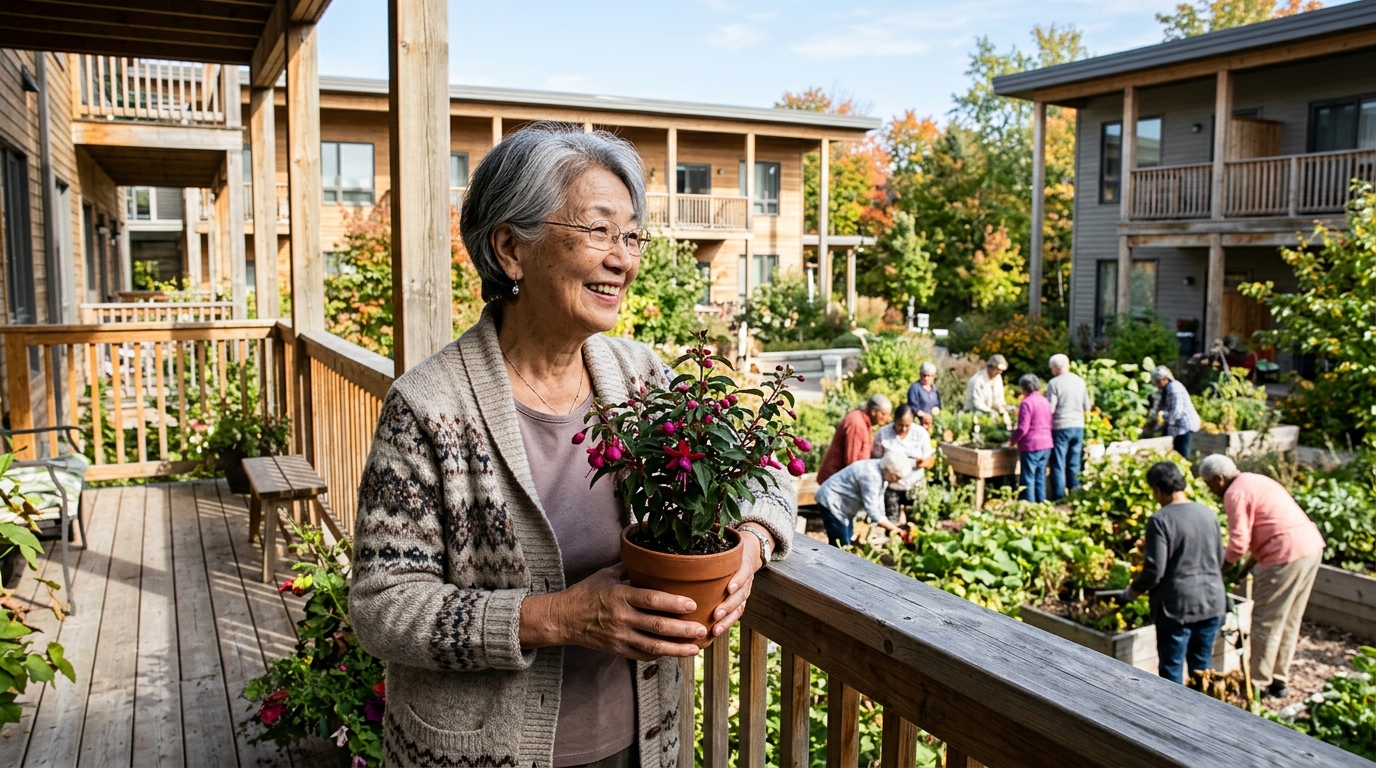
According to research published in the Journal of Housing for the Elderly, seniors in intentional communities report 40–60% lower depression rates, 35–50% reduced social isolation, and delayed need for institutional care by 3–8 years compared to isolated home-owners.
Real Costs of Transitioning to Co-Housing
Here's what your aging parent realistically needs:
| Transition Expense | Cost Range | One-Time or Recurring |
|---|---|---|
| Co-Housing Entry Fee (buy-in or membership deposit) | $20,000–$100,000+ | One-time (often applied to home purchase within community) |
| New Residence Purchase/Lease within Co-Housing Community | $150,000–$500,000+ | Ongoing ownership (some communities offer affordability models) |
| Furnishing New Private Space | $3,000–$15,000 | One-time |
| Exit/Selling Cost from Old Home (realtor fees 4–6%) | $12,000–$60,000+ | One-time |
| Bridge Funding Gap (if old home sells slowly) | $2,000–$10,000/month | Temporary |
| Legal/Closing Costs (both properties) | $3,000–$8,000 | One-time |
| Community Orientation/Integration Support | $500–$2,000 | One-time |
| Total Transition Cost | $40,500–$695,000 | Mostly one-time |
Many co-housing communities help with overlap periods or offer rental bridges, reducing the peak financial burden.
The Aging-in-Place Reality Shift
Co-housing communities are intentionally designed for aging-in-place. Many have visiting nurses, meal programs, accessibility accommodations, and peer caregiving built into governance. Your aging parent can age in community rather than be forced into facilities.
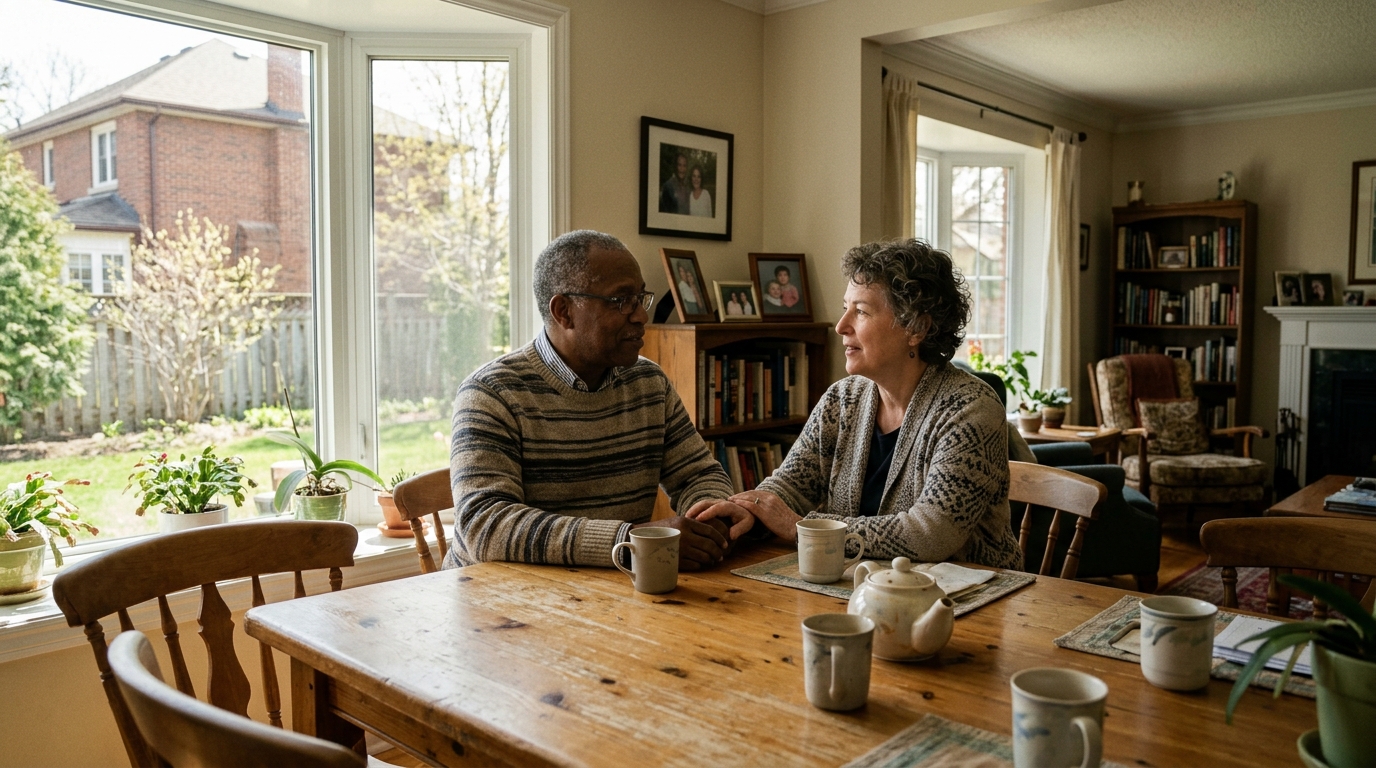
How Reverse Mortgages Fund Co-Housing Transitions
Can a reverse mortgage fund co-housing transition costs? Yes—this is one of the most creative and impactful uses of reverse mortgage funds. Here's the structure:
- Identify Target Community: Your aging parent explores specific co-housing communities and understands entry costs
- Reverse Mortgage for Bridge Funding: Access funds to cover entry fees, furnishing, and gap costs while old home is listed/sold
- Home Sale Proceeds: When the original home sells, proceeds pay back the reverse mortgage; new residence is owned outright or financed separately
- Flexibility in Timeline: Unlike traditional mortgages, reverse mortgages don't require fixed repayment schedule, so gaps in home sale timing don't create emergency
Rick Sekhon Reverse Mortgages specializes in housing transition funding and understands the unique timing challenges of co-housing moves.
Comparison: Funding Co-Housing Transitions
| Funding Source | Covers Transition? | Speed | Interest | Best For |
|---|---|---|---|---|
| Reverse Mortgage (bridge) | Yes, for all transition costs | 4–8 weeks | 5.5–7% RM rates; repaid from home sale proceeds | Seniors requiring immediate access; home sale timing uncertain |
| HELOC (traditional) | Yes, but requires qualified credit | 2–3 weeks | 6–8% variable; monthly payments required | Shorter timelines; strong credit history |
| Savings/Liquidating Investments | Yes | Immediate | Investment tax on gains | Small gaps; preserves retirement security |
| Downsizing Proceeds (sell first) | Yes, but creates temporary displacement | 6–12 weeks | $0 cost; disrupts continuity | Organized, sequential moves |
| Family Loan | Possible but strains relationships | Immediate | Relationship-dependent terms | Small amounts between close family |
Verdict: For seniors needing to bridge transition timing without traditional credit or repayment pressure, reverse mortgages are uniquely suited.
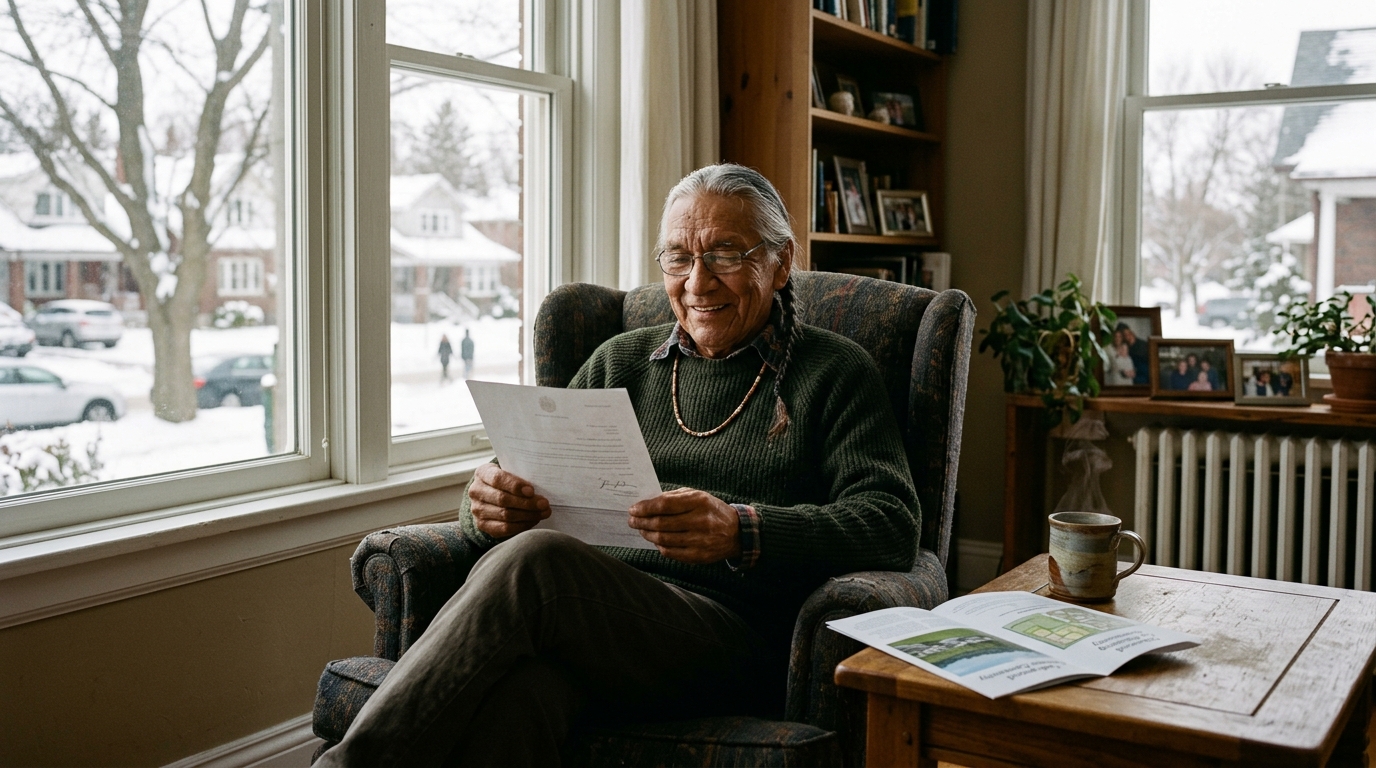
Where Ontario's Senior Intentional Communities Are Thriving
- Toronto: CoHo Communities, Sunnybrook Village (active projects)
- Hamilton: Common Ground Cohousing (accepting members)
- Kitchener: Riverglen Cohousing (mixed-age; senior-friendly)
- Guelph: Eramosa Cohousing (senior affinity group)
- Peterborough: Venture Cohousing (planning phase but welcoming early members)
- Elder Cohousing Network Canada: Registry and peer support for aging communities
Key Takeaways
- Senior intentional communities show 40–60% lower depression rates and delay institutional care by 3–8 years compared to isolated home-ownership
- Transition costs range $40,000–$695,000 depending on community fees, new home cost, and overlap financing needs
- A reverse mortgage provides bridge funding for all transition costs without traditional debt repayment or credit qualification requirements
- CHIP, HomeEquity Bank, and Equitable Bank recognize housing transitions as legitimate reverse mortgage uses
- Most co-housing communities help coordinate overlaps, but reverse mortgage removes financial panic if timing doesn't align perfectly
- Research shows intentional communities preserve independence 3–8 years longer than isolated home-ownership, making reverse mortgage transition investment cost-effective
Frequently Asked Questions
What if my aging parent doesn't like the co-housing community after moving?
Most communities have trial periods (3–6 months) allowing exit without full penalty. Reverse mortgage timeline is flexible—if your parent returns to isolated living, they can repay the RM early from other funds or continue managing it. No rigid commitment.
Do co-housing communities require significant ongoing participation?
Yes, participation is core to model. Your aging parent will attend meetings, contribute to meals/maintenance, and be involved in decision-making. This isn't passive rental housing; it's active community membership. That said, many communities accommodate varying activity levels for mobility-limited seniors.
Can my aging parent maintain privacy in co-housing?
Yes. Private suites/homes are standard; shared only meals, outdoor spaces, and common facilities. Most co-housing provides more privacy than assisted living but more connection than isolated homes.
Will a reverse mortgage on my home affect my aging parent's eligibility for GIS or other senior benefits?
No. The reverse mortgage is your liability, not your aging parent's asset. Government benefits programs assess your parent's own assets/income; your home equity doesn't count against them.
How do co-housing communities handle care if my aging parent's health declines significantly?
Intentionally designed communities have escalating care pathways: peer support → visiting healthcare professionals → temporary care partnerships → transition to nursing homes if needed. Many communities explicitly plan for aging-in-place with growing care integration.
What does FSRAO (Financial Services Regulatory Authority of Ontario) require for housing-transition reverse mortgages?
Standard disclosure requirements apply—your lender must clearly explain terms, interest, how equity depletes, and repayment obligations. FSRAO oversight protects you from predatory terms. Verify your lender's FSRAO registration before signing.
Your aging parent's desire to move from isolation into intentional community isn't impractical—it's increasingly recognized as superior aging-in-place model. A reverse mortgage removes the financial barrier to this liberating transition. Speak with Rick Sekhon Reverse Mortgages about funding your parent's move into senior intentional community—preserving independence, connection, and quality of life.
Ready to Learn More?
Find out exactly how much you could unlock from your home — free and no obligation.
Related Articles
Reverse Mortgage for Home EV Charging and Smart Utility Grid Upgrade: Modernizing Your Ontario Home
Fund electrical panel upgrades, EV charger installation, and smart meter readiness for aging in place with a reverse mortgage in Ontario.
Read →Reverse Mortgage Before Industrial Rezoning: Securing Equity When Your Neighborhood Changes
Protect your home equity with a reverse mortgage before industrial rezoning or commercial development reduces your property value in Ontario.
Read →Reverse Mortgage for Multilingual Household Caregiving: Language Support and Cognitive Decline Management
Fund bilingual caregivers, professional interpreters, and language-specific cognitive assessment for aging parents in Ontario multilingual homes.
Read →