
Reverse Mortgage for Prescription Drug Coverage Gaps: When Income Rises, Benefits Drop
How reverse mortgage income reduces OAS, affects GIS, and creates prescription drug coverage clawbacks. Strategic timing and planning solutions for Ontario seniors.
What if accessing your home equity through a reverse mortgage means you lose your government prescription drug coverage? This cruel twist catches many Ontario seniors by surprise: the RM funds that solve one crisis trigger a benefits cliff that creates another.
This isn't hypothetical. Ontario's income-tested programs (GIS, ODSP, provincial drug programs) create coverage cliffs where earning $1 more disqualifies you from thousands in benefits. A reverse mortgage, structured without planning, can push you over that cliff.
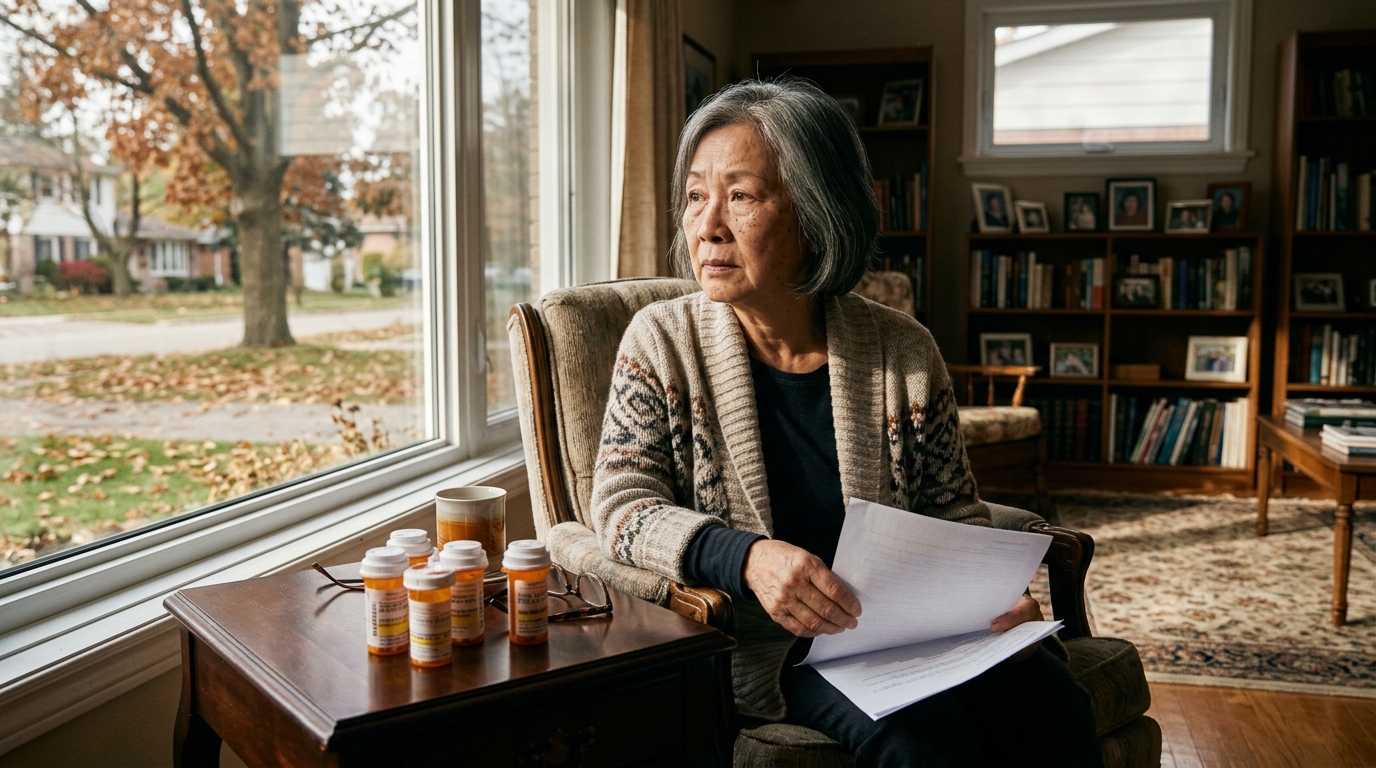
How Reverse Mortgage Income Triggers Drug Coverage Loss
First, the mechanics: A reverse mortgage doesn't generate "income" for tax purposes. The lump sum or monthly draws you receive from your home equity are considered a loan advance, not earned income. CRA doesn't tax them as income.
But your lender reports the payments differently.
When you receive monthly reverse mortgage payments (as opposed to a lump sum), some lenders report these as "income" to the Ministry of Finance for purposes of provincial income testing. This is the gap where benefit clawbacks happen.
Here's the pathway:
| Scenario | Annual Income Before RM | Monthly RM Draw | Reported Income After | GIS Impact | Drug Program Impact |
|---|---|---|---|---|---|
| Senior + spouse, modest CPP only | $32,000 combined | $1,200/month | $46,400 combined | Lose GIS ($8,000/year) | Lose ODB coverage |
| Single senior on CPP/OAS mix | $24,000 | $800/month | $33,600 | GIS reduced by ~30% | Drug plan thresholds hit |
| Senior with small pension | $42,000 | $0 lump sum access | $42,000 | No change | No change |
Key insight: If you take a lump sum from your reverse mortgage, the income-testing impact happens once (in the year received). If you take monthly draws, the reported income becomes permanent.
According to FSRAO (Financial Services Regulatory Authority), "Lenders must disclose how regular reverse mortgage payments are reported to provincial/federal income-testing programs. This can materially affect benefits eligibility."
The Drug Coverage Cliff in Ontario
Ontario has three main prescription drug programs with income thresholds:
- Ontario Drug Benefit (ODB) — Covers seniors 65+ with modest co-pays ($2–$6.11 per prescription)
- Trillium Drug Program (TDP) — Covers residents whose drug costs exceed threshold % of household income
- Pharmacare Program — Federal-provincial program with separate thresholds
When reverse mortgage income pushes your household income above threshold, you lose coverage or face higher co-pays.
| Program | Income Threshold (2026) | Loss at Threshold | Annual Rx Cost Impact |
|---|---|---|---|
| ODB (seniors 65+) | Various by region; ~$50,000 | $2–$6.11 co-pay becomes full cost | $2,000–$8,000/year more |
| TDP | Threshold = household income | Coverage stops; full drug cost | $3,000–$10,000/year |
| Pharmacare | Federal income limits apply | Coverage reduced | Varies |
A senior on modest CPP ($18,000/year) accessing $1,200/month RM draws ($14,400/year) suddenly reports $32,400 household income—potentially jumping into TDP gap and losing ODB subsidies.
The GIS Clawback: How RM Income Reduces Government Pension
GIS (Guaranteed Income Supplement) is federal income support for seniors with low income. It's indexed to inflation and provides ~$1,000+/month to eligible seniors.
GIS has a strict clawback: For every dollar of income above $20,832/year (2026), you lose $0.50 in GIS.
If you're receiving GIS and access reverse mortgage monthly payments:
| Annual Income (CPP/OAS) | Monthly RM Draw | New Total Income | GIS Loss per Year |
|---|---|---|---|
| $18,000 | $800/month ($9,600/year) | $27,600 | $3,400 (loses ~50% of GIS) |
| $22,000 | $1,000/month ($12,000/year) | $34,000 | $6,584 (loses ~80% of GIS) |
| $24,000 | $1,200/month ($14,400/year) | $38,400 | Loses GIS entirely |
The cruel math: You gain $9,600 from the RM draw but lose $3,400+ in GIS, netting only $6,200 additional income—while losing prescription drug subsidies worth thousands more.
Strategic Solutions: Structuring Your Reverse Mortgage to Protect Benefits
Solution #1: Lump-Sum Access (One-Time Impact)
If you need funds urgently, take a lump sum rather than monthly draws. The income impact is front-loaded to one year, then benefit recovery happens in subsequent years.
| Approach | Year 1 Impact | Year 2+ Impact | Best Use |
|---|---|---|---|
| $50,000 lump sum | Large income spike; benefits hit hard | Recovers to normal | Emergency (roof, medical, relocation) |
| $1,000/month draws | Ongoing benefit erosion | Permanent reduction | Gradual caregiving support |
A $50,000 lump sum in Year 1 might cost you $8,000–$12,000 in benefits that year, but Year 2 you recover (assuming no ongoing draws). Ongoing monthly payments create permanent benefit loss.
Solution #2: Line of Credit Access (Draw Only When Needed)
Request a reverse mortgage line of credit instead of scheduled draws. You access funds only when needed, creating minimal reported income.
| Structure | Reported Income | Benefit Impact | Drug Coverage |
|---|---|---|---|
| $100,000 LOC, draw $5,000 once | $5,000 in draw year only | Minimal, temporary | Protected if under threshold |
| $100,000 LOC, draw $1,000/month | $12,000/year ongoing | Permanent benefit erosion | Lost after threshold hit |
Most reverse mortgage lenders (CHIP, HomeEquity Bank, Equitable Bank, Bloom Financial) offer line of credit options. Using sparingly protects benefits.
Solution #3: Timing Your Draws Around Benefit Years
If you're close to GIS or ODB thresholds, strategic timing matters:
- If possible, take large draws early in calendar year — Some benefits reset in July; drawing early limits income exposure for that benefit cycle
- Coordinate with FSRAO or Service Canada — Ask exactly when your benefits recalculate after income change
- Plan draws to stay below thresholds — If threshold is $30,000, cap annual RM draws to $28,000
Example: If GIS clawback threshold is $20,832, and you have $18,000 CPP/OAS, limit RM draws to $2,800/year ($230/month) to stay under threshold. This feels minimal, but it preserves $12,000+ in annual GIS.
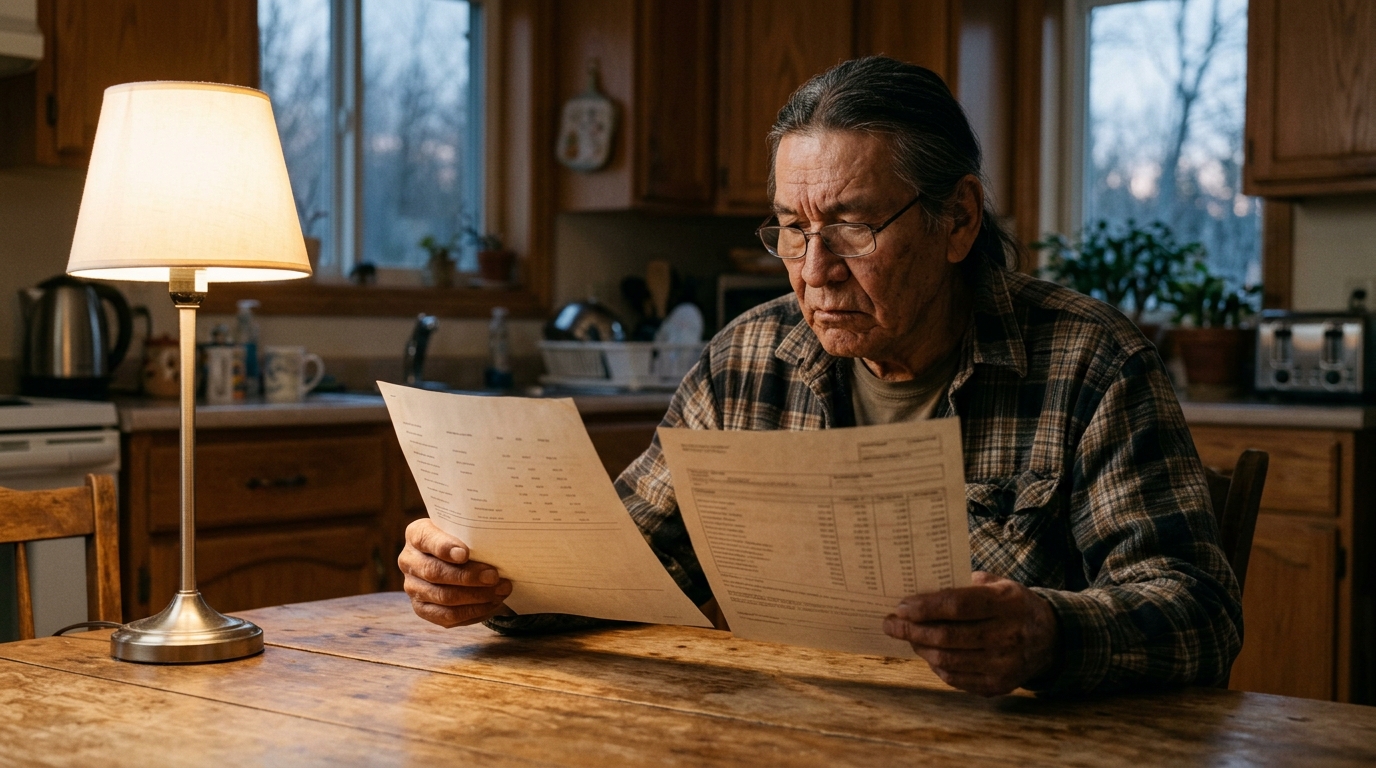
Planning Ahead: The Critical RM Conversation with Benefits Advisor
Before applying for a reverse mortgage, have a certified income tax specialist or benefits advisor calculate:
- Current benefits eligibility — Document your current GIS, ODB, TDP coverage
- Income thresholds — What income level would disqualify you?
- Benefit value at risk — If you lose GIS and ODB, what's the annual cost?
- RM draw scenarios — How much can you safely access without losing coverage?
- Tax-efficient draw timing — What time of year minimizes benefit impact?
This conversation typically costs $300–$500 with an accountant or benefits advisor, and it's the most valuable money you'll spend on RM planning.
According to CRA, "Income-tested benefits are complex. A single dollar of additional income can trigger cascading benefit losses worth thousands. Strategic income planning is essential for low-to-middle income seniors."
What If You've Already Lost Coverage?
If you've accessed reverse mortgage funds and already lost GIS/ODB coverage, remedies exist:
- Request Service Canada review — Appeal GIS clawback if circumstances have changed
- Adjust RM draw strategy — Shift to lower draws going forward to recover coverage
- Explore alternative programs — TDP may still cover costs even if ODB was lost
- Document hardship — If drug costs are creating genuine hardship, appeal to provincial programs for exceptions
Recovery is possible but requires documentation and persistence.
Coordinate With Your Mortgage Broker
When discussing reverse mortgage options with Rick Sekhon Reverse Mortgages or your lender, explicitly ask:
- "How will my monthly draws be reported to provincial income-testing programs?"
- "Can you provide line of credit instead of scheduled payments?"
- "What's the maximum I can draw without triggering GIS clawback?"
- "Can we structure this as a lump sum to minimize ongoing income reporting?"
These questions focus the conversation on benefit protection, not just loan maximization.
Key Takeaways
- Monthly reverse mortgage draws are often reported as income for provincial benefit purposes, triggering clawbacks in GIS and ODB drug coverage worth $3,000–$12,000/year
- A GIS clawback of $0.50 per dollar of income can mean that an $800/month RM draw nets only $400 after GIS loss, plus drug coverage gaps
- Lump-sum access creates one-year benefit impact, then recovery; monthly draws create permanent benefit erosion
- A line of credit accessed sparingly protects benefits far better than scheduled payments
- Strategic timing of draws (around benefit years, staying under thresholds) can preserve coverage while accessing funds
- Consult a benefits advisor before applying to understand your benefit-safe RM draw threshold
Frequently Asked Questions
Does a reverse mortgage count as income for CPP or OAS purposes?
No. Reverse mortgage funds are loan advances, not income, so they don't affect CPP or OAS eligibility or payment amounts. However, they can trigger GIS clawback and provincial drug program losses. This is why the impact is subtle but significant.
If I'm on GIS, can I get a reverse mortgage at all?
Yes, but carefully. GIS income limits ($20,832/year single, $27,456 couple in 2026) mean large RM draws will reduce or eliminate GIS. A modest line of credit drawn sparingly might work. Consult Service Canada first to determine your personal threshold.
Can I request my lender report RM draws differently to avoid the clawback?
Not really. Lenders are obligated to report accurately to provincial systems. However, you can request different draw structures (lump sum vs. monthly) that minimize reported income. The structure matters more than misreporting.
If I lose ODB coverage, what happens to my existing prescriptions?
You become responsible for full cost. Pharmacists can sometimes suggest generic alternatives or lower-cost options. You might qualify for TDP (Trillium) if drug costs exceed the income threshold. Apply for TDP if ODB is lost.
How much reverse mortgage can I safely access without losing benefits?
This is personal to your income. Generally, if you're on GIS or means-tested programs, limit draws to $2,000–$3,000/year. If you have higher income and aren't on GIS, you have more flexibility. Consult a benefits advisor for your specific threshold.
If I'm not sure about my benefit status, who should I ask?
Contact Service Canada (for GIS/OAS) at 1-866-732-0646, or Ontario Health Coverage (for ODB/TDP). They can confirm your exact threshold. A tax accountant or benefits advisor can interpret results for RM planning.
Ready to Learn More?
Find out exactly how much you could unlock from your home — free and no obligation.
Related Articles
Reverse Mortgage for Accessible Community Kitchen: Culinary Training and Aging in Place
Convert your home kitchen into an accessible commercial culinary training space. Reverse mortgage funds renovation while creating community impact.
Read →Reverse Mortgage to Launch Home-Based Tax Prep and Retirement Planning Business
Fund your home-based tax and retirement planning practice with a reverse mortgage. Serve aging Canadians while accessing home equity in Ontario.
Read →Reverse Mortgage for Retirement Community Entrance Fees: Active Adult Transitions
Fund retirement community move without forced downsizing. Ontario guide for 55+ aging in place now, transitioning later to active adult communities.
Read →