
Reverse Mortgage for Graduate Creative Education: Funding MFA, Interdisciplinary Doctorates, and Artistic Professional Development
Support your adult child's graduate creative education. Reverse mortgage for MFA, artistic doctorates, and creative career investment.
Your adult child has been accepted to an MFA program in fine arts, creative writing, or film—a dream opportunity that could transform their career. But the program offers limited funding, and traditional student loans don't cover living expenses adequately. Can a reverse mortgage help fund this creative education investment?
Yes. Graduate creative education opens doors to meaningful careers in arts, culture, and creative industries. A reverse mortgage can fund the period when your child pursues intensive creative study before establishing sustainable income.
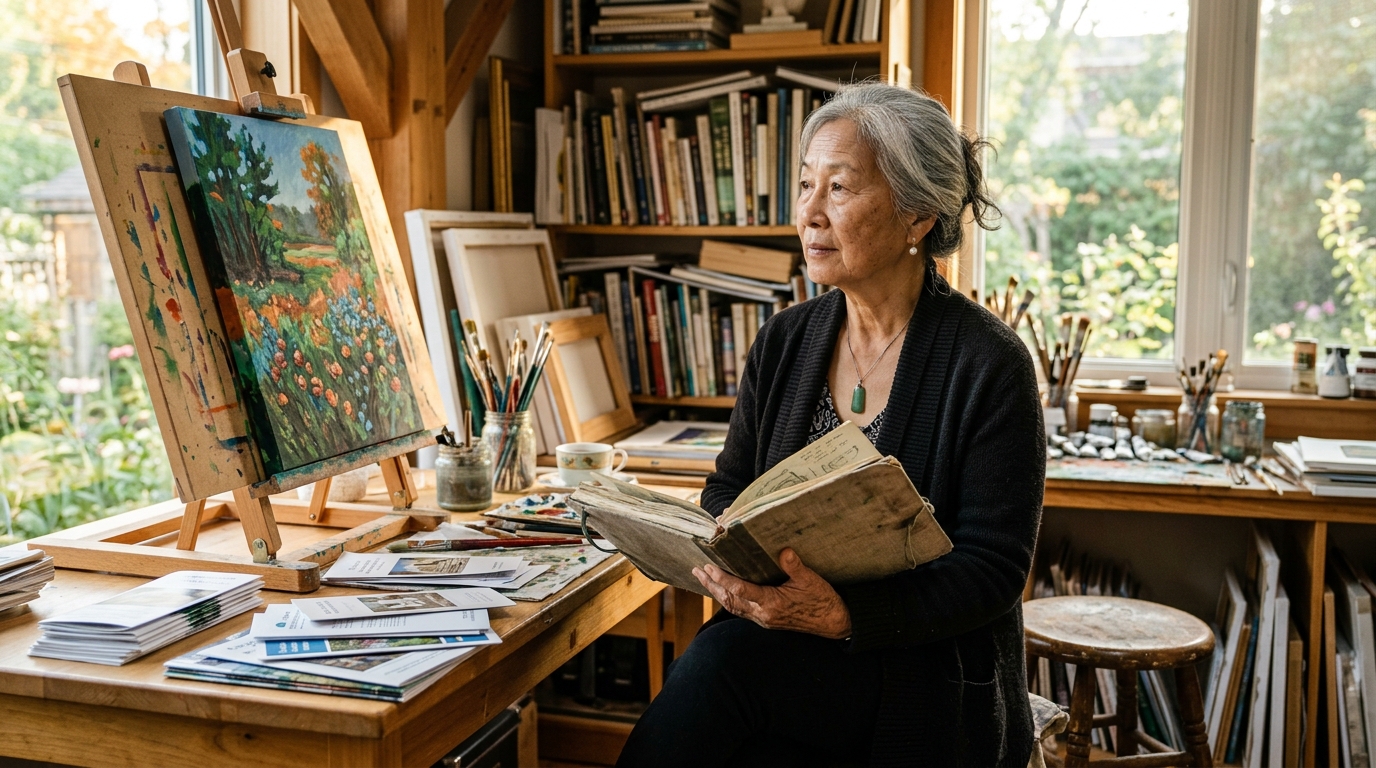
Graduate Creative Education in Canada
MFA and creative graduate programs produce artists, writers, filmmakers, and designers who drive cultural and creative industries. Yet funding these programs is notoriously difficult; most offer minimal financial aid, and student loans often fall short of living costs.
Definition: Graduate creative education refers to graduate-level programs in visual arts, fine arts, creative writing, film, music, design, and interdisciplinary creative fields—typically 1–3 years, intensive studio/creative work alongside coursework.
MFA programs in Ontario:
- University of Guelph, York University, OCAD University, McMaster, others
- Cost: $15,000–$25,000+ tuition + $12,000–$20,000 living expenses annually
- Funding: Limited scholarships, teaching assistantships (minimum wage), no large fellowships like sciences
- Employment outcomes: Highly variable but increasingly strong in cultural sector
A reverse mortgage solves the funding gap that forces talented students to abandon creative dreams due to financial pressure.
Real Story: Sophie's Documentary Film Career
Sophie, 27, was accepted to prestigious documentary film MFA (two-year program). Cost: $48,000 tuition + $36,000 living expenses = $84,000 total.
The program offered: $5,000 scholarship (competitive) + teaching assistantship worth $8,000/year = $13,000 total support.
Shortfall: $71,000 over two years.
Sophie's parents (both 63) accessed a $75,000 reverse mortgage. This enabled Sophie to:
- Attend full-time rather than work part-time (dramatically increases creative output and networking)
- Fund equipment beyond program basics (quality camera, editing software, storage)
- Attend film festivals and professional conferences during and after program
- Allocate energy to craft, not financial stress
During MFA, Sophie networked intensively, created award-winning documentaries, and graduated with professional portfolio and industry connections. Within 18 months post-graduation, she secured documentary commission work ($50,000+/year contract).
Reverse mortgage cost: approximately $3,900 annually. Sophie's parents enabled her creative career launch. Today, Sophie's work transforms communities through film; her parents' investment enabled cultural impact.
Types of Graduate Creative Programs and Costs
| Program Type | Duration | Tuition (Ontario) | Living Costs | Total Cost | Typical Support | Funding Gap |
|---|---|---|---|---|---|---|
| MFA Visual Arts | 2 years | $8,000–$16,000/year | $16,000–$24,000/year | $48,000–$80,000 | $5,000–$8,000/year | $35,000–$65,000 |
| MFA Creative Writing | 2–3 years | $8,000–$15,000/year | $16,000–$22,000/year | $48,000–$111,000 | $4,000–$7,000/year | $40,000–$100,000 |
| MFA Film/Video | 2–3 years | $10,000–$20,000/year | $18,000–$26,000/year | $56,000–$138,000 | $3,000–$6,000/year | $50,000–$132,000 |
| MA Interdisciplinary | 2 years | $8,000–$12,000/year | $14,000–$20,000/year | $44,000–$64,000 | $4,000–$6,000/year | $32,000–$58,000 |
| PhD Creative (rare) | 4–5 years | $6,000–$12,000/year | $15,000–$22,000/year | $84,000–$170,000 | $10,000–$15,000/year | $54,000–$155,000 |
Funding gaps are substantial; reverse mortgage addresses this directly.
Comparing Graduate Creative Education Funding Options
| Funding Source | Amount Available | Setup Time | Your Burden | Impact on Child's Independence |
|---|---|---|---|---|
| Reverse mortgage | $50,000–$100,000 | 30–45 days | Interest only (~5–6%/year); you manage repayment | Enables full-time focus; child graduates debt-free or minimal debt |
| Student loans (child qualifies) | $20,000–$40,000/year | 7–14 days | Child's responsibility; repayment after graduation | Child graduates with $40,000–$80,000+ debt; limits post-grad options |
| Parental gift | Limited to available savings | Immediate | Depletes retirement capital | Enables education but weakens parent's financial security |
| Teaching assistantship | $8,000–$12,000/year | On admission | Child works while studying; reduces creative output | Helps but doesn't cover full shortfall; reduces study quality |
| Private loans (child or parent co-sign) | Varies; expensive | 7–30 days | High interest rates (6–8%+); expensive | Adds debt burden; co-signing strains parent financial profile |
| Combined approach (TA + scholarships + RM) | $80,000–$100,000 | Phased | Shared responsibility; optimal model | Enables education while child contributes partially |
A reverse mortgage is often the most sustainable option for significant funding gaps.
Career Outcomes: Do MFA/Creative Graduates Succeed?
Definition: Career success in creative fields means sustaining income, professional trajectory, and meaning-making through creative work—not necessarily traditional employment.
| Career Path | Income Range (5 Years Post-Grad) | Sustainability | Common Timeline |
|---|---|---|---|
| Traditional employment (teach, corporate, nonprofit) | $45,000–$75,000 | Stable; limited creative control | 2–5 years post-grad; many do this |
| Freelance/independent practice | $30,000–$80,000+ | Variable; high creative control | Immediate post-grad, scales over time |
| Creative entrepreneurship | $20,000–$100,000+ | Highly variable; excellent creative control | 3–7 years to profitability |
| Arts organization leadership | $50,000–$85,000 | Stable; moderate creative control | 5–10 years post-grad; growth path |
| Combined model (part-time teaching + freelance) | $50,000–$90,000 | Stable + flexible | Immediate; increasingly common |
MFA holders succeed, but career arcs are varied. Full-time program attendance (vs. working while studying) produces stronger portfolios and networks accelerating success.
Tax and Education Planning
- Reverse mortgage proceeds: Not taxable income to you
- Support you provide to adult child: Not taxable to them (family support)
- Tuition tax credits: Child claims education amount (can carry forward); reduces tax burden post-graduation
- Student loan interest credit: If child takes loans alongside RM support, loan interest is deductible
- Equipment/supplies: Child may deduct certain professional tools depending on tax status
According to CRA, families should coordinate education tax credits and plan withdrawal timing strategically.
Supporting Creative Graduate Education Beyond Financial
A reverse mortgage funds tuition and living costs, but success also requires:
- Professional network building: Industry mentors, gallery connections, festival networking (funded by education)
- Portfolio development: Quality output during program (enabled by full-time focus)
- Professional community engagement: Conferences, artist residencies, collaborative opportunities
- Career services: Many programs offer post-grad placement support; maximize this
- Psychological support: Graduate creative programs are emotionally intensive; therapy/counseling may help
According to FSRAO, families supporting graduate education should discuss not just finances but career strategies and support systems.
Red Flags: When NOT to Fund Graduate Creative Education via RM
- Your child hasn't demonstrated serious commitment (portfolio, previous study, professional engagement)
- Program has poor reputation or minimal alumni outcomes
- Your child is using grad school to escape employment/career decisions
- Financial stress within your own retirement is significant
- Your child refuses to contribute at all (scholarship applications, part-time work, personal investment)
- Child has untreated mental health/substance issues that grad school won't address
A reverse mortgage should enable serious creative education, not fund escape from adult decisions.
Key Takeaways
- MFA and graduate creative programs have substantial funding gaps ($35,000–$130,000+)
- Institutional support is limited: Most programs offer minimal scholarships or assistantships
- Full-time focus produces better outcomes than working while studying (stronger portfolios, networks, career trajectory)
- Reverse mortgage bridges funding gap without burdening child with $50,000–$100,000+ student debt
- Career outcomes are positive: Graduates work in arts, culture, teaching, entrepreneurship with sustainable income
- Reverse mortgage cost (~5–6% annually) is reasonable investment in child's creative career launch
Frequently Asked Questions
Will my adult child actually earn enough to justify $80,000–$100,000+ education investment?
Likely yes, over career. While early post-grad income may be $30K–$50K, most MFA holders sustain $50K–$100K+ income over 10+ year career in combined models (teaching + freelance). Reverse mortgage spreads cost over your lifetime, not requiring immediate return.
What if my child completes MFA and can't find work in their field?
MFAs provide diverse skill value. Creative graduates work in arts, education, nonprofit, tech, corporate communication, design. If galleries don't work out, skills transfer. Child won't be stuck without options.
Should I require repayment from my adult child after graduation?
Probably not initially. Most parents frame it as family education investment. If later your child is financially secure, they might offer repayment. But start without expectation. The goal is enabling education, not creating debt burden.
Can my adult child apply for scholarships while we fund via reverse mortgage?
Yes, absolutely. Encourage all scholarship applications. Scholarships + reverse mortgage can combine. If child wins $20,000 scholarship, RM amount needed reduces. This is ideal model.
What if my child's program is only partially funded and needs additional support mid-program?
A reverse mortgage line of credit provides flexible access. You can draw funds as needed during education period rather than lump sum. CHIP and Equitable Bank offer this flexibility.
Should I support graduate education or save it for aging parent care later?
Discuss priorities with family. If aging parent needs immediate care support, that takes priority. If aging parent is stable and adult child is at career-critical moment, education investment may win. Honest family conversation about priorities matters.
Graduate creative education transforms talented artists into professionals who enrich culture and communities. A reverse mortgage removes the financial barrier that prevents capable creators from pursuing meaningful education and career.
Ready to explore funding your adult child's graduate creative education? Contact Rick Sekhon Reverse Mortgages for a consultation on accessing capital for MFA, artistic doctorates, and creative career investment.
Ready to Learn More?
Find out exactly how much you could unlock from your home — free and no obligation.
Related Articles
Reverse Mortgage for Online Course Instruction and Academic Teaching: Building a Digital Education Business in Retirement
Teach online courses for universities, platforms, or direct students. Create scalable digital content; reverse mortgage funds setup, platform development, and marketing.
Read →Reverse Mortgage for Adult Child's Executive Coaching and Leadership Development Practice
Fund your adult child's independent executive coaching business. Reverse mortgage provides startup capital for high-value leadership coaching in Ontario.
Read →Reverse Mortgage for Adult Child's Employment Relations and Labor Consulting Practice
Fund your adult child's independent employment law and labor relations consulting. Reverse mortgage provides startup capital for underserved HR/legal market.
Read →