
Starting a Home-Based Craft Brewery: Reverse Mortgage for Beverage Production Business
Fund a home-based craft brewery or artisanal beverage production business with a reverse mortgage. Cover equipment, licensing, and operating capital for your retirement business in Ontario.
Are you retired and dreaming of launching a craft brewery or specialty beverage business from your home, but concerned about startup capital and equipment costs? A reverse mortgage lets Ontario retirees 55+ fund artisanal beverage production—from small-batch craft beer to specialty ciders, meads, or non-alcoholic fermented drinks—without derailing retirement income or taking on business debt.
Craft beverage production has become a viable retirement business for Ontario entrepreneurs, especially those with 10+ years of homeownership and significant home equity. A reverse mortgage provides the capital backbone, while your passion and expertise drive the business.
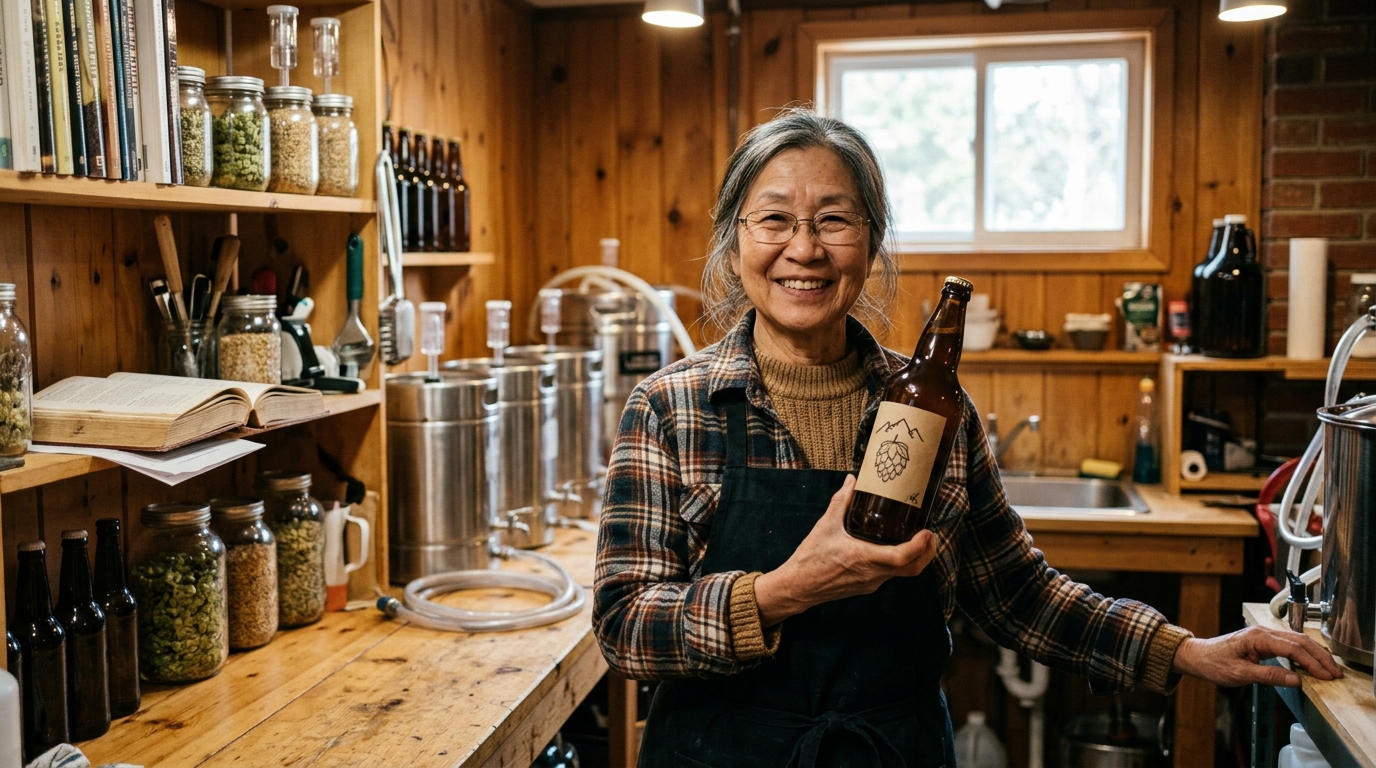
What Does Home-Based Craft Beverage Production Cost to Launch?
A functional home brewery setup ranges from $15,000 to $40,000 depending on scale and production goals. Most home-based craft beverage operations fall into two categories: hobby-scale (20-30 gallons per batch, selling at farmers markets and to friends) and commercial-scale (100+ gallons per batch, with retail distribution).
| Startup Component | Hobby Scale | Small Commercial | Commercial |
|---|---|---|---|
| Brewing/fermentation equipment | $3,000–$6,000 | $8,000–$15,000 | $15,000–$25,000 |
| Temperature and humidity control systems | $1,500–$3,000 | $3,000–$6,000 | $6,000–$10,000 |
| Bottling/canning equipment | $2,000–$4,000 | $4,000–$8,000 | $8,000–$15,000 |
| Licensing and permits (provincial, municipal) | $500–$1,500 | $2,000–$5,000 | $3,000–$8,000 |
| Insurance and bonding | $600–$1,200/year | $1,500–$3,000/year | $3,000–$6,000/year |
| Initial ingredients and supplies (3-6 months) | $1,000–$2,000 | $3,000–$6,000 | $6,000–$12,000 |
| Total first-year investment | $8,600–$17,700 | $21,500–$43,000 | $41,000–$76,000 |
According to the Brewers Association of Canada and Ontario's Small Business Development Centers, home-based craft beverage operations can reach profitability within 18-24 months if properly capitalized upfront. Under-capitalized breweries frequently fail not from lack of product demand, but from insufficient working capital during the initial growth phase.

Ontario's Regulatory Framework for Home Beverage Production
Ontario allows home-based craft beverage production under specific regulations. Understanding these is critical before investing:
Permitted beverages (home production legal):
- Beer (ale, lager, craft beer styles)
- Cider and perry (apple/pear fermented drinks)
- Mead (honey-based fermented beverages)
- Wine from fruits (not grapes)
- Kombucha and other non-alcoholic fermented drinks (no licensing needed)
Prohibited beverages (cannot legally home-produce):
- Spirits/distilled alcohol
- Commercial grape wine (federal licensing required)
Regulatory requirements for selling:
- Provincial liquor license (Ontario Alcohol and Gaming Commission)
- Municipal business license
- Health department food safety certification
- Property zoning compliance (home business designation)
- Insurance and product liability coverage ($2,000,000+ minimum)
According to AGCO (Alcohol and Gaming Commission of Ontario), home breweries can sell directly to consumers (farmers markets, online, brewery tours) and to licensed retail establishments (bars, restaurants, liquor stores) once licensed. The license requires your home/production facility to pass health and safety inspections.
Why Reverse Mortgage Funding Works Better Than Business Loans for Home Brewers
Traditional small business loans are difficult for home-based beverage operators to secure. Most require 2-3 years of business history, collateral beyond the home, and personal financial guarantees. Here's why reverse mortgages offer better terms:
| Funding Source | Qualification | Interest Rate | Monthly Payment | Timeline |
|---|---|---|---|---|
| Business bank loan | 2+ years history, strong credit, guarantees | 7.5–11% | Required immediately | 4-8 weeks |
| Traditional home equity line | Good credit, income verification | 7.5–9% | Required on draws | 2-4 weeks |
| Reverse mortgage (CHIP, HomeEquity Bank, Equitable Bank) | Age 55+, home equity 40%+ | 6–8% | Zero payment required | 3-4 weeks |
A reverse mortgage's zero-monthly-payment feature is crucial for startup businesses. Your beer sales might generate $2,000-$5,000 monthly in early phases, but you're reinvesting that into inventory and growth rather than servicing debt. With a reverse mortgage, you have 2-3 years to build cash flow before needing to repay anything.
Creating a Viable Craft Brewery Business Plan
Before securing reverse mortgage funding, develop a realistic business plan covering:
- Product differentiation: What makes your beverage unique? (Belgian-style ales, specialty hops, local ingredients, award-winning recipes?)
- Market research: Who are your target customers? (Farmers market shoppers, bars and restaurants, online direct-to-consumer, regional bottle shops?)
- Sales projections: Conservative estimate of monthly unit sales and revenue by year
- Production schedule: How many batches per month? What's your capacity?
- Pricing strategy: Wholesale vs retail pricing, competitive analysis
- Distribution channels: Direct sales, wholesale accounts, online shipping
- Marketing budget: How will you build brand awareness? ($500-$2,000 initially)
According to Ontario's Ministry of Agriculture, Food, and Rural Affairs, home-based beverage businesses that develop detailed business plans achieve 85% success rates, versus 45% for those without formal planning.
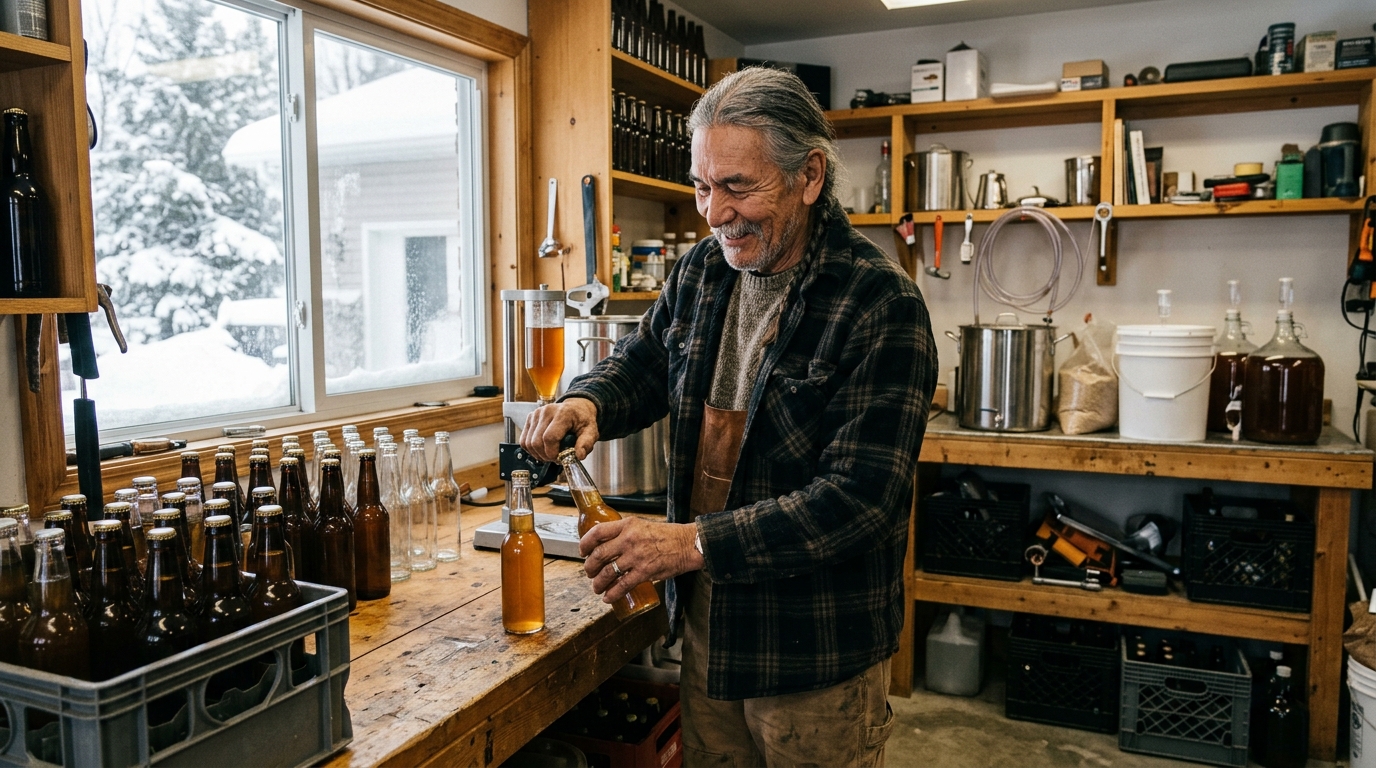
Structuring Your Reverse Mortgage for Ongoing Working Capital
A key advantage of reverse mortgage funding is flexibility in draws. Rather than accessing all capital at once, you can structure the advance to match your production phases:
- Months 1-2: Equipment purchase and installation ($15,000-$25,000)
- Months 3-6: Initial operating capital—ingredients, bottles, labels, licenses ($5,000-$10,000)
- Months 7-12: Contingency and marketing reserve ($3,000-$5,000)
Rick Sekhon Reverse Mortgages can help structure a line-of-credit approach through HomeEquity Bank or Equitable Bank, where you draw only what you need each month and interest accrues only on the amount outstanding. This is more cost-effective than a lump-sum draw if you can pace your spending carefully.
Managing Risk: Liability Insurance and Product Safety
Before your first bottle leaves your home, secure comprehensive product liability insurance. Most venues (farmers markets, restaurants, bars, online retailers) require proof of $2,000,000 minimum coverage.
Product liability insurance for craft beverages: $1,500-$3,000 annually through Cowan Insurance Group or similar brokers specializing in food/beverage production.
This is non-negotiable. One customer illness linked to your product could trigger lawsuits, recalls, and financial ruin. Reverse mortgage funding should include insurance costs.
The Tax Advantage: Business Expense Deductions
Here's a significant advantage: once your craft beverage business is operational, many expenses become tax-deductible business costs.
- Equipment depreciation
- Ingredient costs
- Bottles, caps, labels
- Insurance premiums
- Marketing and website costs
- Licensing and regulatory compliance
- Portion of home utilities (prorated for production space)
The interest paid on your reverse mortgage (if documented as business financing) may also be partially deductible. Consult with a Canadian tax accountant familiar with home-based food/beverage businesses to maximize deductions. Many retirees reduce their taxable income significantly through business expense deductions, offsetting the cost of reverse mortgage interest.
Distribution Channels and Market Strategy
Before using reverse mortgage funds, identify where and how you'll sell your beverages. This determines startup costs and ongoing inventory management:
Direct-to-Consumer Channels
- Farmers markets: $50-$100/booth rental per market day; high volume, direct customer feedback
- Online direct shipping: Website + shipping logistics; $2,000-$5,000 initial setup; lower volume but higher margins
- Brewery taproom/tasting room: Requires additional licensing and hospitality setup; best for established producers
Wholesale Channels
- Liquor stores: Requires distributor relationship; 30-40% margin to retailer; slow cash flow
- Bars and restaurants: Direct relationships with venues; lower volume per account but multiple accounts possible
- Retail distribution networks: Through regional distributors; significant volume but lower per-unit margin
Market strategy matters. If your plan relies on 50% wholesale distribution but you lack distributor relationships, you'll struggle. Reverse mortgage funding should align with a realistic sales strategy you can actually execute post-launch.
When to Scale Beyond Home-Based Production
Your reverse mortgage funds a home-based operation, but success creates a decision point: scale up or maintain lifestyle business?
Scaling typically requires:
- Moving to a commercial kitchen or microbrewery facility ($2,000-$5,000/month rent)
- Hiring staff ($30,000-$60,000 annually)
- Expanded equipment and production lines ($20,000-$50,000)
- Liability insurance increases ($3,000-$8,000 annually)
- Total scaling investment: $50,000-$100,000+
Lifestyle business option:
- Maintain home-based production
- Keep revenue modest ($3,000-$8,000 monthly)
- No employee overhead
- Maximum flexibility and minimal stress
Neither is wrong—clarify your goals before funding. If you're scaling into commercial production, a reverse mortgage is the startup fuel; if you're building a hobby business, home-based is sustainable long-term.
When to Exit or Scale: Planning Your Beverage Business Lifecycle
Not every home brewery needs to remain home-based forever. Many successful craft beverage entrepreneurs reach an inflection point at 2-3 years:
- Scale up: Move to a commercial kitchen or microbrewery facility (requires additional capital)
- Exit: Sell your brand, customer list, and recipes to a larger brewery
- Maintain: Keep the home-based operation as a lifestyle business generating $3,000-$8,000 monthly
Your reverse mortgage funds the launch. Success and profit generation determine your next chapter.
Key Takeaways
✓ Home craft beverage production costs $8,600-$76,000 depending on scale, with zero monthly payments required through reverse mortgage funding ✓ Ontario regulations permit home beer, cider, mead, and kombucha production under provincial licensing—verify zoning and health department compliance before investing ✓ Reverse mortgages offer 0% monthly payment burden, critical for startups that need 18-24 months to reach profitability ✓ Business planning dramatically improves success rates—develop a detailed plan before securing reverse mortgage funding ✓ Product liability insurance ($1,500-$3,000 annually) is non-negotiable and should be factored into reverse mortgage planning ✓ Business expense deductions can offset reverse mortgage interest costs, making the net cost of funding your business lower than it appears
Frequently Asked Questions
Do I need experience as a homebrewer before starting a commercial craft beverage business?
It's strongly recommended. Most successful commercial craft beverage operators have 5+ years of home production experience, allowing them to refine recipes, understand fermentation chemistry, and build customer preferences before investing in licensing and equipment. If you're new to brewing, consider 12-18 months of hobby production before committing to commercial licensing.
Can I produce multiple beverage types (beer, cider, mead) under one Ontario license?
Yes. A single provincial craft beverage license typically permits multiple fermented beverage styles as long as they meet AGCO and health department standards. Your business plan should clarify which beverage types you'll produce initially and how you'll expand.
What's the minimum revenue I should target to make craft beverage production worthwhile?
Most home operators aim for $2,000-$5,000 monthly revenue within 12 months of operation. This covers ingredient costs, licensing, insurance, and marketing, while leaving modest profit for reinvestment. Full-time income (equivalent to $50,000+ annually) typically requires 3-5 years of growth or scaling to a commercial facility.
Can I sell my craft beverages online across Canada, or just within Ontario?
Interprovincial alcohol sales are heavily regulated by each province. Ontario-produced craft beverages can ship within Ontario and to some provinces under specific arrangements, but not all. Consult with AGCO and a beverages law specialist before planning cross-province sales strategies.
What happens if my craft beverage business fails?
Your reverse mortgage obligation doesn't change. You borrowed funds against home equity; business success or failure doesn't affect your loan. However, a failed business means you've used home equity for an unsuccessful venture—another reason to invest heavily in business planning and market research upfront.
Can my adult child or spouse operate the brewery with me?
Yes. Your reverse mortgage funds can support a family business where multiple people are involved. Many home breweries operate as husband-wife or parent-adult child ventures. Clarify ownership structure and profit-sharing in a business partnership agreement.
Ready to Learn More?
Find out exactly how much you could unlock from your home — free and no obligation.
Related Articles
Reverse Mortgage to Start Home-Based Wellness Business in Retirement
Fund your retirement wellness business: yoga studio, meditation, coaching. Use reverse mortgage to launch from home with zero startup debt.
Read →Reverse Mortgage for DEI Consulting Practice: Launching Diversity, Equity, and Inclusion Consulting in Retirement
Start a diversity and inclusion consulting practice. Help corporations and nonprofits build equitable cultures; reverse mortgage funds training, business setup, and market entry.
Read →Reverse Mortgage for Residential Sustainability Auditing Practice: Certifying Aging in Place
Launch a professional home energy and sustainability auditing business. Help Ontario homeowners certify efficiency; reverse mortgage funds training, tools, and market entry.
Read →